The Tories introduced the 50% strike ballot threshold to make industrial action harder. MATT WRACK argues that a Labour government has no justification for leaving it on the statute book


 Latest editorial
‘A pounding, powerfully blown album with rich allusions to history and literature’
Chris Searle on JAZZ

In the wake of Ann Widdecombe’s murder, JOHN GREEN wonders whether the government will really get to grips with the root cause of these attacks on our MPs
The new PM’s opening addresses offered hope, council homes and reform — but little detail on how any of it will be delivered, warns CLAUDIA WEBBE
Despite the screeching from the right-wing media, Burnham’s speech chimed with the public mood - and socialists should take advantage, says Morning Star editor BEN CHACKO
Scotland's Labour leader cannot continue to evade responsibility for the party's decline, argues LAUREN HARPER
Nature as well as society works dialectically, asserts the Marx Memorial Library and Workers’ School


Sons of Kemet
Lest We Forget What We Came Here to Do (Naim CD 217)
AT 10am on January 15 2013, a 16-year-old Palestinian boy, Samir Awad, was shot dead by soldiers of the Israel Defence Forces near the village of Budrus in the West Bank, close to the separation wall that runs through his family’s land.
“They shot him in cold blood!” exclaimed one of his neighbours, “they shot him in the back. It was an assassination!” The wall had taken five acres of his family’s patrimony, 3,000 of their olive trees.
It is nearly nine minutes of the elegy In Memory of Samir Awad that opens the new album of the London quartet Sons of Kemet, composed of saxophonist Shabaka Hutchings, two drummers — Seb Rochford and Tom Skinner — and tuba player Theon Cross. Lest We Forget What We Came Here to Do is the album’s enigmatic title, with a tailpiece sentence that these sons of Kemet — the traditional name for ancient Egypt — are “children of immigrants wandering through a post-colonial balalas,” the final word coming from the Zulu term “babalazi” meaning “hangover.”
It is a pounding, powerfully blown album rich in allusions to history, literature and now-times and carrying solidarity with the lives and cultures of people from Africa, the Caribbean, the Arab world, the United States and its seething cosmopolitan birthplace, London, and its music with two black horns and two white drummers.
There is distant, agitated conversation before the drums begin to thud on Samir Awad and Hutchings’s horn, part mournful, part streaming resistance, soars out of the London studio to Palestine, going where jazz should go, into the lives of struggling people. When Cross joins him on the final choruses, it is as if the world has joined him too in a sonic intifada of the spirit as the drummers pulse onwards.
Hutchings is a Londoner who spent much of his boyhood in Barbados. He began studying clarinet at the age of nine, and it is the young protagonist of George Lamming’s epochal anti-colonial Barbadian novel of 1953, In the Castle of My Skin, who describes the endlessly falling rain on his ninth birthday in the first, hugely compelling chapter of the novel. The album’s second track has the same title, and as the sticks clatter like hard rain on the rims of the drums, the tuba’s beating heart embodies the endless darkness of the sky, Hutchings’s saxophone makes melody from cloudburst and you remember Lamming’s words: “Nothing mattered but the showers of blessing and the eternal will of the water’s source” as the meanings of words and the power of sounds unify in a solidarity of Caribbean generations.
Hutchings’s young musical life already includes an invitation to join Marshall Allen’s Sun Ra memorial arkestra, stints with Courtney Pine and the Ethio-jazz orchestra of Mulatu Astatke, a partnership with alto saxophonist Soweto Kinch and a famous London concert as part of Charlie Haden’s Liberation Music Orchestra. It is as if an amalgam of sounds from these sources blows through his horns. In Tiger, his bass clarinet sounds as if it were blowing from the midst of city traffic before Cross pumps a solo too and the twosome create an arresting urban colloquy.
The drums are menacing in Mo’ Wiser and Hutchings’s horn sounds anxious, whereas in the ambling Breadfruit the sound is full of optimism, food and fullness. The primacy of the drums, the gurgling tuba’s bass pulse and Hutchings’s powerful melodism create concord out of contradiction.
The last three tracks bring coalescence to Africa and the Americas. The Long Night of Octavia E Butler invokes the wayward genius of one of the US’s great black novelists with its fierce, uncanny beat and rampant acceleration, Play Mass expresses the soul of Trinidad’s popular dynamism and Afrofuturism knows of the power that Africa will bring. Yet sounding over all is the brave spirit of a Palestinian boy, asserting his people’s right to their land and future, kept afire by these four troubadouring sons of the world.

Similar stories
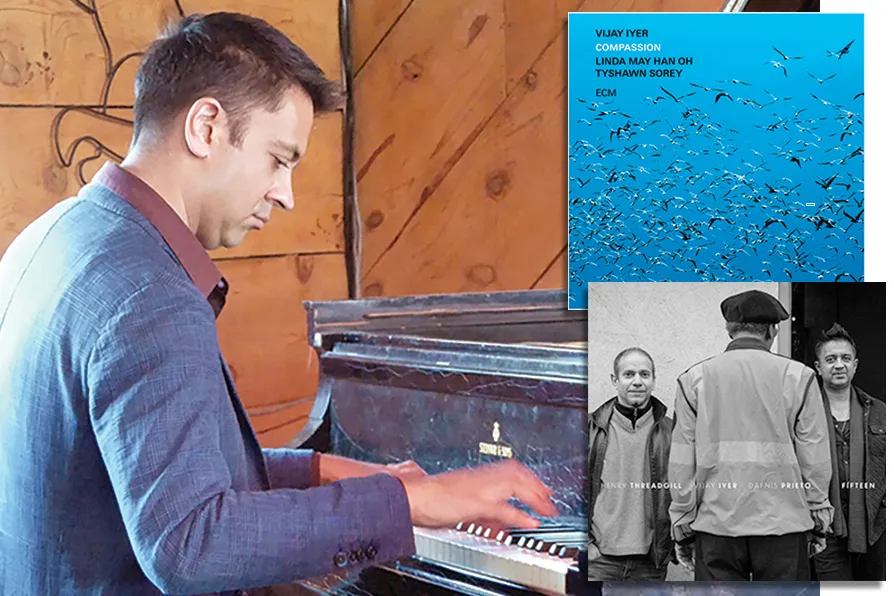
CHRIS SEARLE urges you to listen to two new albums by the US Indian pianist VIJAY IYER
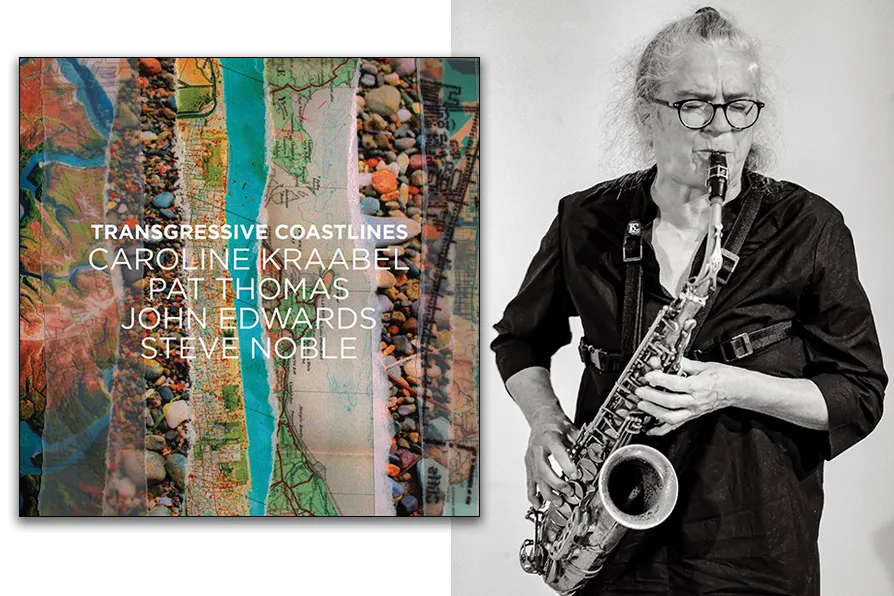
CHRIS SEARLE speaks to US saxophonist CAROLINE KRAABEL
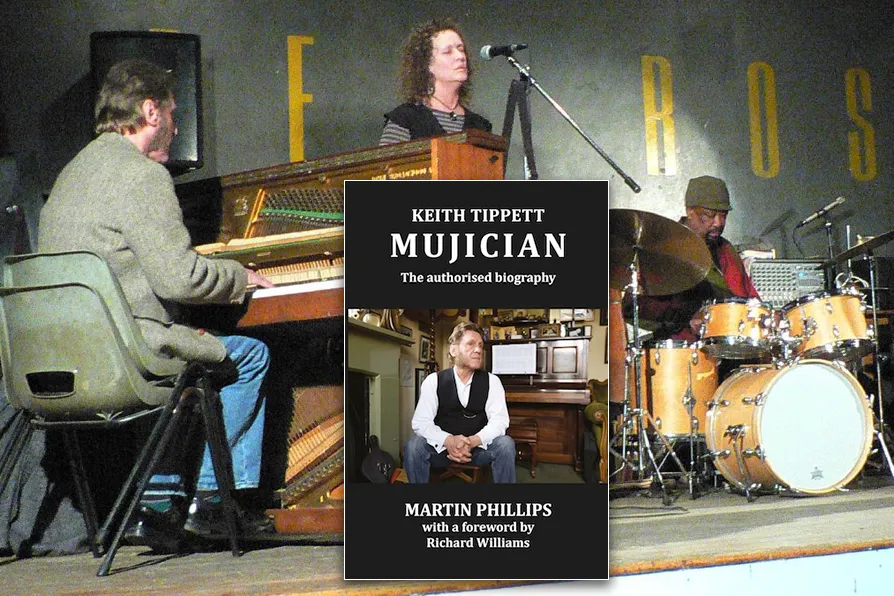
CHRIS SEARLE recommends a work of love and deep admiration for a great musician
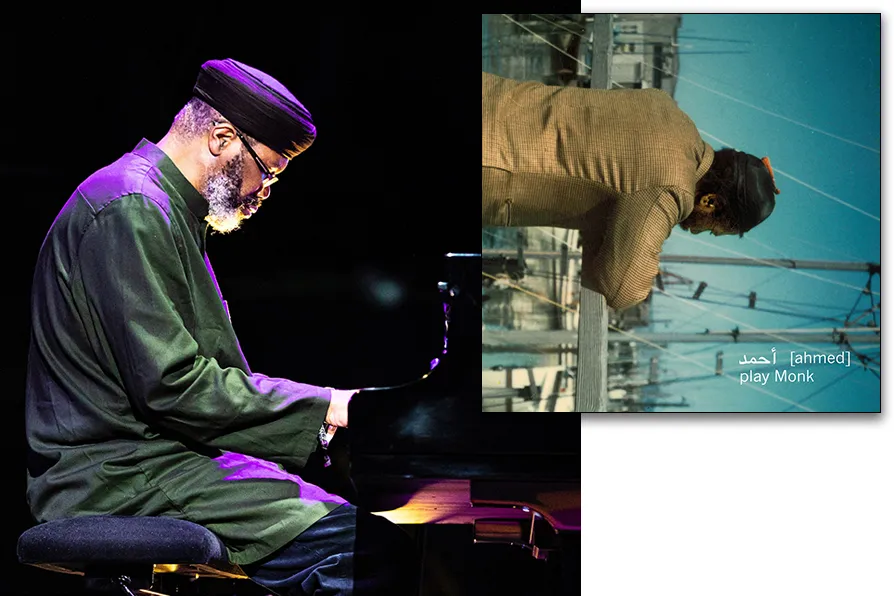
CHRIS SEARLE recommends a new album featuring Pat Thomas and Ahmed, and marvels at the tempestuous power of a live performance