

 Latest editorial
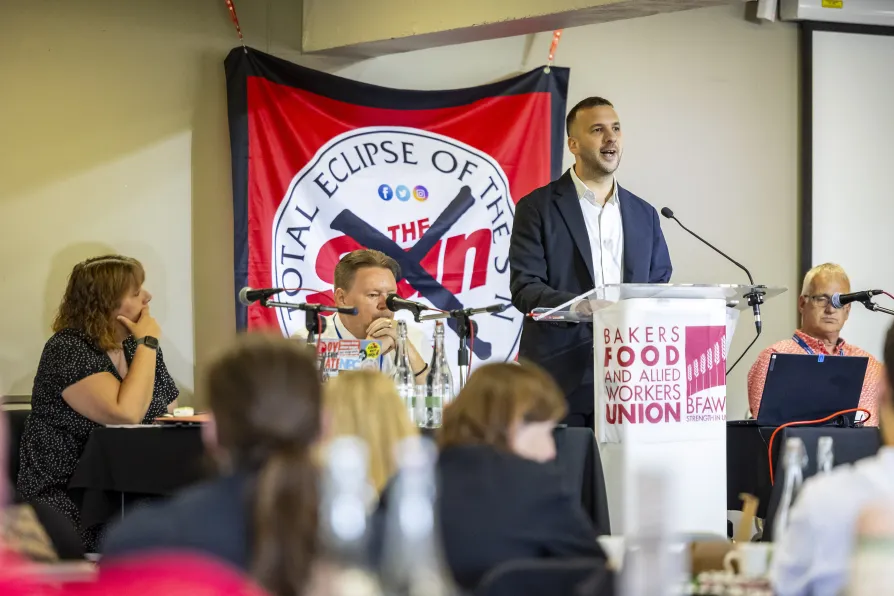


LABOUR leader expert Keith Ewing warned trade unionists yesterday that they face “the biggest crisis” in a lifetime.
The Campaign for Trade Union Freedom president told Aslef delegates in Southend of the “shocking decline” in collective bargaining with just 20 per cent covered by an agreement, compared with 82 per cent in the 1970s.
He said: “In 1978 I was one of 13 million trade unionists and I am now one of only six million. Our collective bargaining structures are collapsing. Our political voice will be muted as the Labour Party engages in civil war.”


Four decades on, the Wapping dispute stands as both a heroic act of resistance and a decisive moment in the long campaign to break trade union power. Lord JOHN HENDY KC looks back on the events of 1986
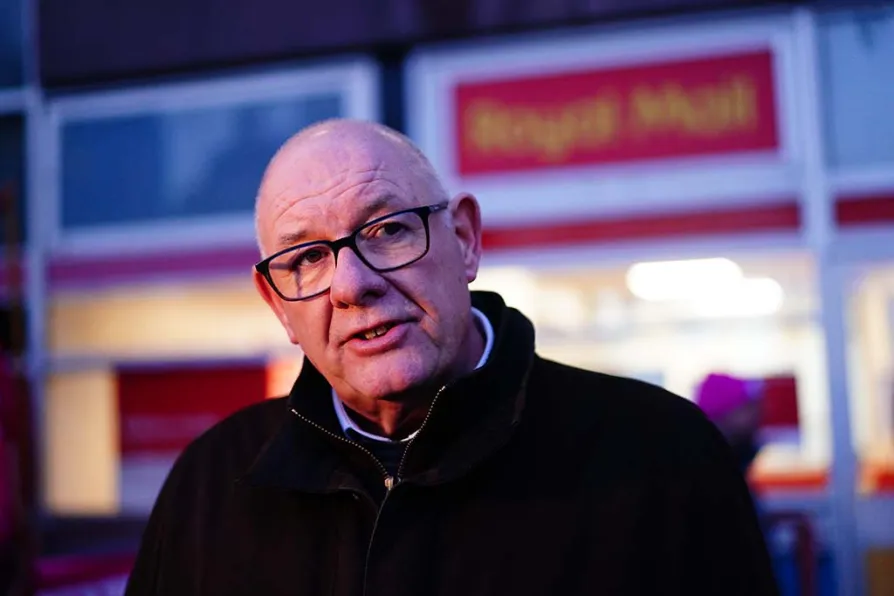
CWU leader DAVE WARD tells Ben Chacko a strategy to unite workers on class lines is needed – and sectoral collective bargaining must be at its heart
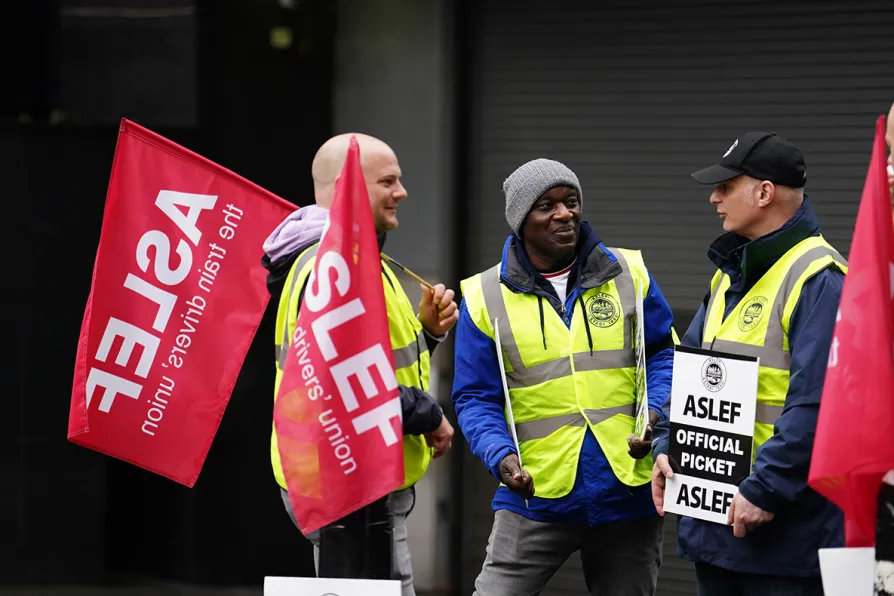
On the eve of the 157th Trades Union Congress, MICK WHELAN, general secretary of Aslef, the train drivers’ union, celebrates victory in his campaign to get dignity for drivers at work

It is only trade union power at work that will materially improve the lot of working people as a class but without sector-wide collective bargaining and a right to take sympathetic strike action, we are hamstrung in the fight to tilt back the balance of power, argues ADRIAN WEIR