All the evidence shows voters want Labour to shift to the left — but initial signs from Andy Burnham are worrying on that front, cautions DIANE ABBOTT


 Latest editorial
Left resistance of the Danes
MARTIN FINK examines the underground war against the German occupation
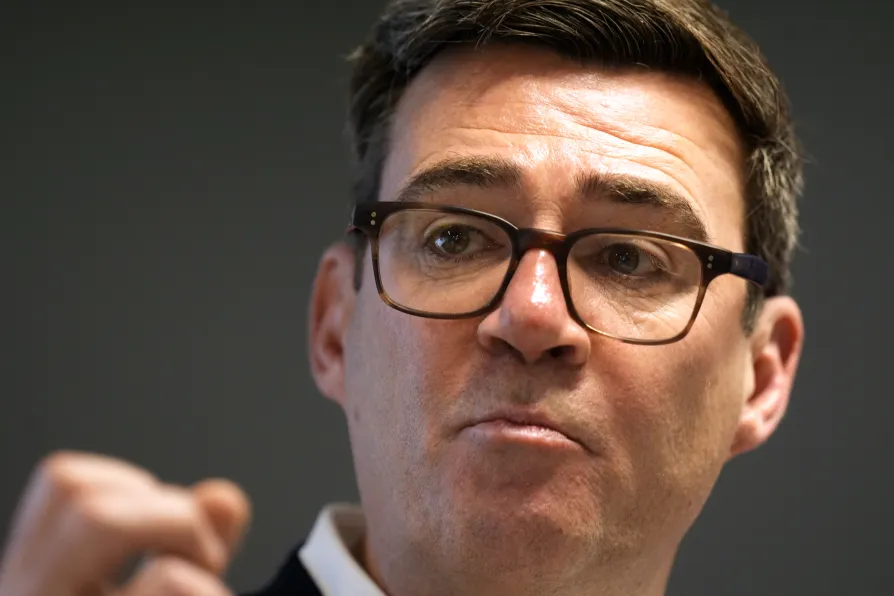
ANDY McDONALD MP says Labour must show it is capable of delivering real improvements in people’s lives — bold action is required
ANGUS REID and ANDREW JOHNSTONE report on an initiative that we must take this summer
ALLISON FEWTRELL on what Plaid Cymru's historic election victory means for the communities being failed by Wales’s housing crisis, and four things the new government can do right now
France Insoumise MP JEROME LEGAVRE speaks to Christophe Domec on building the Europe-wide peace movement that came together in the International Conference Against War last weekend
At last weekend’s International Conference Against War, LINDA PENTZ GUNTER talks to the Palestinian physician and politician about the struggles ahead to achieve a truly free Palestine


WHEN Nazi troops invaded Denmark on April 9 1940, the Danish communists found themselves in a peculiar situation.
Despite the extreme anti-communism of the Nazi regime, Germany had signed a non-aggression pact with the Soviet Union and in addition the Danish government had willingly accepted the occupation and co-operated actively with Germany. Because of this the Nazis took no immediate action against the Danish Communist Party (DKP).
In the DKP it was understood that the party would sooner or later be forced underground. They worked legally for as long as possible, including in the parliament, the Rigsdagen, but after the German assault on the Soviet Union on June 22 1941, illegality was an inevitability.

Similar stories
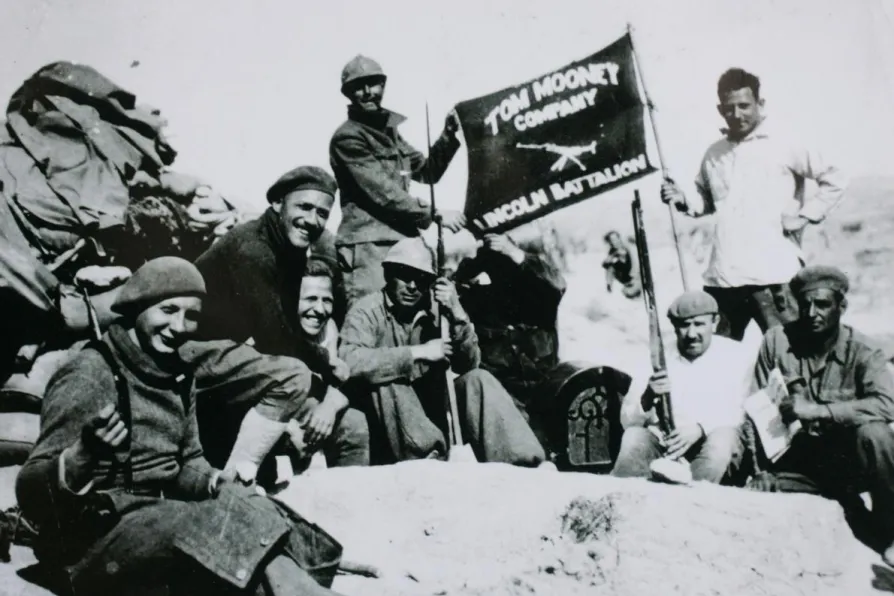
CJ ATKINS commemorates one of the most dramatic moments in working-class history
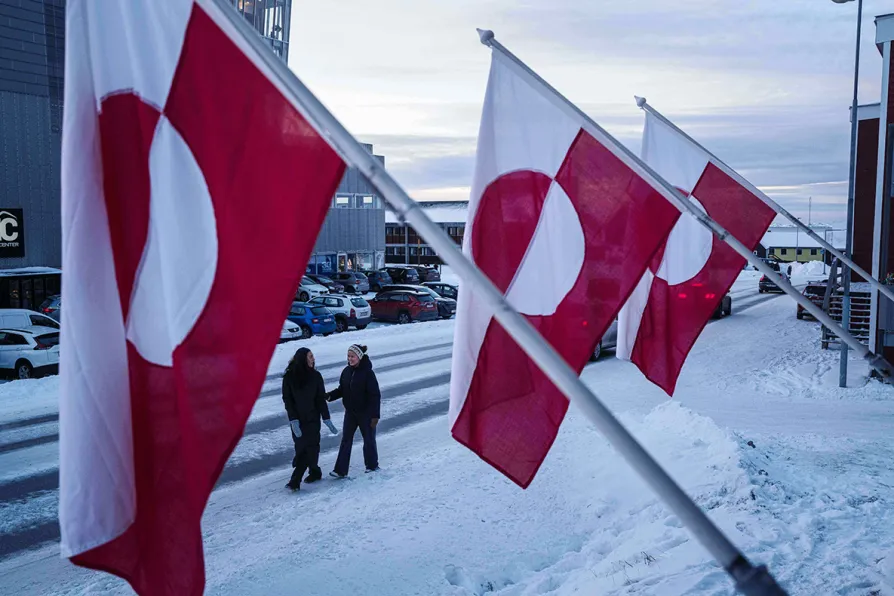
Despite opposition from Greenland’s people and Denmark, Washington intends to control the Arctic territory one way or another. Strategic dominance, mineral wealth and military power are the driving forces at play, writes ROGER McKENZIE
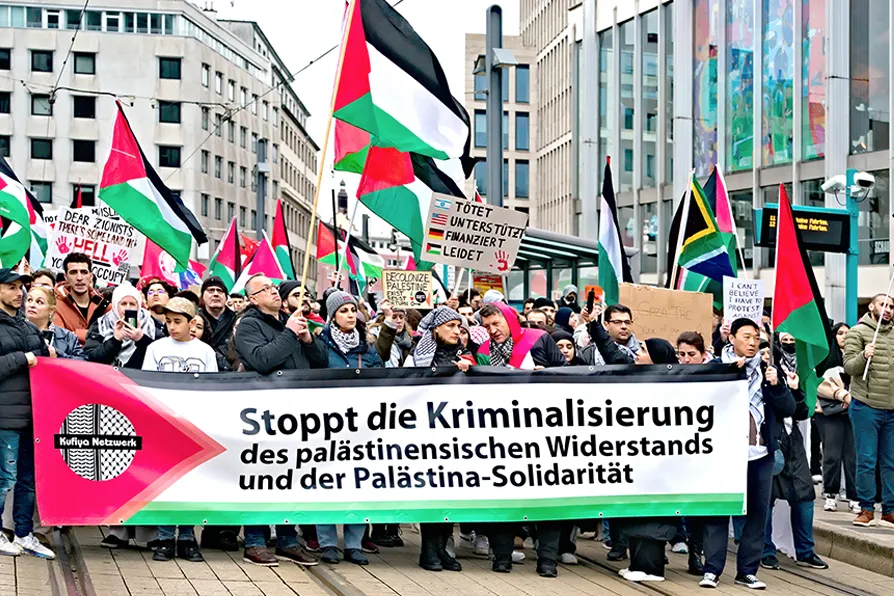
After NGOs and the EU, UN condemns Germany’s crackdown on Palestine Solidarity, writes LEON WYSTRYCHOWSKI
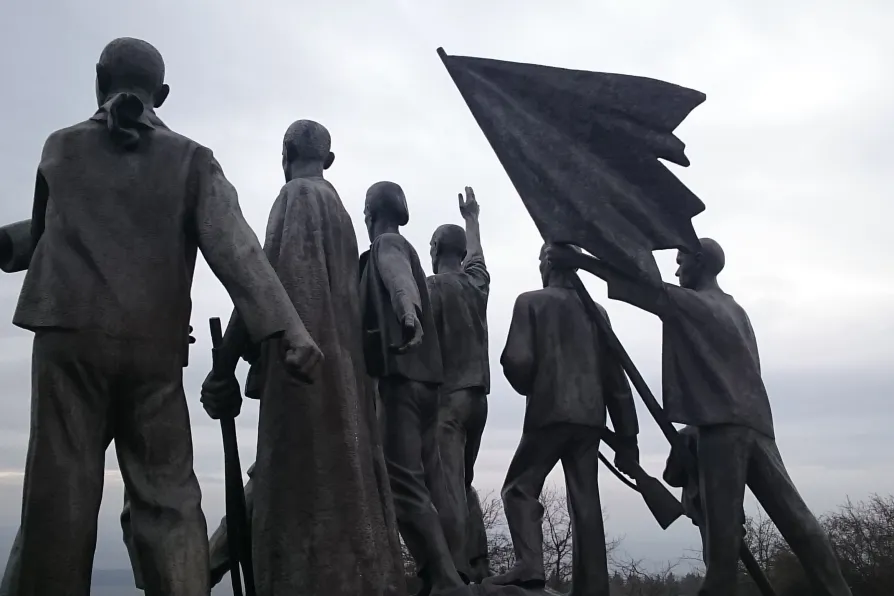
The decision highlights the tension between freedom of expression and the state’s role in shaping historical memory at former concentration camps, reports LEON WYSTRYCHOWSKI