

 Latest editorial

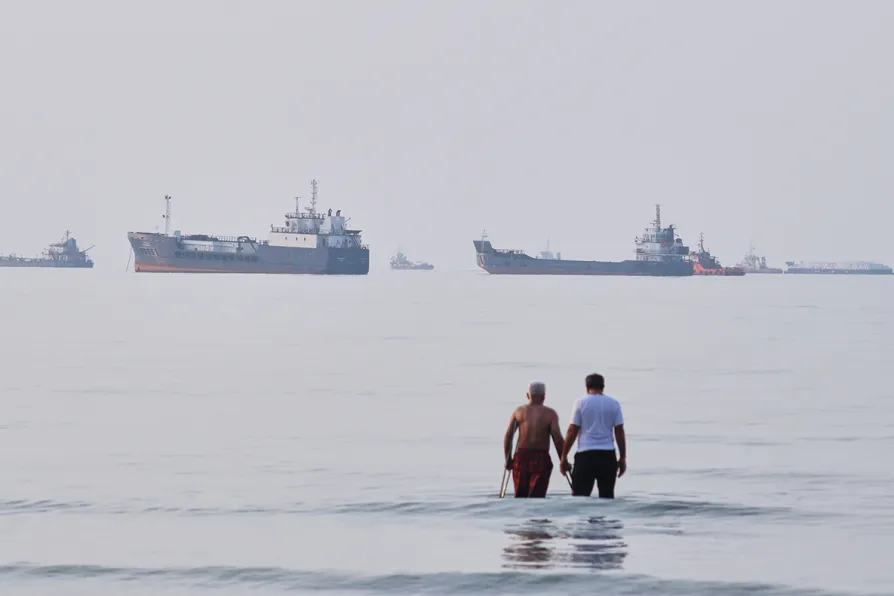


CHINA called for openness about war crimes committed during World War II yesterday, after Unesco declared several former Japanese slave labour factories as world heritage sites.
The 23 historic sites, which were part of Japan’s transformation from a feudal society to an industrialised imperial power, are controversial for their use of Chinese and Korean civilians and allied prisoners as forced labour during the war.
Some of those who endured starvation, abuse by their captors and bombardment are still seeking compensation, or at least an apology.

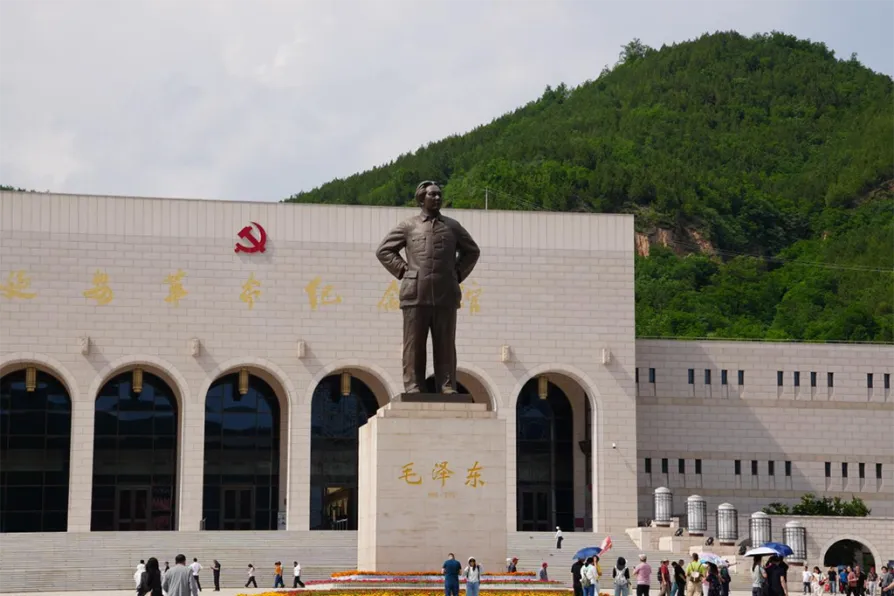
The world’s largest communist party marked its 105th birthday this week — and remains true to its principles and firm in its course, says OLIVER VARGAS
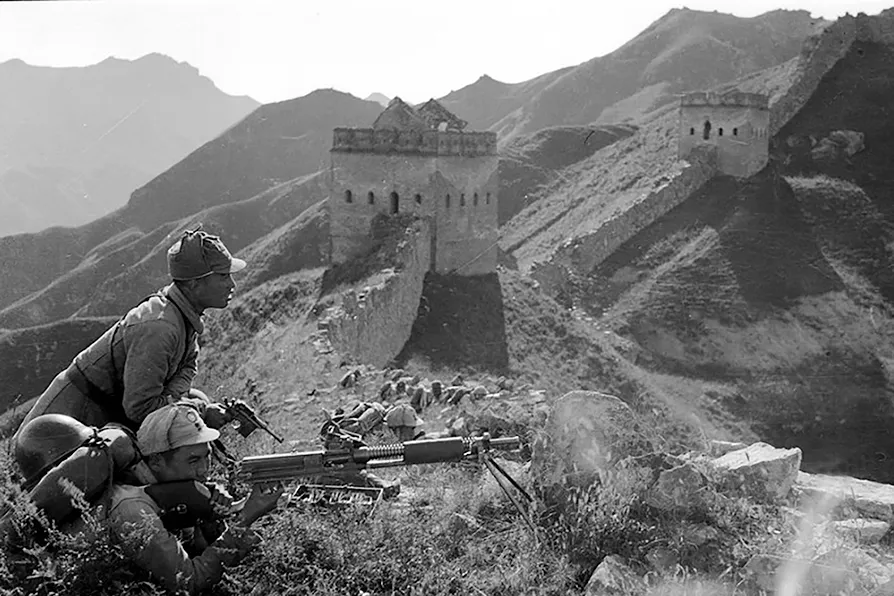
In Part 4 of her look at the Chinese revolution JENNY CLEGG addresses the relationship between the Peasant Movement and the National Movement
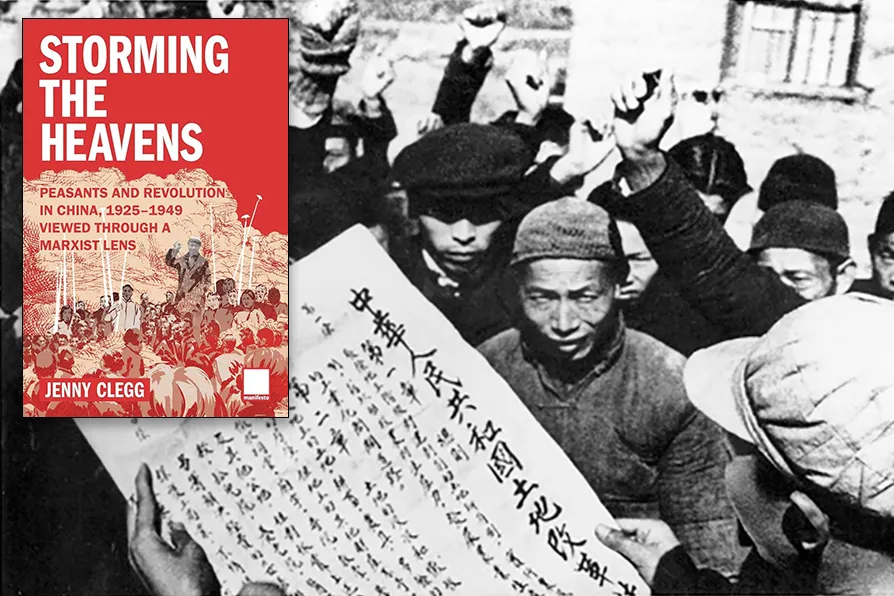
BEN CHACKO welcomes a masterful analysis that puts class struggle back at the heart of our understanding of China’s revolution
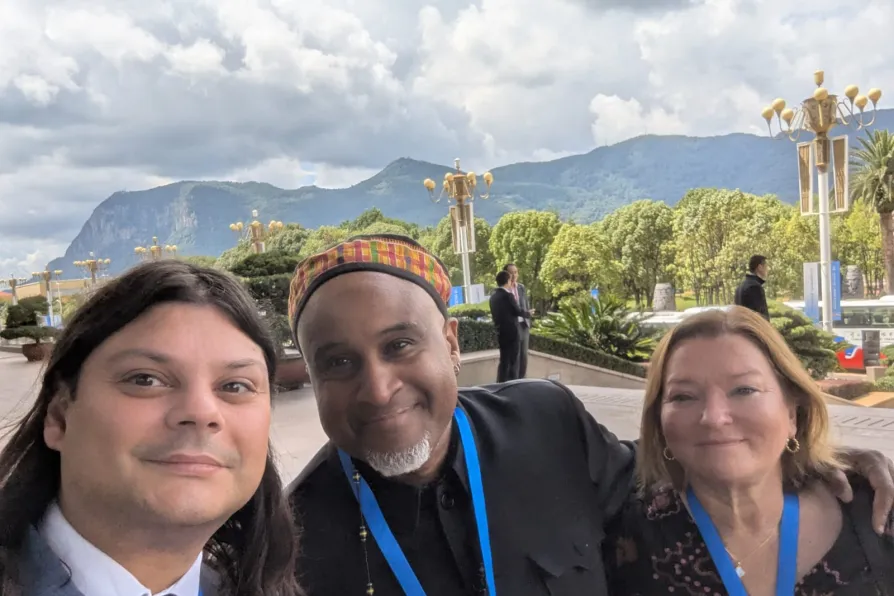
ROGER McKENZIE argues that the BRI represents a choice between treating humans as commodities or as equals — an essential project when, aside from China’s efforts, hundreds of millions worldwide are trapped in poverty