

 Latest editorial



SOUTH African Communist Party (SACP) leader Solly Mapaila has launched his harshest attack yet on ANC President Jacob Zuma, branding him a “minion” of the tycoon Gupta family.
Speaking on Tuesday night at a memorial lecture for late general secretary Chris Hani, assassinated in 1993, Mr Mapaila called for the resignation of South Africa’s president for “giving away national independence” to the wealthy Indian family.
The Guptas, who are close friends of Mr Zuma, have been implicated in widespread state capture, a scandal that has led to mass protests demanding the president to step down.

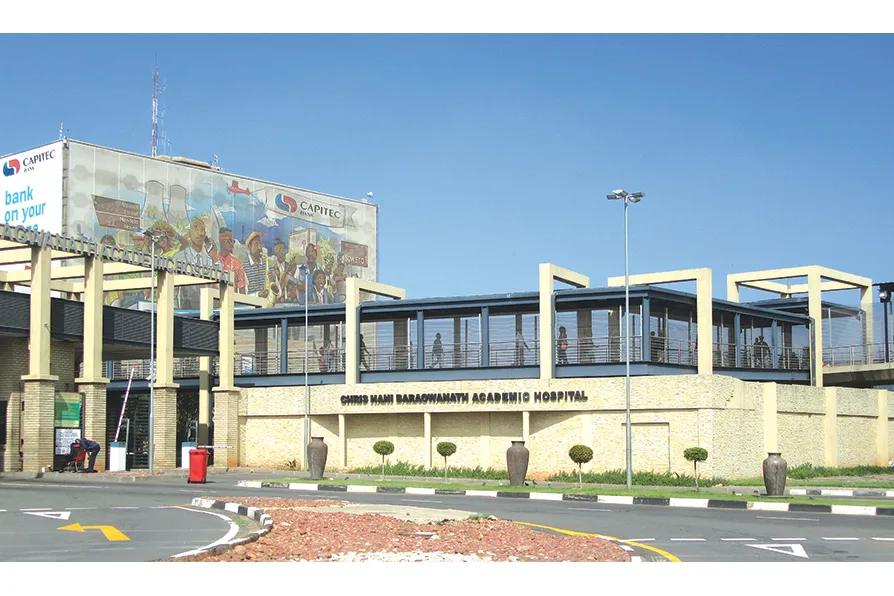
ROGER MCKENZIE recalls the one-in-a-generation communist leader murdered at the dawn of a new South Africa 33 years ago last April 10
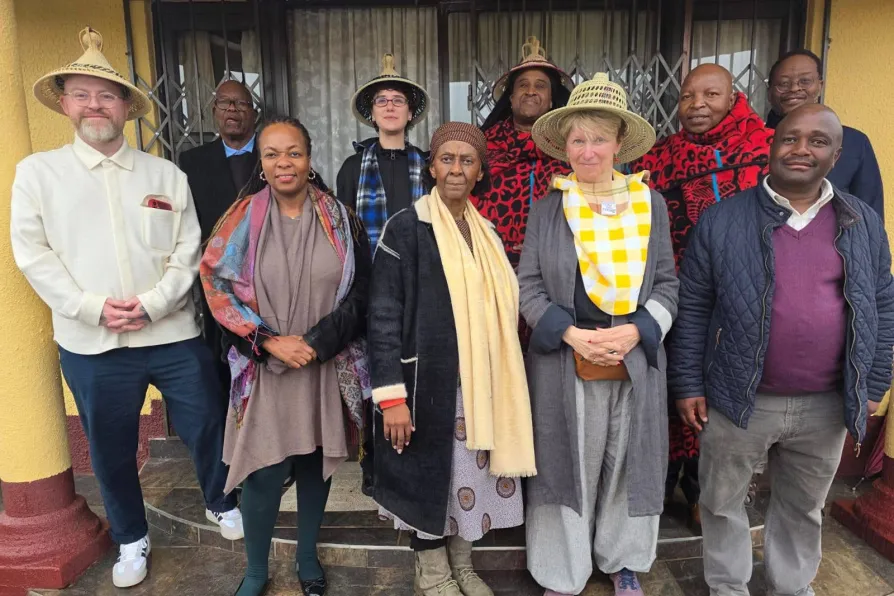
ROGER McKENZIE looks at how ancient traditions practiced today can be the cornerstone of anti-imperialism in Africa
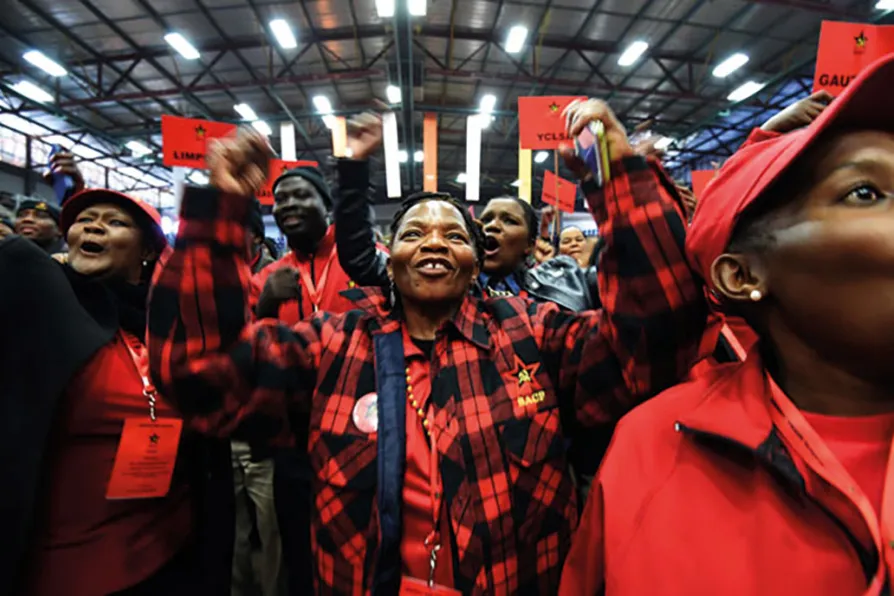
The shared path of the South African Communist Party and the ANC to the ballot box has found itself at a junction. SABINA PRICE reports
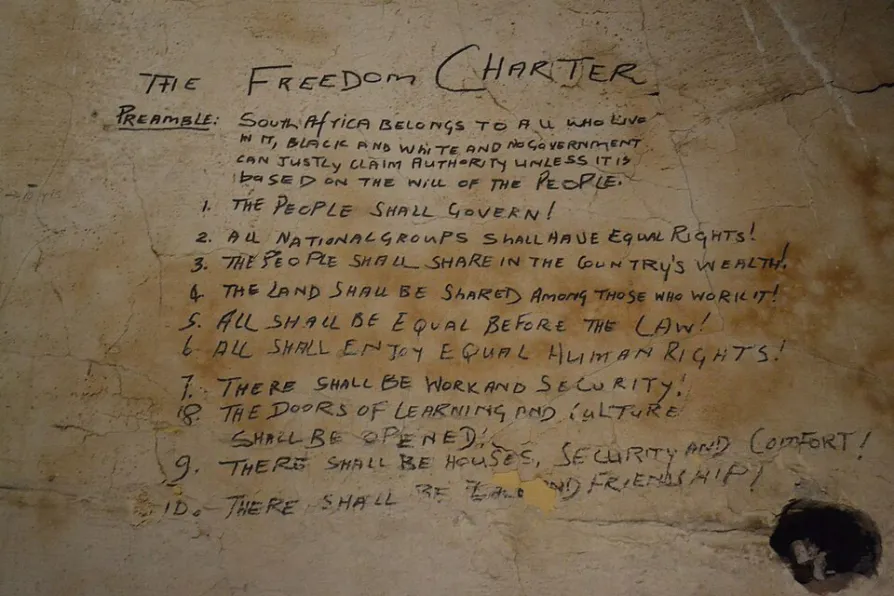
The charter emerged from a profoundly democratic process where people across South Africa answered ‘What kind of country do we want?’ — but imperial backlash and neoliberal compromise deferred its deepest transformations, argues RONNIE KASRILS