The Tories introduced the 50% strike ballot threshold to make industrial action harder. MATT WRACK argues that a Labour government has no justification for leaving it on the statute book


 Latest editorial
Whose death is it anyway?
In a capitalist society euthanasia is not just a personal choice, says BEN PARANKULANGARA

In the wake of Ann Widdecombe’s murder, JOHN GREEN wonders whether the government will really get to grips with the root cause of these attacks on our MPs
The new PM’s opening addresses offered hope, council homes and reform — but little detail on how any of it will be delivered, warns CLAUDIA WEBBE
Despite the screeching from the right-wing media, Burnham’s speech chimed with the public mood - and socialists should take advantage, says Morning Star editor BEN CHACKO
Scotland's Labour leader cannot continue to evade responsibility for the party's decline, argues LAUREN HARPER
Nature as well as society works dialectically, asserts the Marx Memorial Library and Workers’ School


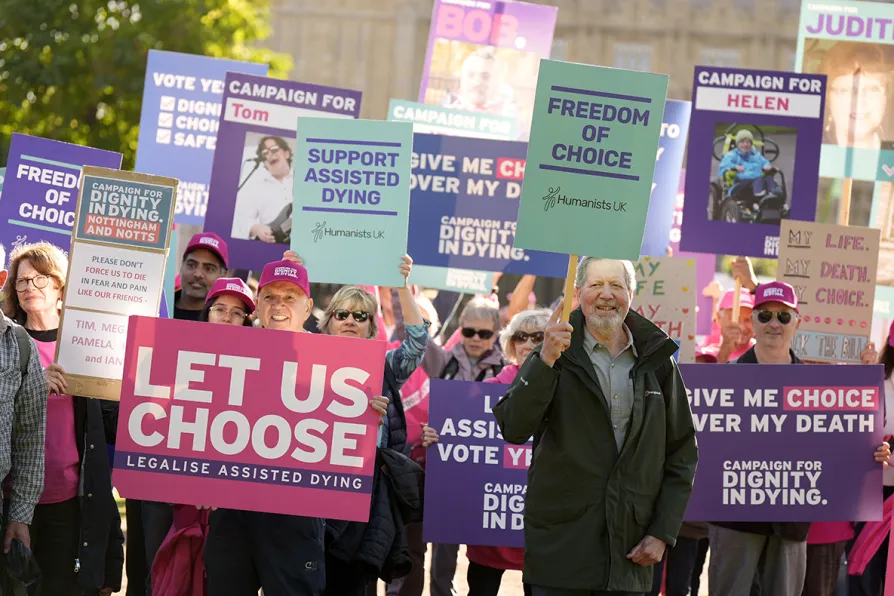
MOMENTUM for legalising “assisted dying” — the now preferred term for euthanasia — is gathering apace. Much of the debate has been framed in terms of “conservative” opposition and “progressive” support, leading to an assumption on parts of the left that we should be in favour of altering the law.
It is argued that doctors’ traditional adherence to the Hippocratic oath, which forbids them from taking actions aimed at harming rather than healing the patient, is outweighed by developments in medicine that allow human lives to be prolonged far beyond what our ancestors could have expected and for people to be kept artificially alive in conditions that may be painful, humiliating and without hope of recovery.
Certainly it would not be without precedent to change the oath. Few modern medics swear by Apollo. More significantly the original oath forbids doctors from conducting abortions, a clause now widely disregarded.

Similar stories

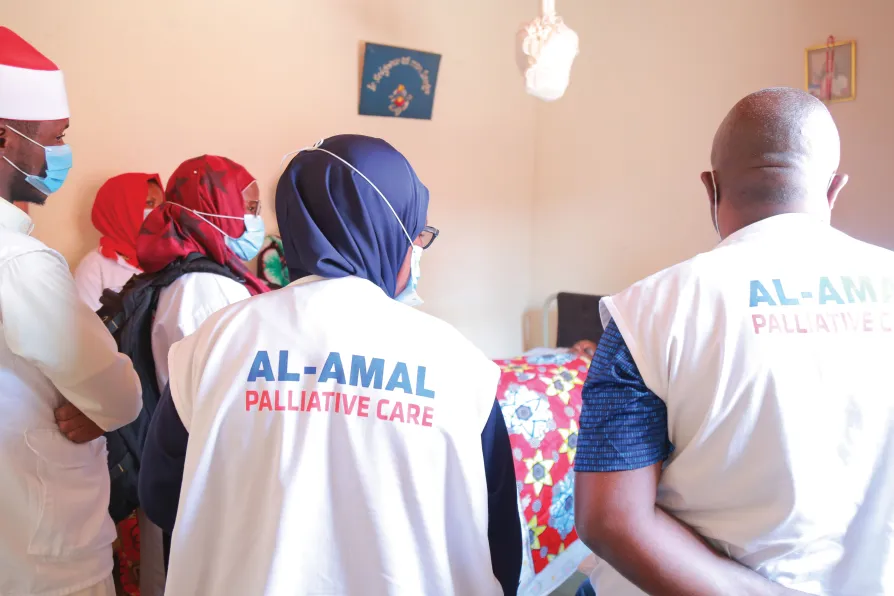
With more people dying each year and many spending their final days in institutions, researchers argue that wider access to palliative care could offer a more humane and cost-effective alternative, write ROX MIDDLETON, LIAM SHAW and MIRIAM GAUNTLETT
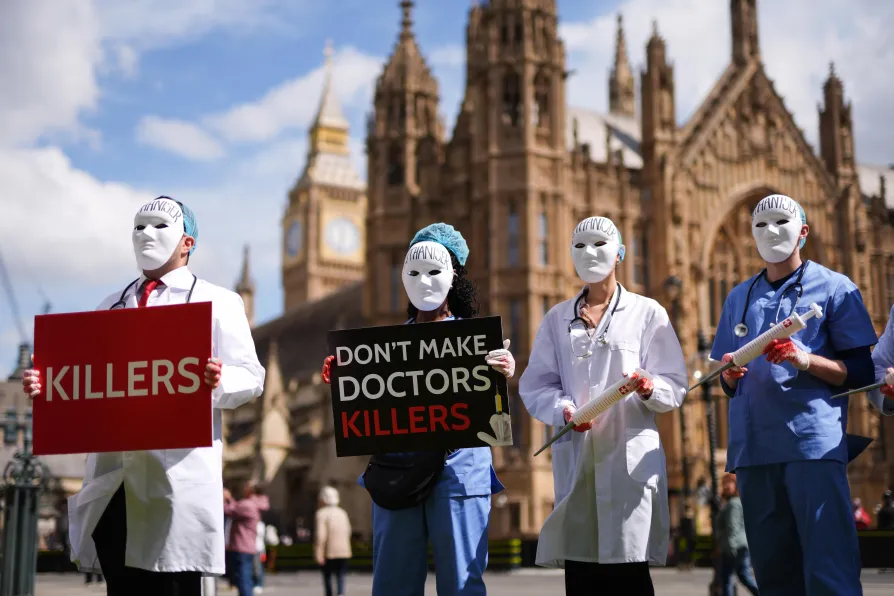
Evidence to peers from medical leaders, patient safety officials and the children’s commissioner has intensified fears that the Bill’s safeguards are inadequate, writes ADAM JAMES POLLOCK