

 Latest editorial
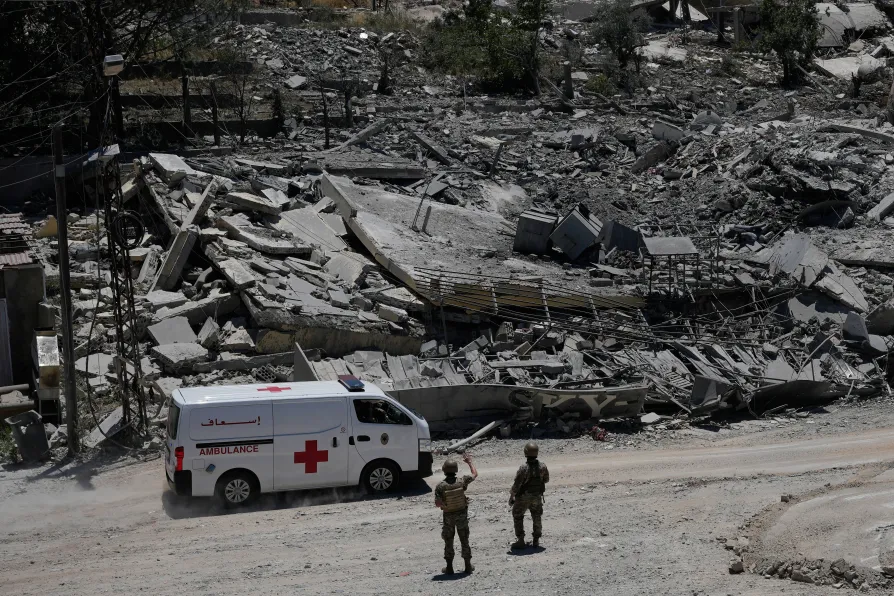


SOUTH AFRICAN Police Minister Fikile Mbalula made a stinging attack on critics of President Jacob Zuma on Sunday.
In an executive statement on “organisation review” to the ruling ANC’s policy conference in Johannesburg he laid into “wedge-drivers” within the movement who are calling for Mr Zuma to quit over a series of corruption allegations and a failure to make the economy deliver for workers.
In a clear jab at the 101 Veterans group, which, together with the South African Communist Party (SACP) and trade union federation Cosatu, has demanded the president quit, he said: “We must resist those intent to rule from the political graveyards or rule forever … in retirement.”

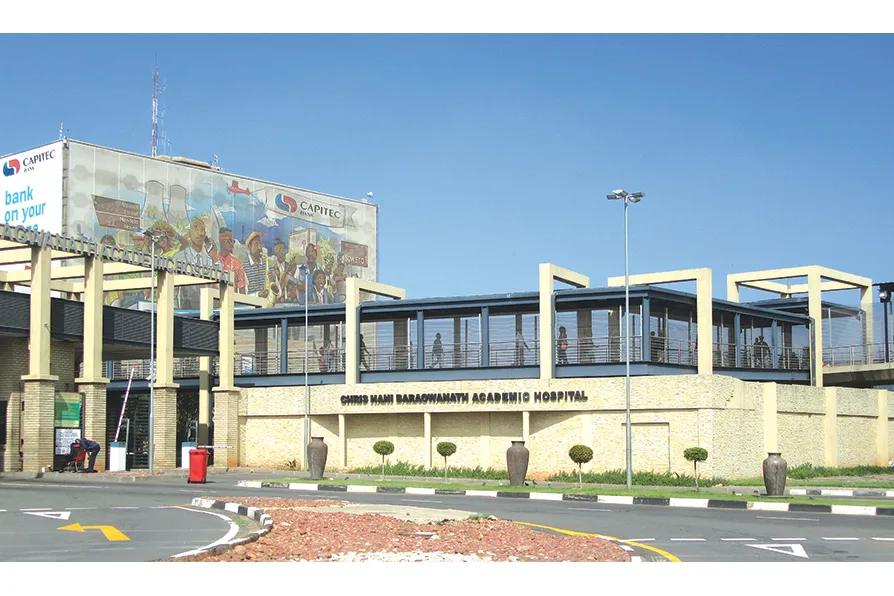
ROGER MCKENZIE recalls the one-in-a-generation communist leader murdered at the dawn of a new South Africa 33 years ago last April 10
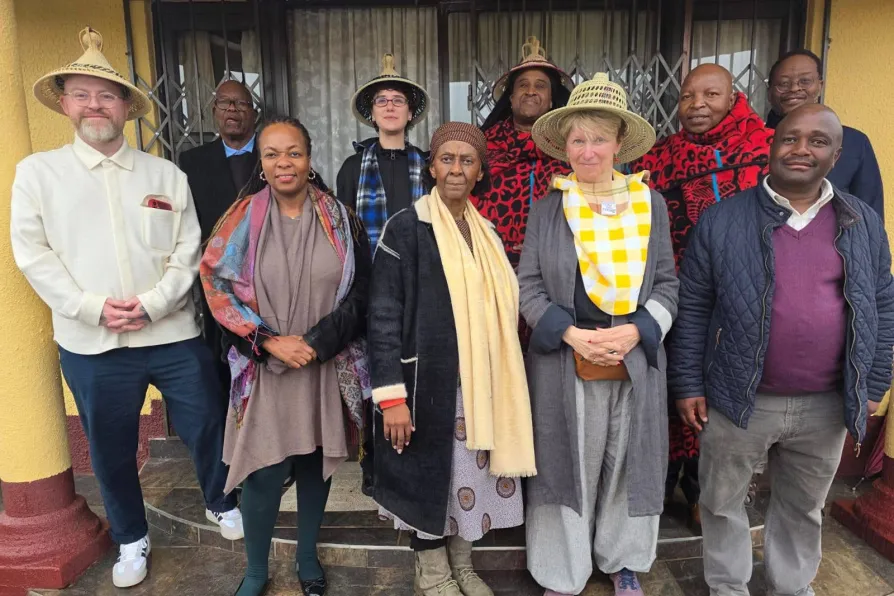
ROGER McKENZIE looks at how ancient traditions practiced today can be the cornerstone of anti-imperialism in Africa
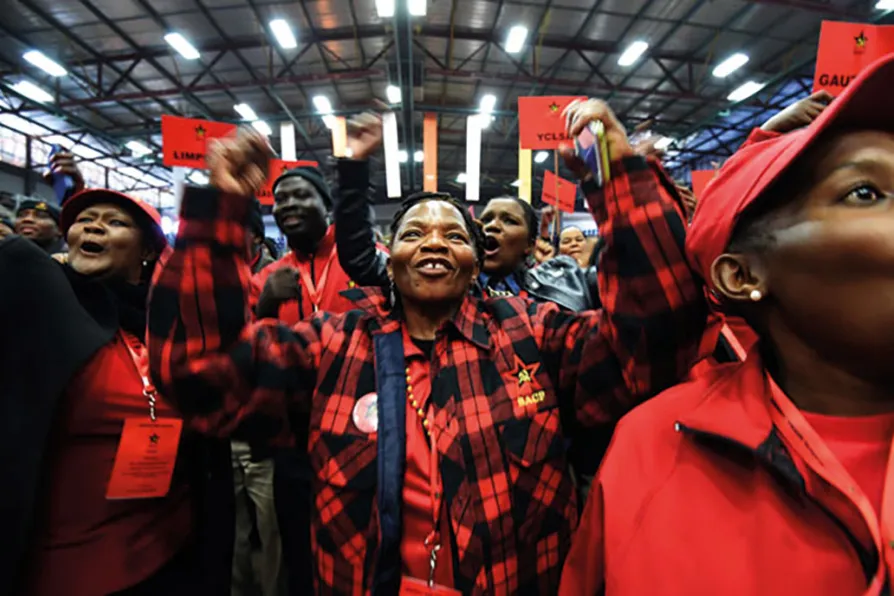
The shared path of the South African Communist Party and the ANC to the ballot box has found itself at a junction. SABINA PRICE reports
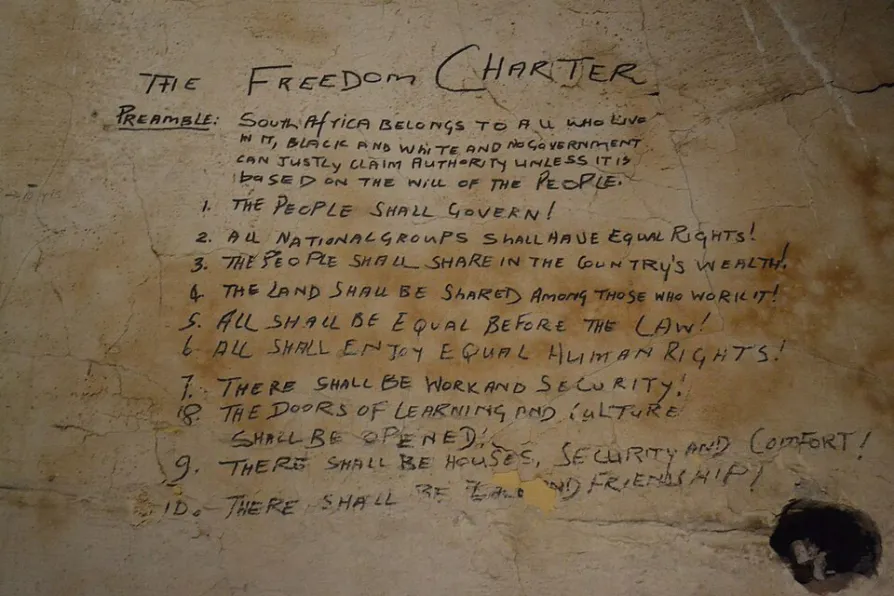
The charter emerged from a profoundly democratic process where people across South Africa answered ‘What kind of country do we want?’ — but imperial backlash and neoliberal compromise deferred its deepest transformations, argues RONNIE KASRILS