

 Latest editorial
![A recue carried out in the Mediterranean Sea by SOS Mediterranean [Pic: Marcel Beloqui Evardone / SOS Humanity]](https://morningstaronline.co.uk/sites/default/files/styles/desktop/public/2026-06/20251124_Rescue_01_Marcel_Beloqui_Evardone_LQ-21.jpg.webp?itok=iwkIhCAa)


THE Communist Party of Swaziland (CPS) has rejected a Commonwealth plan for democratisation that it says would keep the tyrannical monarchy.
The Commonwealth plan envisions a “collective roadmap,” including a national convention for a new democratic constitution.
It also calls for repealing the 1973 state of emergency decree, allowing the formation of political parties and freeing political prisoners.

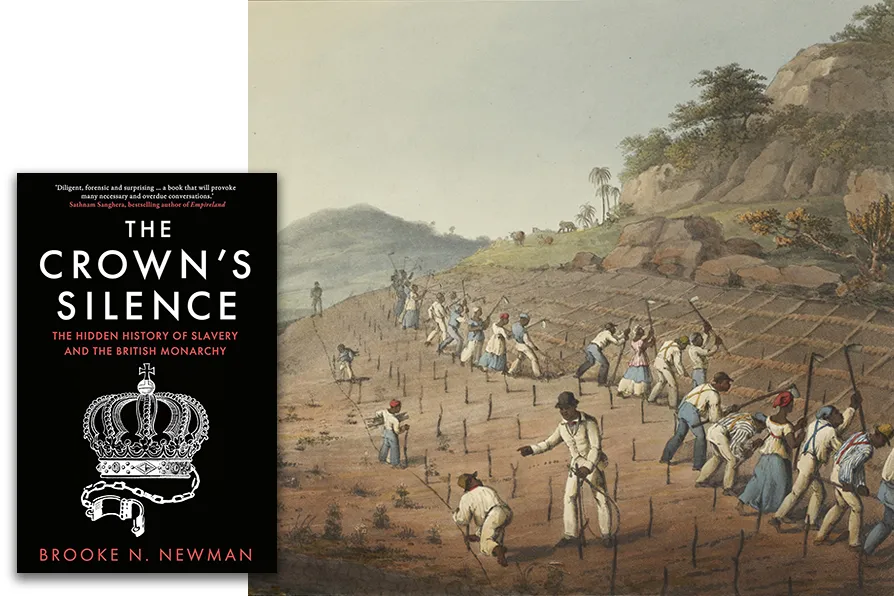
ELLIS RAE recommends a stunning history of the active role played by the British monarchy in establishing and profiting from slavery

In the run-up to the Communist Party congress in November ROB GRIFFITHS outlines a few ideas regarding its participation in the elections of May 2026

In an address to the Communist Party’s executive at the weekend international secretary KEVAN NELSON explained why the communists’ watchwords must be Jobs not Bombs and Welfare not Warfare
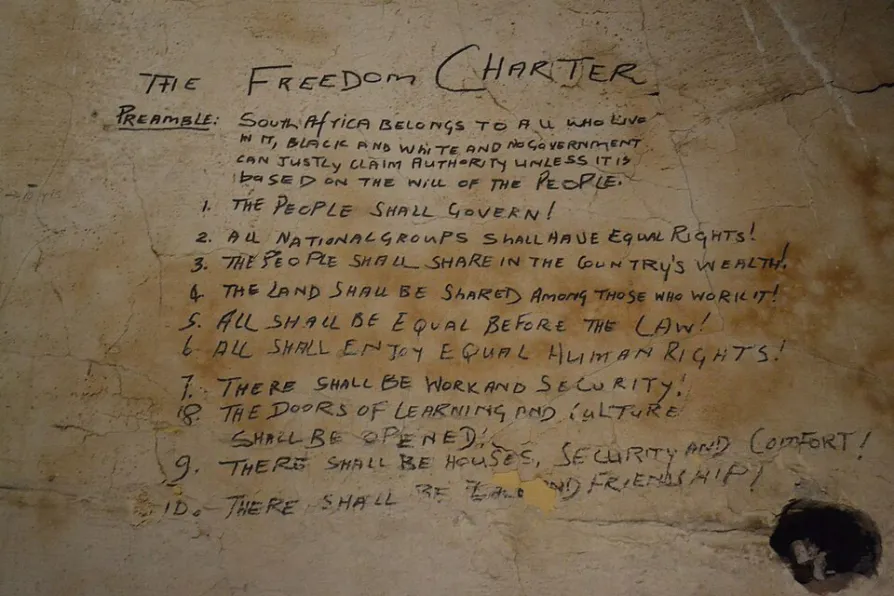
The charter emerged from a profoundly democratic process where people across South Africa answered ‘What kind of country do we want?’ — but imperial backlash and neoliberal compromise deferred its deepest transformations, argues RONNIE KASRILS