

 Latest editorial
![A recue carried out in the Mediterranean Sea by SOS Mediterranean [Pic: Marcel Beloqui Evardone / SOS Humanity]](https://morningstaronline.co.uk/sites/default/files/styles/desktop/public/2026-06/20251124_Rescue_01_Marcel_Beloqui_Evardone_LQ-21.jpg.webp?itok=iwkIhCAa)


SOUTH AFRICA’S biggest union federation Cosatu reaffirmed its support for the ANC this week, confronting attacks from within and without.
A two-day special congress, called following the expulsion of affiliate metalworkers union Numsa and the sacking of general secretary Zwelinzima Vavi, closed on Tuesday.
A group of eight unions that opposed the Cosatu executive’s decisions had hoped to see them reversed at the congress, counting on dissent among members of larger affiliates.

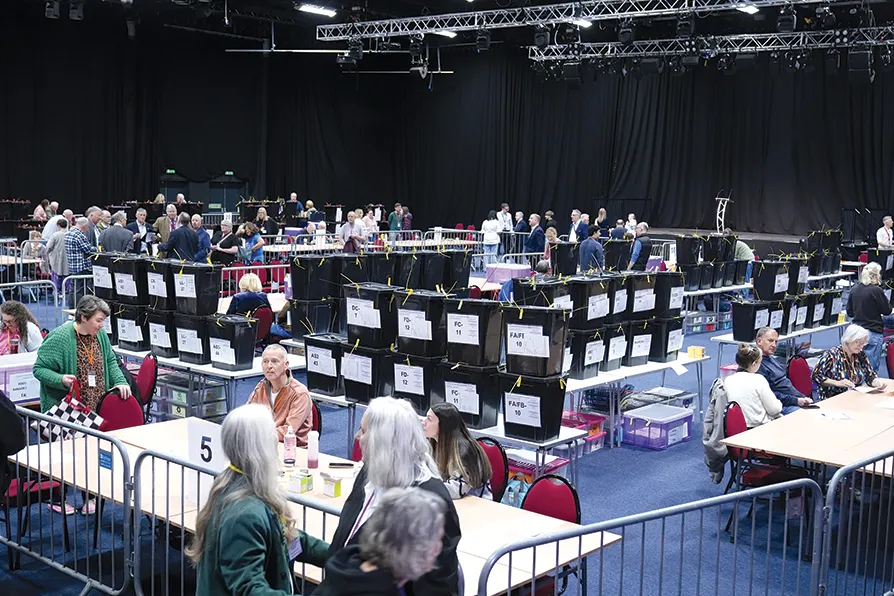
With a political crisis engulfing the Labour Party, the case for PR is back on the agenda. TONY BURKE argues trade unions must now engage on changes to our voting system
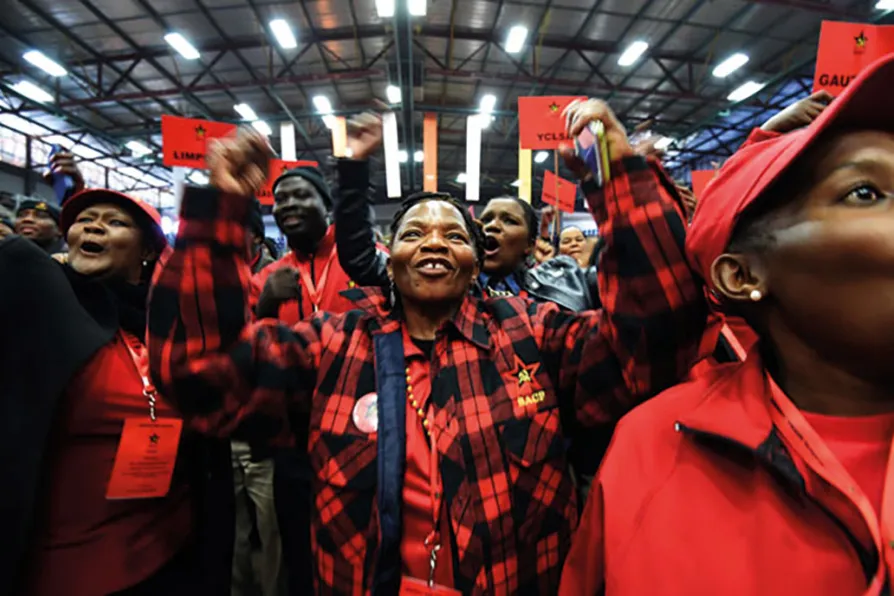
The shared path of the South African Communist Party and the ANC to the ballot box has found itself at a junction. SABINA PRICE reports
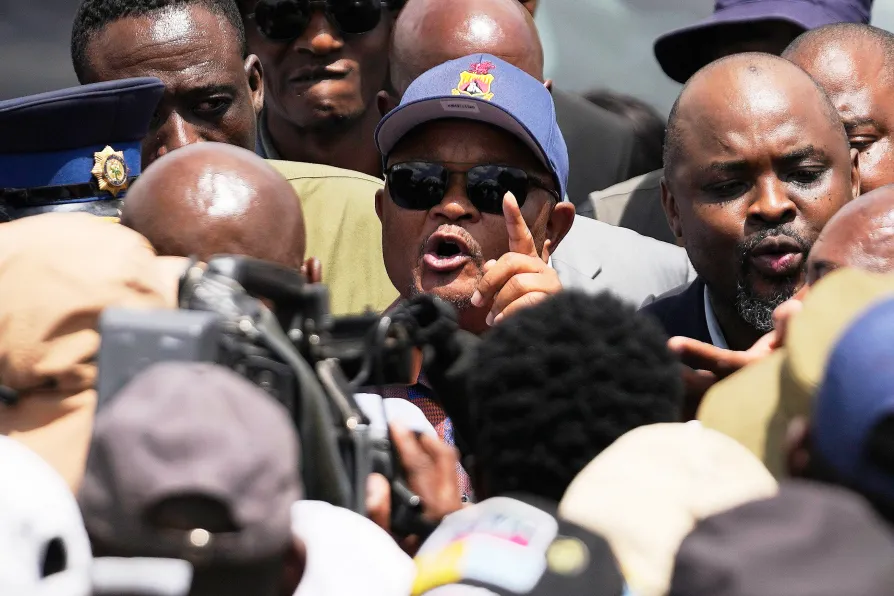
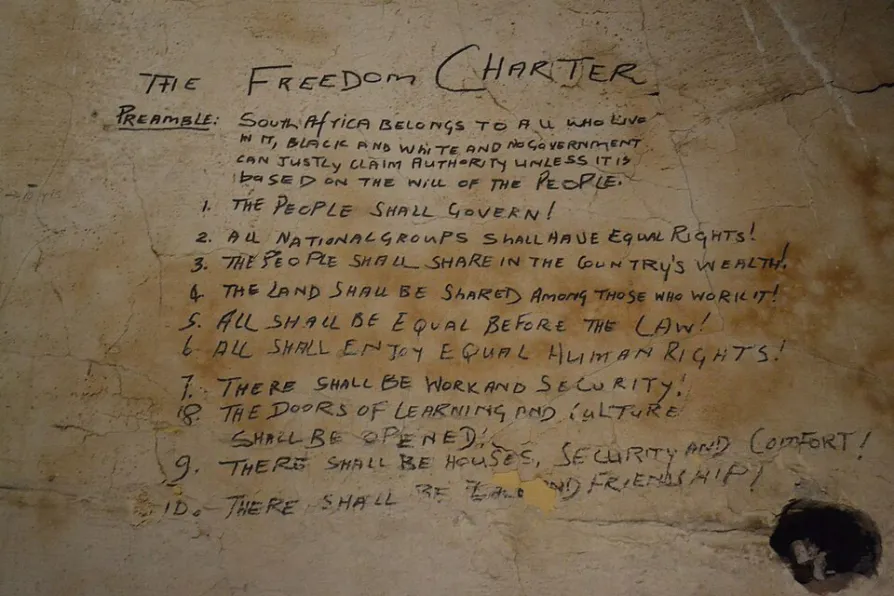
The charter emerged from a profoundly democratic process where people across South Africa answered ‘What kind of country do we want?’ — but imperial backlash and neoliberal compromise deferred its deepest transformations, argues RONNIE KASRILS