The Tories introduced the 50% strike ballot threshold to make industrial action harder. MATT WRACK argues that a Labour government has no justification for leaving it on the statute book


 Latest editorial
The dark history of Bayer chemicals
With news of Bayer’s merger with Monsanto, VICTOR GROSSMAN explores the company’s links with the nazis’ most notorious death camp – Auschwitz

In the wake of Ann Widdecombe’s murder, JOHN GREEN wonders whether the government will really get to grips with the root cause of these attacks on our MPs
The new PM’s opening addresses offered hope, council homes and reform — but little detail on how any of it will be delivered, warns CLAUDIA WEBBE
Despite the screeching from the right-wing media, Burnham’s speech chimed with the public mood - and socialists should take advantage, says Morning Star editor BEN CHACKO
Scotland's Labour leader cannot continue to evade responsibility for the party's decline, argues LAUREN HARPER
Nature as well as society works dialectically, asserts the Marx Memorial Library and Workers’ School


BAYER’S new deal to buy Monsanto breaks records not only due to its size but because of its evil smell — and not only due to Monsanto’s reputation for deadly trails of everything from disappearing wild flowers and butterflies to poverty-stricken family farmers forced to buy its seeds and pesticides.
Bayer, perhaps best known for its aspirins or other useful medicines, also has a trail marked with death, but in far, far greater numbers.
It was Bayer, together with two other chemical giants, BASF and Hoechst, which developed the terrible chlorine gas used in World War I.

Similar stories
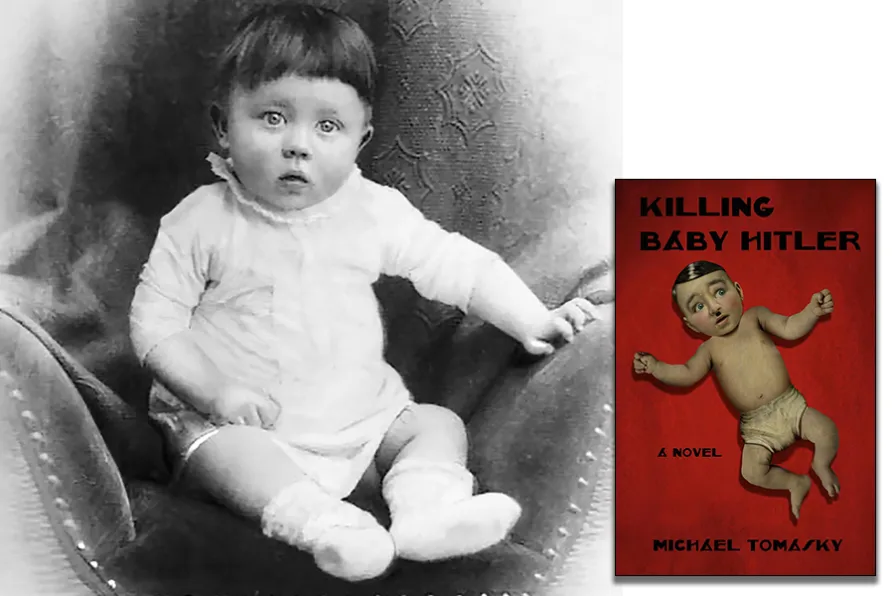
GORDON PARSONS is intrigued by a pessimistic novel in which Hitler is removed from history, to little effect
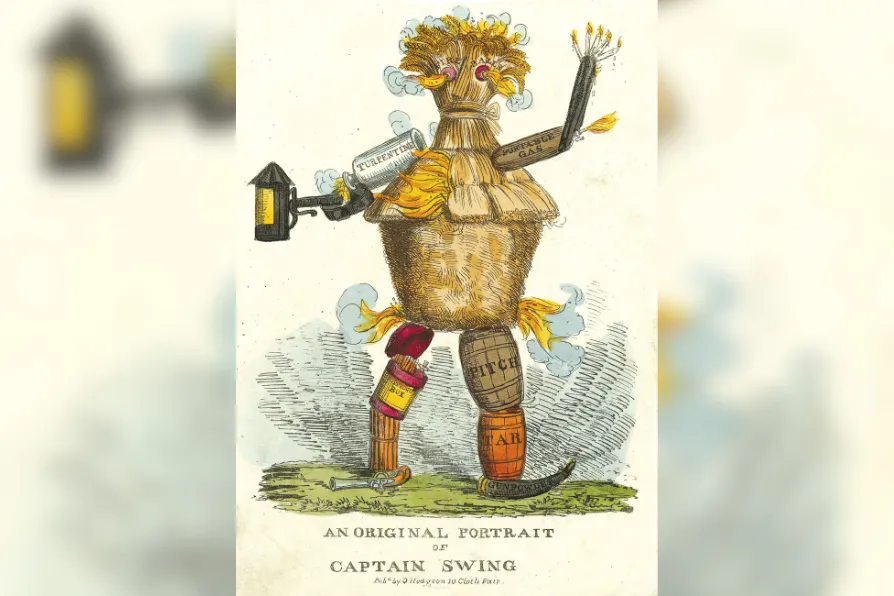
Long before modern labour movements, England’s farmworkers fought back against their oppression – and for some, like Elizabeth Studham, the price was exile to Australia. MAT COWARD tells the story
AMANDA J QUICK warns about the ever-expanding influence of the sex industry – and the harm it unleashes on both the women involved and society collectively, especially the young
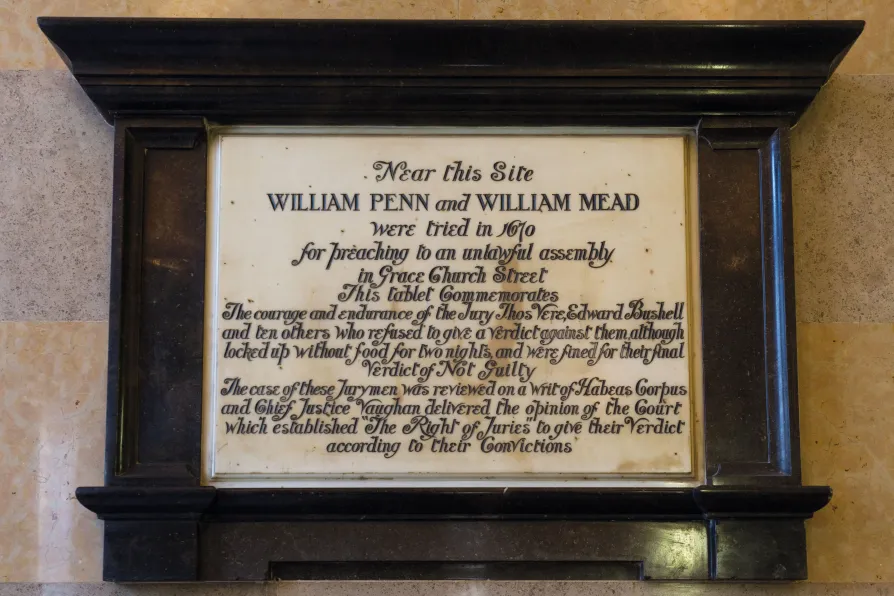
The heroism of the jury who defied prison and starvation conditions secured the absolute right of juries to deliver verdicts based on conscience — a convention which is now under attack, writes MAT COWARD