Special report by PEOPLE’S WORLD


 Latest editorial
Alan Sillitoe and the Angry Young Men revisited
Neil Fulwood and David Sillitoe explain how they decided to celebrate the diversity of Alan Sillitoe’s output as a writer, debunk the Angry Young Man cliche and direct the reader to other aspects
of his work

NICK WRIGHT considers how the isolation of Israel and a new film on the controversial Italian communist leader are creating new reference points for Italy’s left
CARLOS MARTINEZ says Cuba’s achievements in the face of a criminal blockade are startling, but the island’s future if the United States succeeds in crushing it looks bleak
AMNON BROWNFIELD STEIN reports that far-right MPs who mobbed the event organised by Hadash may have helped raise awareness of the brutality of the Israeli right
Born on this day in 1931, the heroic revolutionary faces a dangerous new wave of White House aggression. We must treat his birthday as a rallying cry to resist the illegal siege of Cuba, writes ROGER McKENZIE
RAMZY BAROUD decries the rats of Gaza, the rodent and human type. Both abound as profiteering from tragedy reaches obscene levels


Alan Sillitoe exploded onto the post-war literary scene with the one-two punch of Saturday Night and Sunday Morning and The Loneliness of the Long-Distance Runner. Both were adapted into films that became classics of British cinema. This initial blaze of success coincided with the Angry Young Men movement, a label that Alan rejected. He considered it a lazy and inaccurate pigeonhole for his work. The briefest overview of his bibliography proves him right.
Anyone who remembers Sillitoe for these two specific works might be surprised to find — in the 60-odd volumes of a career that spanned six decades — poetry, essays, plays, travel writing, memoirs, children’s books. Evaluated principally as a novelist, his output spans existential drama (The General), political satire (Travels in Nihilon), deconstructive thrillers (The Lost Flying-Boat, The German Numbers Woman), psychological meta-fiction (The Storyteller) and feminist character study (Her Victory).
In compiling More Raw Material: Work Inspired by Alan Sillitoe, we wanted to celebrate the diversity of his output as a writer, debunk the Angry Young Man cliche and direct the reader to other aspects of Sillitoe’s work.

Similar stories
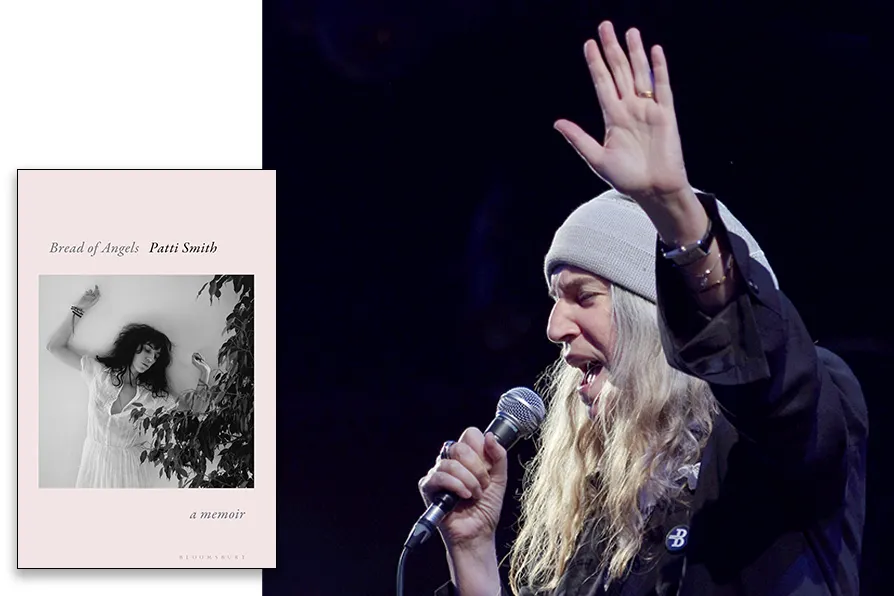
JULIA TOPPIN recommends Patti Smith’s eloquent memoir that wrestles with the beauty and sorrow of a lifetime
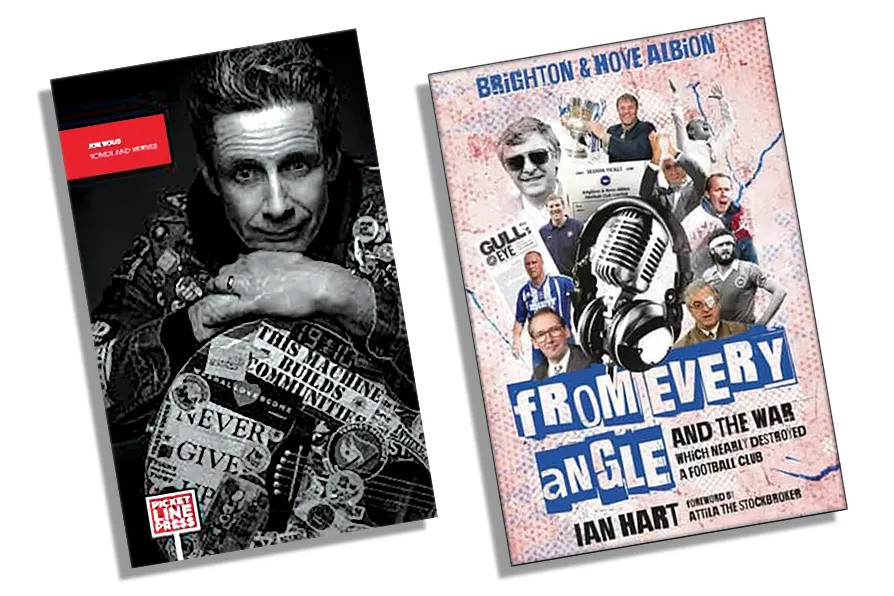
Two inspring books — that’s your New Year’s musing from me on January 2 2026
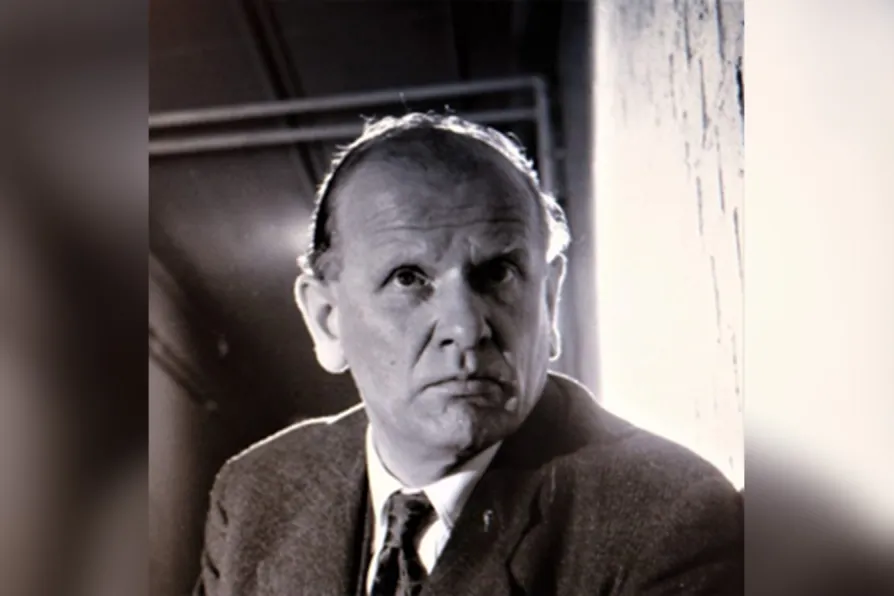
TONY FOX invites readers to come and hear the story of the remarkable Liverpudlian International Brigader Alexander Foote
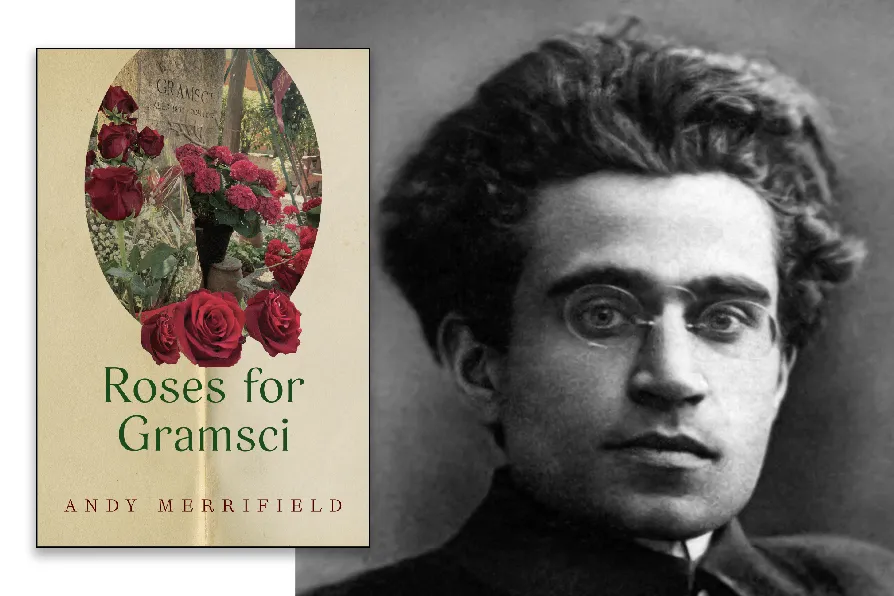
SETH SANDRONSKY savours a personal account of the life and thought of the great Italian revolutionary