Latest editorial
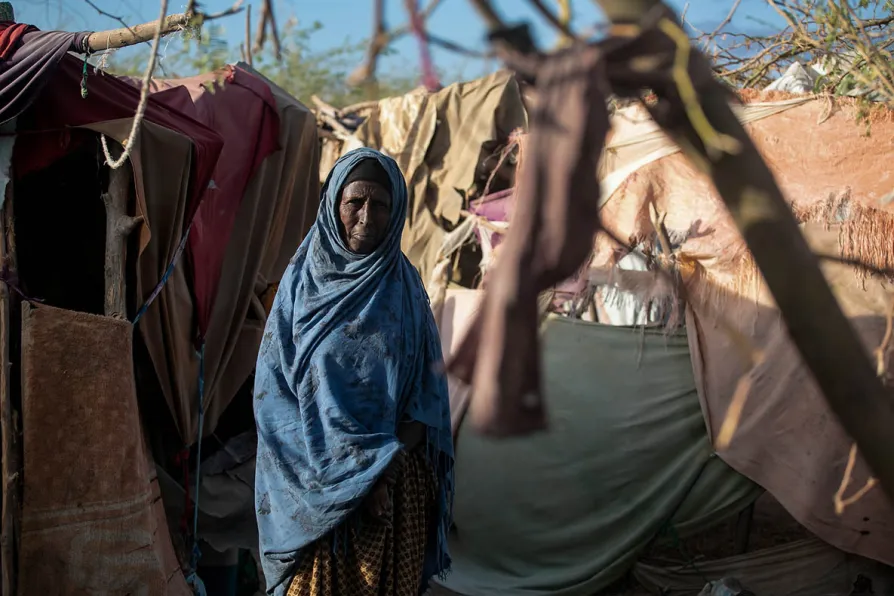 Luul Mohamed, 59 years old, displaced after fleeing the drought-affected Jawiil district, stands in front of her makeshift shelter at an IDP camp in Beletweyne, Hirshabelle state, Somalia, on 17 January 2022.
[FAO/Arete/Ismail Taxta]
Luul Mohamed, 59 years old, displaced after fleeing the drought-affected Jawiil district, stands in front of her makeshift shelter at an IDP camp in Beletweyne, Hirshabelle state, Somalia, on 17 January 2022.
[FAO/Arete/Ismail Taxta]


THE frequency and duration of droughts will continue to increase due to human-caused climate change, the United Nations warned in a report published on Wednesday.
The UN desertification agency estimates that roughly a third of the world’s population — 2.3 billion people — already faces water scarcity, with that number expected to double by 2050.
Although no region is spared, the report notes that Africa is the hardest-hit continent, with the Americas, India and Australia also highlighted as areas of particular concern at present and for the future.

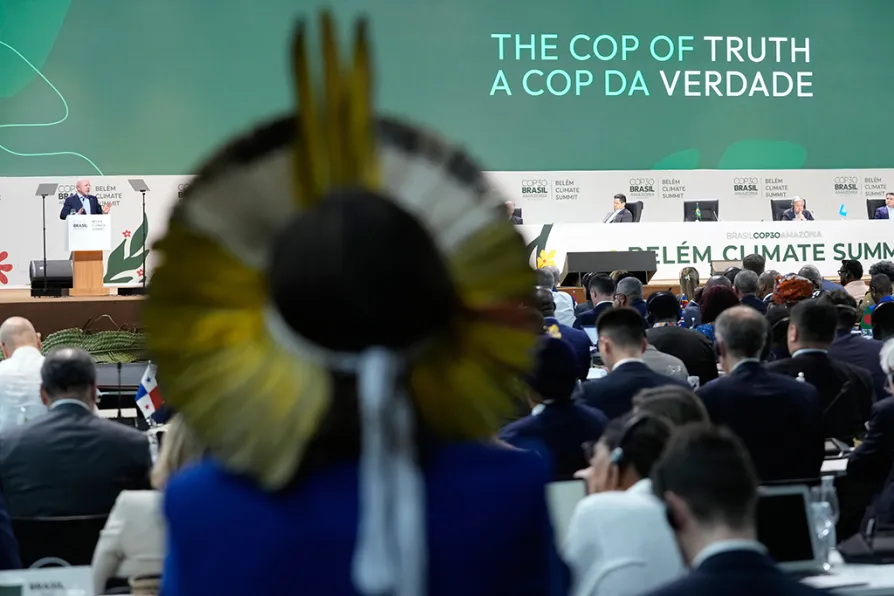
From summit to summit, imperialist companies and governments cut, delay or water down their commitments, warn the Communist Parties of Britain, France, Portugal and Spain and the Workers Party of Belgium in a joint statement on Cop30
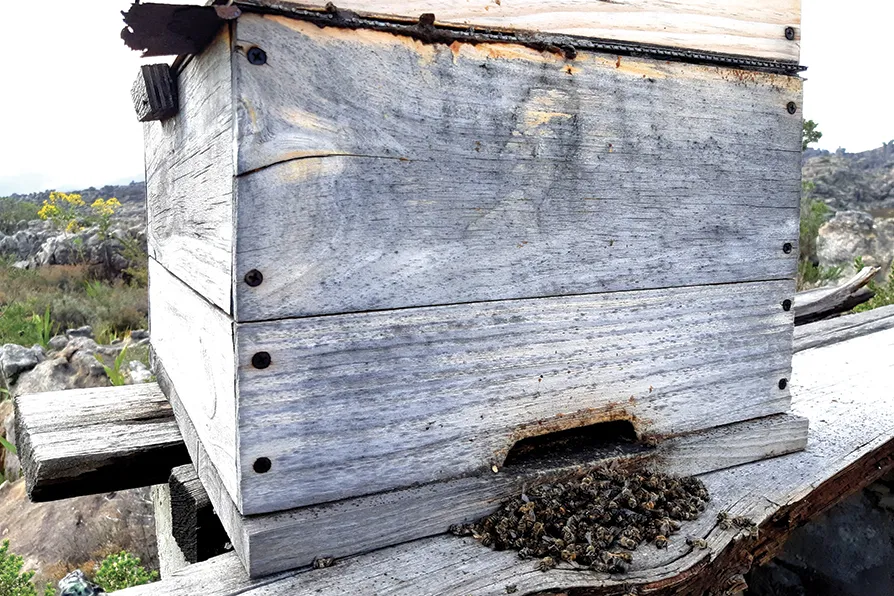
The West’s dangerous pesticide dumping in Africa is threatening biodiversity, population health and food sovereignty, argues ROGER McKENZIE