Assistant general secretary of the General Federation of Trade Unions HENRY FOWLER reports on day 1 from the GFTU’s residential Summer School at Quorn Grange Hotel


 Latest editorial
Assessing Chinese socialism 75 years after its revolution
ANDREW MURRAY reflects on the achievements and character of socialism with Chinese characteristics
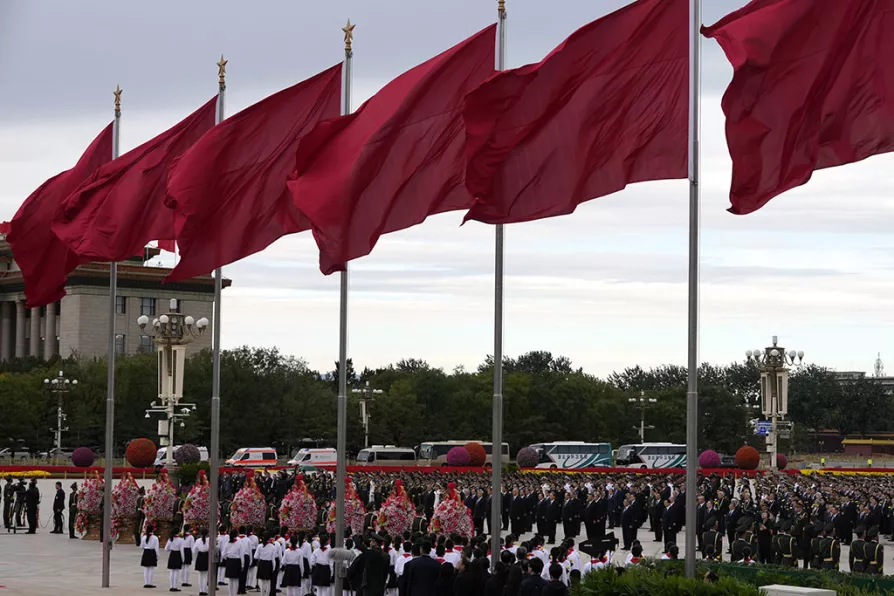 Red flags flying for Martyrs Day today in Beijing

Strike Map co-founder HENRY FOWLER discusses the significance of today’s joint union letter to video game giant Rockstar, demanding trade union recognition for its workers. Their conversation highlights how our movement can harness its collective power to rebuild union power across the private sector
The PM leaves office having squandered Labour’s electoral mandate and alienated its grassroots. He will not be missed, writes BRIAN LEISHMAN MP
Durham Miners’ Association chair STEPHEN GUY speaks to Ben Chacko about the Reform threat, what’s needed from Labour and why the Big Meeting will never lose its politics
Poland’s anger over Ukraine’s celebration of the Nazi collaborationist UPA reflects more than historical grievance, says KENNY COYLE
Can Andy Burnham’s programme deliver a productive economy – or merely a softer version of capitalism, asks VINCE MILLS


THERE is a story, possibly apocryphal, regarding a parliamentary by-election in St Pancras, north London, in 1949. The Communist Party stood a candidate and, amidst a deteriorating Cold War atmosphere, polled fairly dismally.
Johnnie Campbell, a laconic Scotsman central to the CPGB’s leadership for decades, was dispatched to the locality to rally the troops in the aftermath. Surveying his dispirited comrades, he supposedly declared: “Well, things aren’t going our way in St Pancras right now…but we’ve won in China!”
To many, that was the immediate significance of the Chinese revolution. For millions of Communists and sympathisers around the world, as well as oppressed masses in the colonies and semi-colonies, the victory of the Communist Party of China (CPC) and the party-led People’s Liberation Army was a huge advance – really the greatest conceivable – in a worldwide process of socialist revolution.

Similar stories
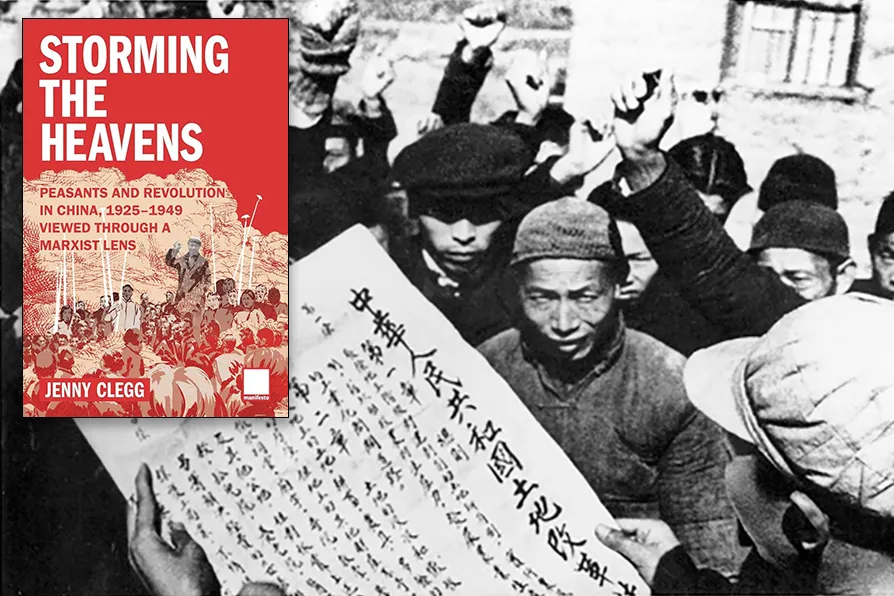
BEN CHACKO welcomes a masterful analysis that puts class struggle back at the heart of our understanding of China’s revolution
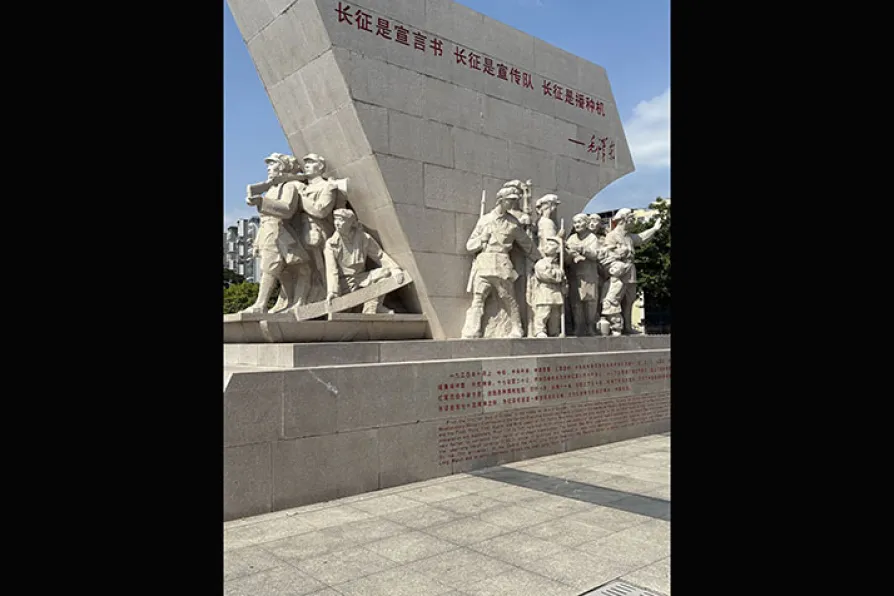
STEPHEN BELL reports from a delegation that traced the steps of China’s socialist revolution from its first modest meetings to the Red Army’s epic 9,000km battle to create the modern nation that today defies every capitalist assumption
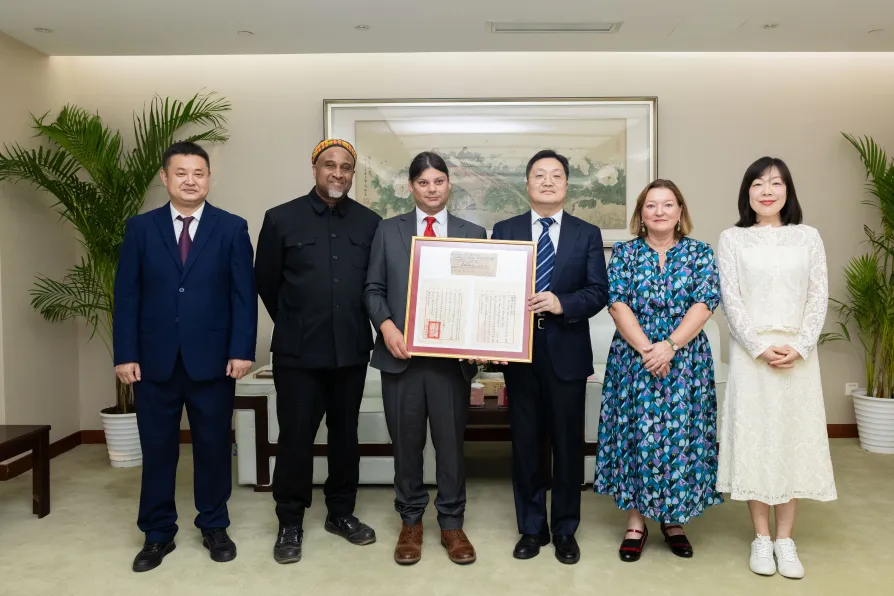
A chance find when clearing out our old office led us to renew a friendship across 5,000 miles and almost nine decades of history, explains ROGER McKENZIE
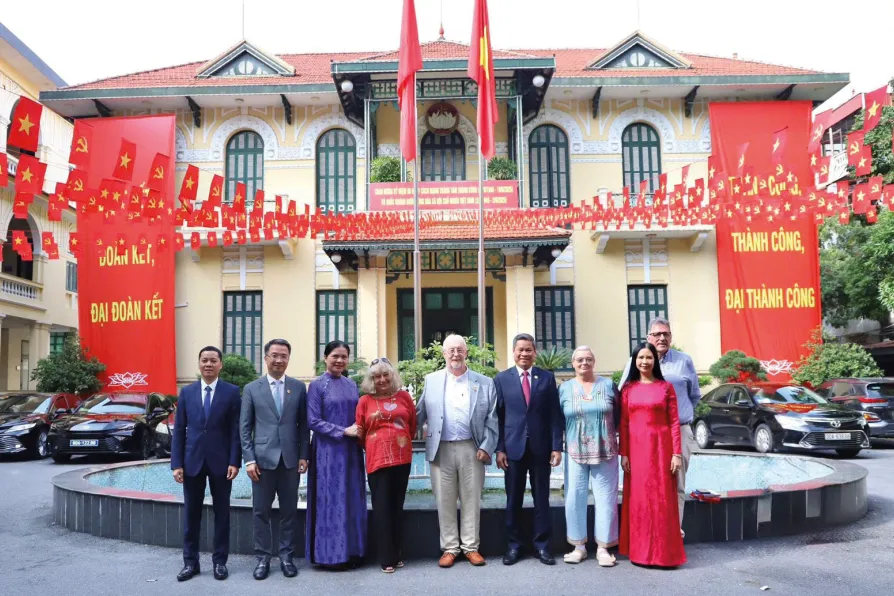
KEVAN NELSON reports back from a delegation to the epic celebrations for the anniversary of Vietnam’s 1945 revolution, where British communists found a thriving, prosperous socialist country, brimming with ambition and well-earned national pride