

 Latest editorial
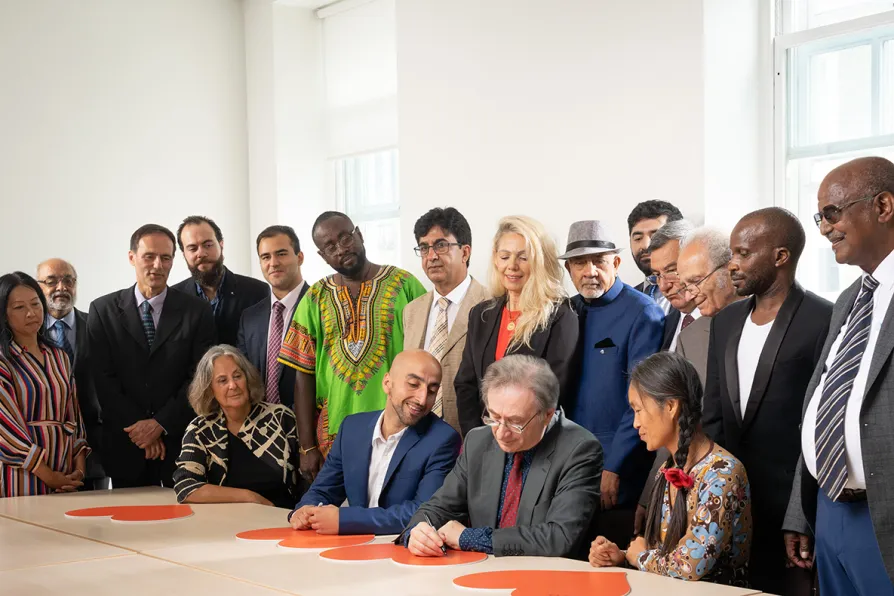 Refugees from the last 7 decades re-create the original photo of the signing of the UN Refugee Convention to mark its 70th anniversary on 28 July 2021
[Gary Moyes]
Refugees from the last 7 decades re-create the original photo of the signing of the UN Refugee Convention to mark its 70th anniversary on 28 July 2021
[Gary Moyes]


REFUGEES from seven countries have come together to recreate the iconic image of the 1951 UN Refugee Convention’s signing, 70 years after it was enacted.
The convention, adopted on July 28 1951, formalised the rights of refugees under international law and has since been signed by 149 countries.
The recreation of the original black-and-white image, replacing diplomats with refugees, was organised by the Together for Refugees coalition with the aim of pressuring the British government to continue upholding its obligations to protect asylum-seekers.

Britain’s proud asylum history, from sheltering the Kindertransport escaping Hitler to Basque children fleeing fascist Spain, required tireless campaigning against persistent opposition — and it’s up to all of us to do our part today, writes SABINA PRICE
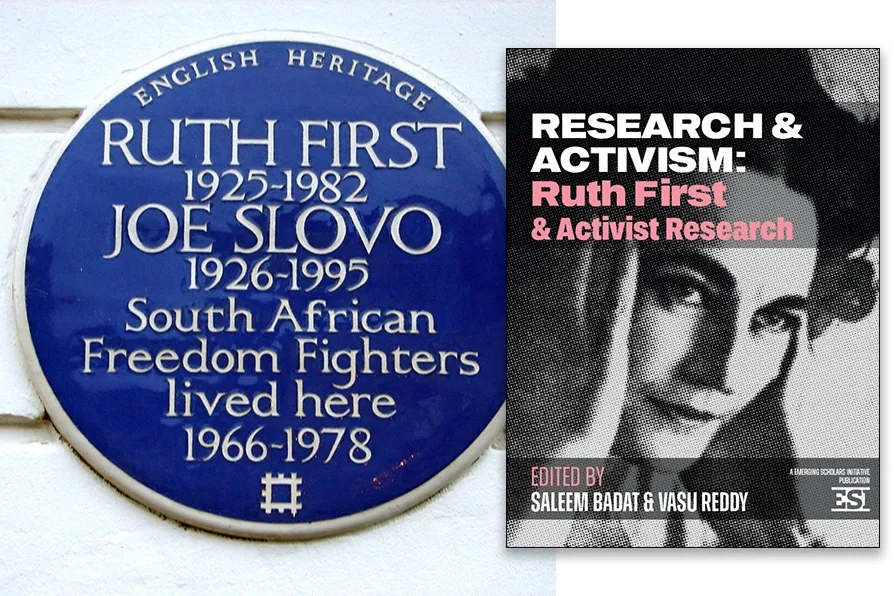
SALEEM BADAT and VASU REDDY introduce a new book about an outstanding interpreter of the world, and an activist scholar committed to changing society
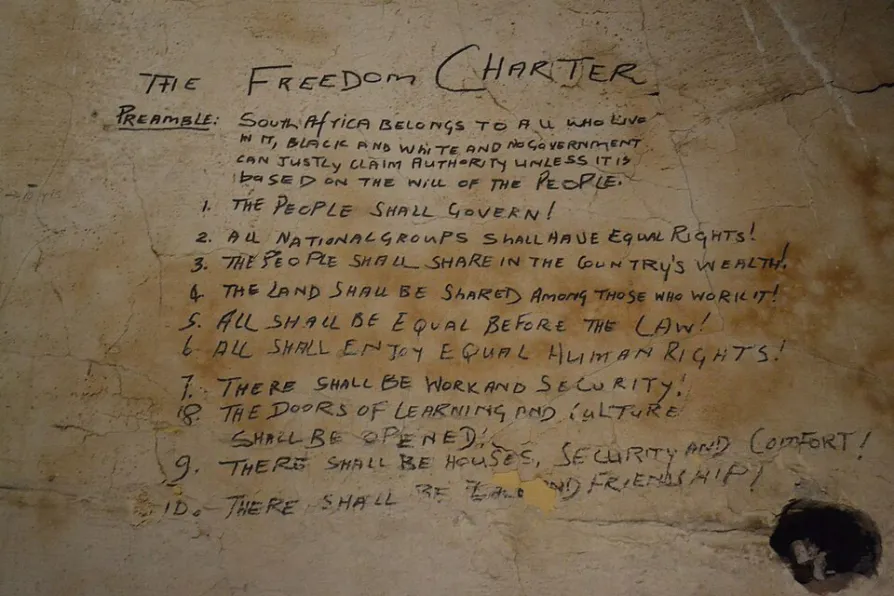
The charter emerged from a profoundly democratic process where people across South Africa answered ‘What kind of country do we want?’ — but imperial backlash and neoliberal compromise deferred its deepest transformations, argues RONNIE KASRILS