

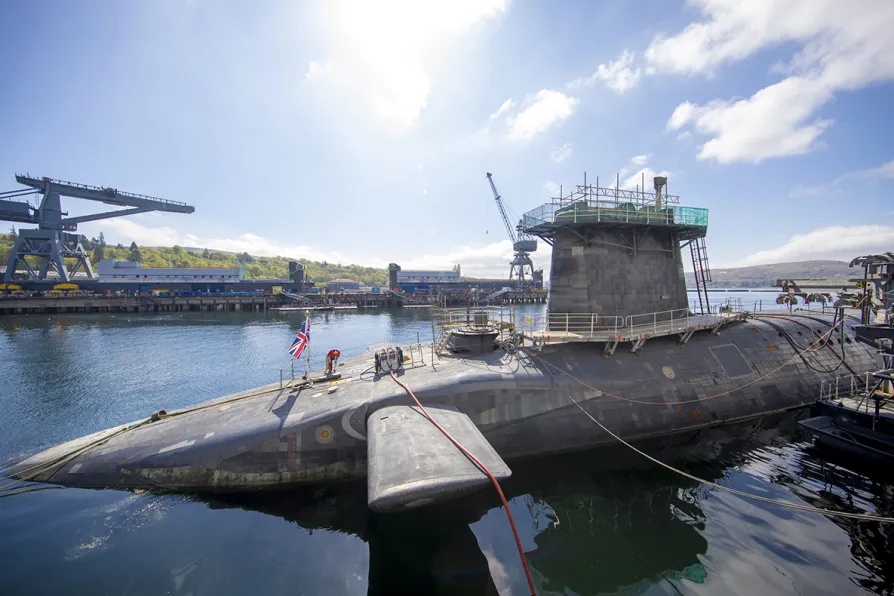
 HMS Vigilant at HM Naval Base Clyde, Faslane, which carries the UK's Trident nuclear weapon



A LEADING peace activist in Scotland has urged the government to produce a timetable for the removal of British nuclear weapons and submarines from their Scottish base if independence is achieved.
Isobel Lindsay, a long-time Campaign for Nuclear Disarmament campaigner, warned that the Westminster Parliament would attempt to “buy time” and maintain its Trident submarine base at Faslane on the west coast of Scotland in the event of a vote for independence.
Writing in pro-independence newspaper The National, Ms Lindsay said: “It is obvious what the Trident negotiating pitch of the UK government will be in independence negotiations.

Expanding Britain’s nuclear capability increases the risk of nuclear confrontation. It does not keep us safe – it makes us a target, argues CAROL TURNER
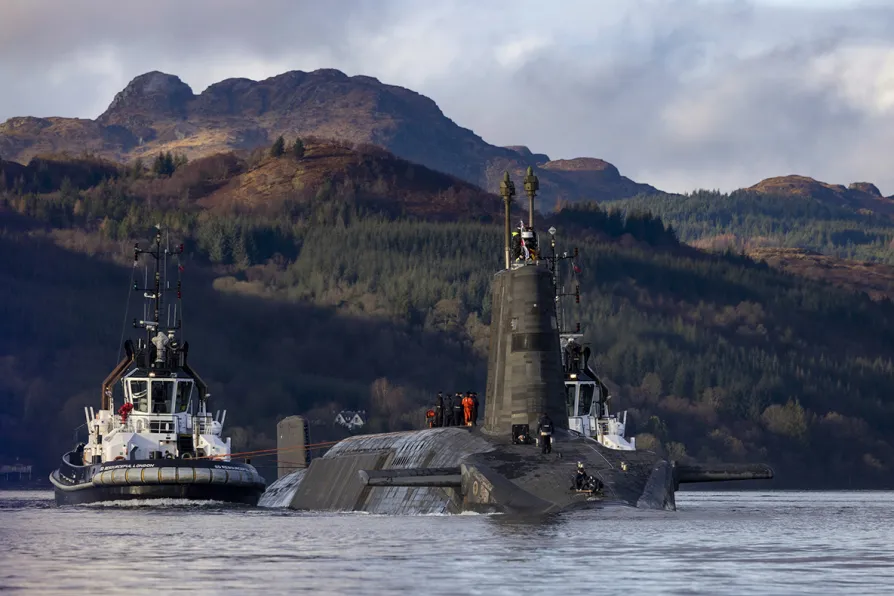
Campaigns against nuclear weapons on the Clyde, financial backing for arms firms and rising militarism are converging with solidarity for Palestine, as Scotland’s peace movement builds momentum ahead of the 2026 Holyrood election, says ARTHUR WEST

