KEVIN DONNELLY suggests that the task of transforming cultural spaces is far from over and that photography still has a key role to play


 Latest editorial
Becoming a working-class trans man
CAL McBRIDE relishes the lyrical truth of an unstable identity in an over-tidy and conventional social realist treatment

RITA DI SANTO talks to Scottish-Irish filmmaker MARK COUSINS about his new series The Story of Documentary Film
ALAN MORRISON welcomes a new collection from the most imaginative and committed ecopoet of our time
New releases from Shearwater, Florry, and Navy Blue
CHRIS SEARLE welcomes a startling vision of contemporary Newport from a veteran photographer of the British working class
ANGUS REID recommends a very unusual documentary: a love story between two disillusioned journalists


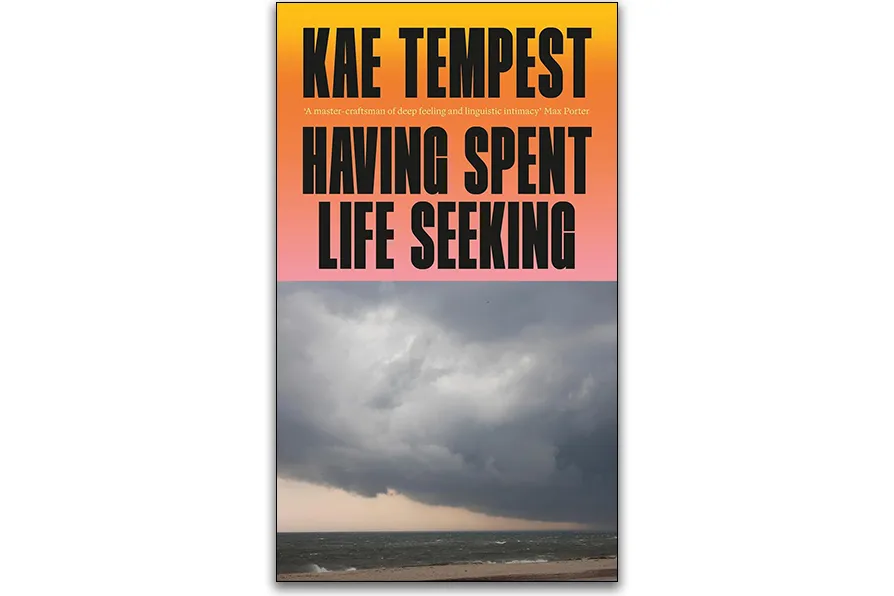
Having spent life seeking
Kae Tempest, Jonathan Cape, £18.99
THE town in Kae Tempest’s second novel is called Edgecliff. The name does most of the work the book asks of it — bleak, blunt, on the edge of falling off. Rothko Taylor washes back into it at 36, out of prison after two decades, living in a van with a stray dog, picking up handyman work, saving to start on testosterone.
Their mother Meg is in a care home with dementia. Their sister Sarai has built the respectable life. Their father Ezra hovers, gentle and defeated. Dionne, the first love from a teenage summer, is still in town.
All the furniture of social realism is here: seaside decline, the care home, a working-class family split three ways by circumstance. Tempest assembles it with real feeling and no shortage of care. Whether the mode can bear the weight is another matter.
Trauma piles up until it starts to look less like plot than inventory, and the lyric prose reaching for grace too often reaches past its own sentences. Rothko, on this register, is barely a character at all — a sum of things that happened to them, gender dysphoria and unhappy childhood standing in for the interiority realism usually promises. Whether that is a failure of nerve or the most honest thing about the book is the genuinely interesting question.
However, to read the book purely in a social realist register would be a mistake — and one that a number of other reviews seem to have made. Tempest is, at heart, too much of a poet for that. There’s a lyrical turn to the prose on almost every page, often startlingly so, and it is nowhere more evident than at the novel’s real turning point, when Rothko descends fully into addiction and self-destruction and the prose breaks into something closer to poetry. It’s a signal of how the book wants to be read, if the reader hasn’t picked up on it already.
But where the book really shines is what it does with its trans protagonist. Mid-way through, in the sentence after Rothko says “I’m a man” to Dionne, the pronoun shifts from “they” to “he” and stays shifted. The reader is not told the character has transitioned; the sentence has. It is the one moment where the book’s lyric ambition and its subject line up cleanly. It is the moment Tempest earns.
The novel also does careful work with the texture of everyday transphobia. Early on, Rothko’s fragile, slowly assertive self-confidence is knocked back by a pointlessly hostile encounter in a public bathroom, and across the book they face the usual tapestry of misgendering, accidental and otherwise malicious.
But in narrative terms, it can’t be avoided that this is a fairly conventional novel — a variation on the redemption-of-the-returning-ex-con, dressed in an interesting twist. Its ending settles for tidy, almost traditional resolutions: the long, on-off love affair is settled, the bully and the bullied find their accommodation. The tidiness is the problem. A novel this alert to the instability of identity — the way Rothko’s very name for himself changes mid-book — earns very little by handing its plot back to the oldest shape in the drawer.
That said, there is real beauty here, and the novel is at its best when it drops the plot altogether and simply sits in its own register — a state-of-the-nation account of social decay, institutional indifference curdling into injustice, homelessness, a fractured community, and a gender that refuses to hold still on the page.

Similar stories

MATTHEW HAWKINS relishes the literary output of autistic writers, and recommends its insight to readers both including and beyond the community themselves

SYLVIA HIKINS relishes Jeanette Winterson’s brilliant hijack of 1001 Nights to push aside the boundaries set by others
JOSEPHINE BARBARO welcomes a diverse anthology of experiences by autistic women that amounts to a resounding chorus, demanding to be heard
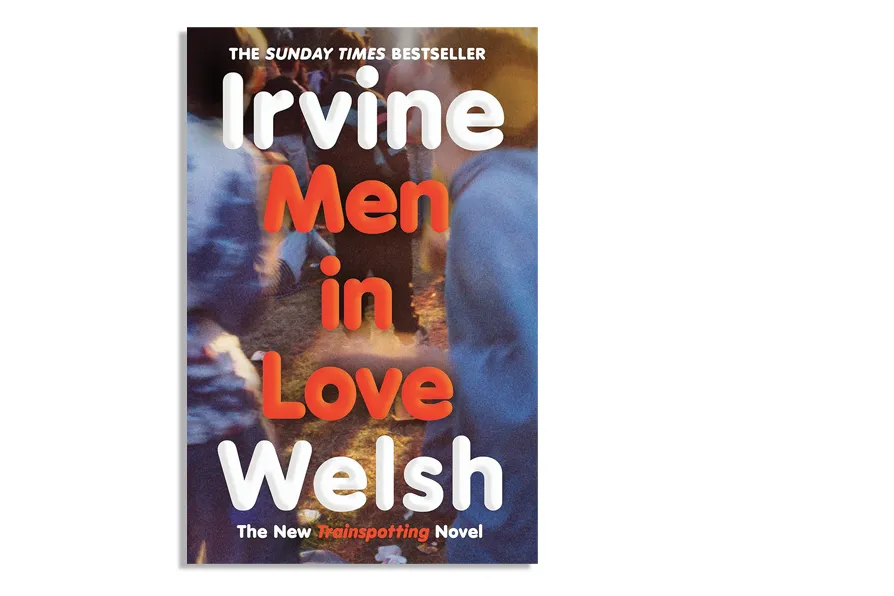
The book feels like a writer working within his limits and not breaking any new ground, believes KEN COCKBURN