Extreme heat is now one of the defining public health challenges of a warming world, explains Prof IAN WILLIAMS


 Latest editorial
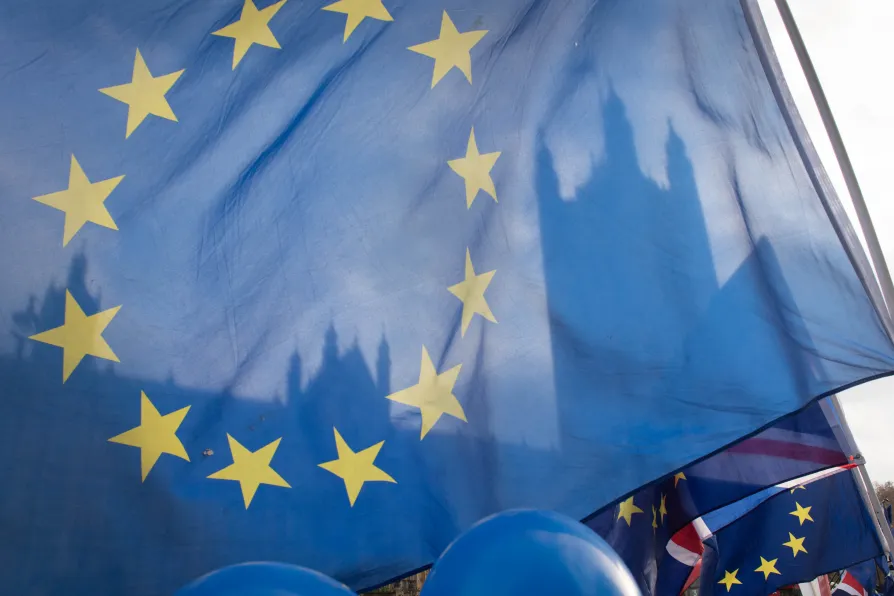
Brexit is inevitable, so we must fight for our rights
May's deal is doomed, but Brexit is happening one way or another — it is now up to us as a movement to defend the EU protections that we will lose, writes GORDON McKAY
19.01.1930-23.04.2026
Kate Clark pays tribute to Ricardo, whose life spanned the hopes of Allende’s Chile, the horrors of military dictatorship and decades of campaigning for justice in exile
The electoral cost of Labour’s stance on Gaza is impossible to ignore – the new leadership must take heed, argues PETER LEARY
After the dismissal of union representatives and years of precarious working conditions, Kimpton Clocktower workers are drawing a line, writes THOMAS BELL
Burnham’s Makerfield triumph offers the party the opportunity to reconnect with working people, but only if it rejects business as usual, says CAROL MOCHAN MSP
KIERA MARSHALL says there is a gulf between the privileged circles in which most politicians move and the lives of working-class youth in left-behind estates – and as a newly elected Senedd member she’s determined to do something about it


With everything else that is happening in the political world — although at times one wonders if anything else is happening — it may be difficult to remember that it is now almost six years since David Cameron made his commitment to holding a referendum on Britain’s membership of the European Union if the Conservatives won the 2015 general election.
If anything, it is probably even more difficult to remember that Cameron’s guiding principle in making that decision was the reunification of the Tory Party in the face of an electoral threat from Ukip.
His strategy proved successful in its immediate goal of winning a parliamentary majority in the general election, but it quickly fell apart, losing the referendum, his own resignation and a level of party disunity in negotiating an exit that made the divisions that John Major faced over the Maastricht Treaty pale in comparison.
Two-and-a-half years on from the European Union referendum we finally have a withdrawal agreement that can be presented to Parliament.
The problem is that, no matter how often one recalculates the arithmetic, it is an agreement that cannot command a parliamentary majority.
Along with Tories who want leave to simply mean leave in order to create a bonfire of workers, environmental and human rights, Labour sees the prize of a general election, the SNP believes a second EU referendum justifies its constitutional demand for a second Scottish independence referendum and the DUP for internal political purposes cannot support anything that treats Northern Ireland differently from the rest of Britain.
At the risk of leaving oneself open to the worst political fate of all when predicting the future — ridicule if predicting it wrongly, although history tells us sometimes the ridicule is more extreme when predicting it correctly — the most immediate question for the labour movement is what to do when Parliament votes down the withdrawal agreement next week?
In the event the withdrawal agreement negotiated by Theresa May fails to pass through Parliament, the only honourable route for a Prime Minister who failed to get such a centrepiece of legislation through would be to call a general election and to make her withdrawal agreement a specific manifesto commitment.
If, as expected, the Tory Party fails to take the honourable course, and one wonders why they would start now, Jeremy Corbyn should table an immediate motion of no confidence and ask the question of Boris Johnson, Dominic Raab and Arlene Foster, what is the guiding light in their political journey, principles or ambition?
Whatever happens in the wider political context the question of the form that any EU withdrawal will take still remains to be answered.
Unison campaigned in 2016 for the UK to remain in the EU, but as the largest trade union in the country with 1.3 million members we accept the democratic result of the referendum. That does not mean of course there can never be a case made for another referendum in the future — we had one in 1975 — but for the moment the question of membership has been settled. What the referendum did not settle however was the terms of an exit and it did not mean that the organised labour movement accepts that we should leave the EU on any terms or indeed no terms.
Unison believes that the real agenda of the Tory Party is not one of sovereignty — it never has been. That has always been simply a xenophobic smokescreen. It has been about promoting a race to the bottom in workers’ rights, consumer standards and environmental regulation. It is about destroying public services.
Unison wants to see as core to any exit deal and new agreement with Europe the protection of public services, the guaranteed safeguarding of employment, health and safety, consumer and environmental rights, standards and regulations. We would want the guaranteed protection of equality and human rights, EU freedom of movement, EU citizen rights and the prevention of a hard border between Northern Ireland and Ireland, the upholding of the Good Friday Agreement and respect for all the British devolution settlements.
These are the principles that are important to Scottish workers and it is for the advancement of these principles that Unison will campaign for in the weeks and months to come.
Gordon McKay is the president of Unison

Similar stories
The election offers a critical chance to shape the future of pay, care and community provision in Wales, says Unison’s JESS TURNER
The biggest strike in global history is a template for our future. The silence tells you all you need to know, writes CLAUDIA WEBBE
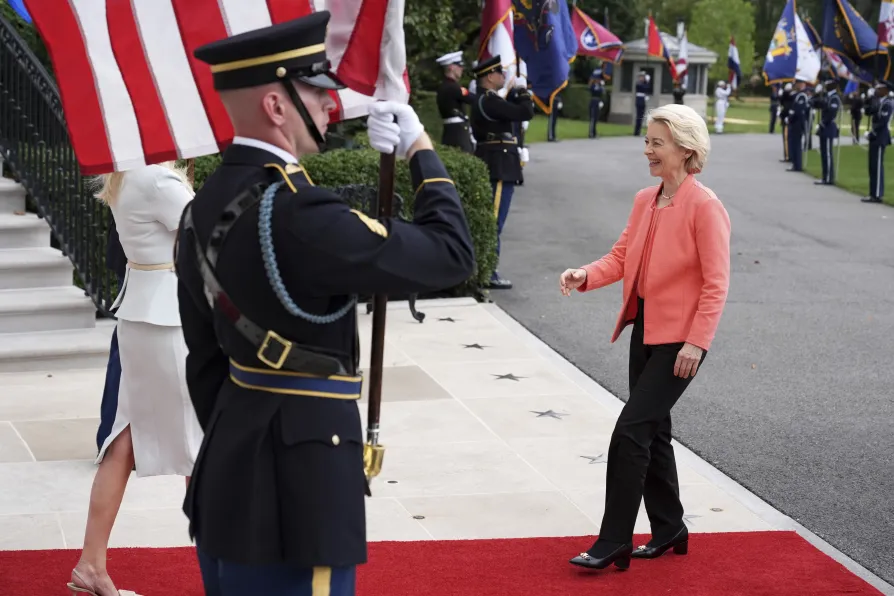
US tariffs have had Von der Leyen bowing in submission, while comments from the former European Central Bank leader call for more European political integration and less individual state sovereignty. All this adds up to more pain and austerity ahead, argues NICK WRIGHT
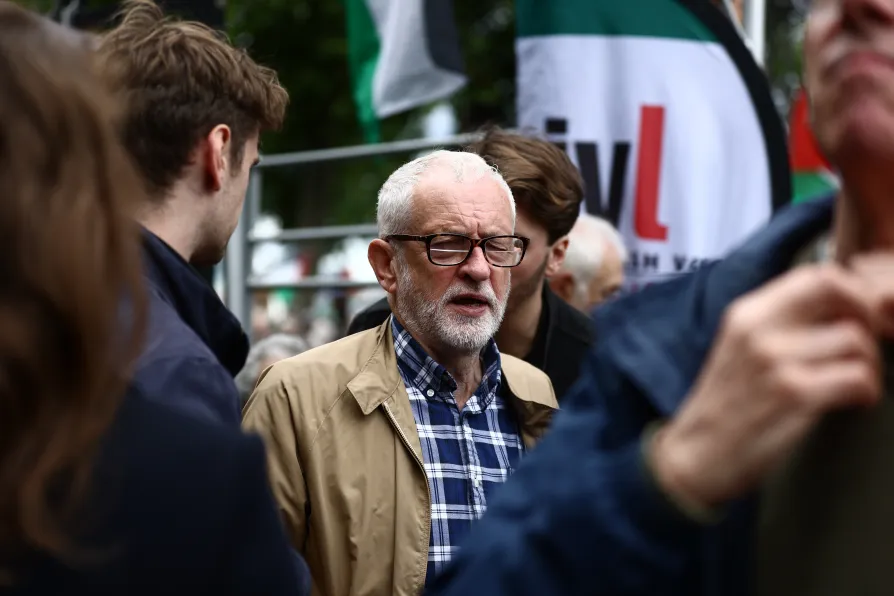
VINCE MILLS cautions over the perils and pitfalls of ‘a new left party’