

 Latest editorial
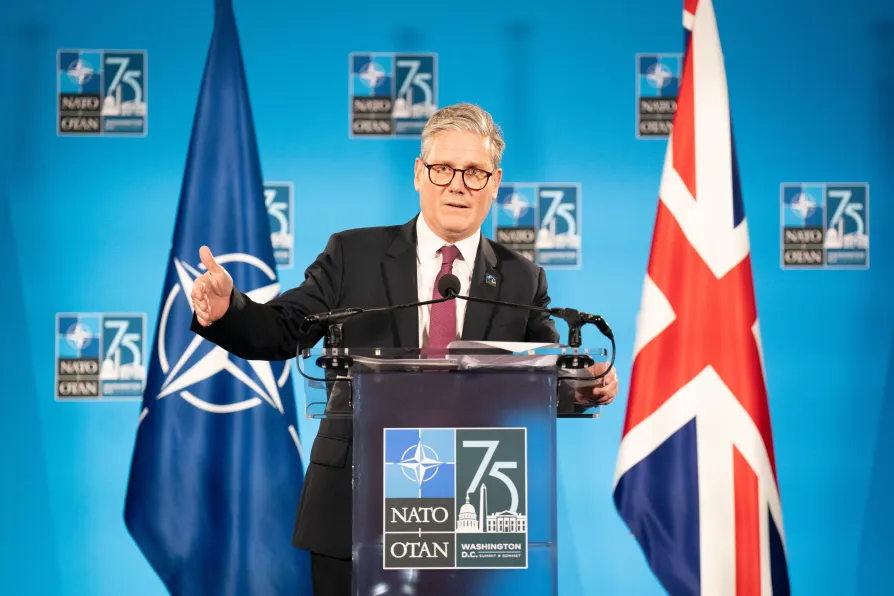 Prime Minister Keir Starmer holds a press conference at the end of the Nato 75th anniversary summit at the Walter E. Washington Convention Center, in Washington DC, US, July 11, 2024
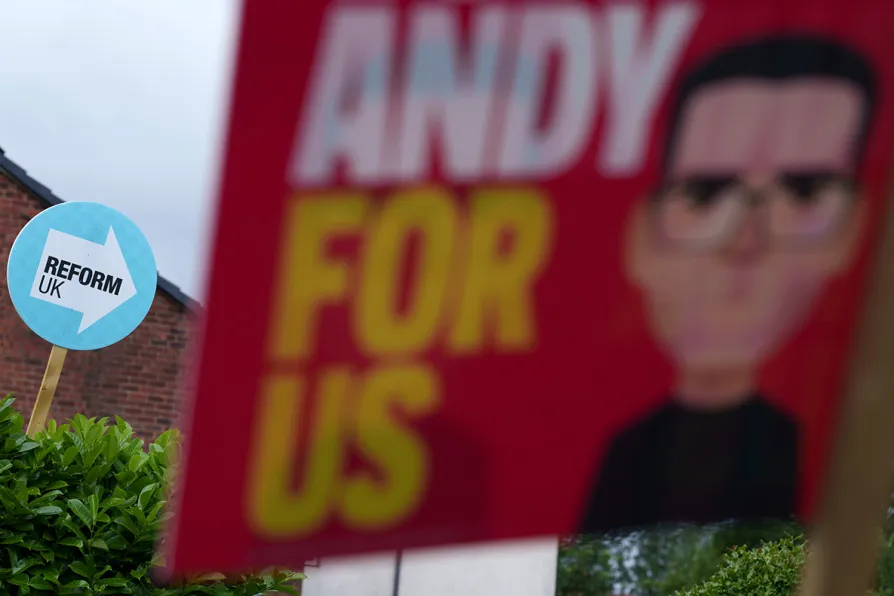


ADVANCED Nato weaponry appears to have given a critical edge to Ukraine’s incursion into Russian territory. Over the past week, Ministry of Defence officials have refused to deny direct British participation.
So also have their counterparts in Germany and a number of other Nato member states. It seems highly likely that Nato personnel would have been involved in what now appears to have been a highly sophisticated operation using advanced weaponry. Over the past week, pressure has been exerted for the supply of Storm Shadow cruise missiles.
This is a new and very dangerous escalation of the conflict in central Europe. Nato is now directly or indirectly involved in an invasion of Russia.
This follows on from last month’s belligerent Nato summit where the outgoing Nato head Jens Stoltenberg promised Ukraine a “place within Nato” and named “China, Iran and North Korea” as supplying material support to Russia. “China,” claimed Stoltenberg, has been “a decisive enabler of Russia’s war.”
The naming of this quartet, “Russia, China, Iran and North Korea,” was repeated the following week by the man Keir Starmer has placed in charge of the British government’s defence review, Lord George Robertson.
Over the same period a second member of the “quartet,” Iran, has been brought sharply into the firing line with the killing of Hamas leader Ismail Haniyeh in Tehran and the assassination of senior Hezbollah commander, Fuad Shukr, in Lebanon.
These killings were deliberate provocations. They were followed this week by the announcement that the number of dead in Gaza now exceeds 40,000.
The US administration may not want a wider war at the moment but its warships and planes are being moved into the region. As Iran ponders its response, the US has repeated its pledge to stand by Israel — raising the prospect of a second regional war.
At the same time, the US continues to build an aggressive alliance in the Pacific. Collectively Nato powers have hiked up combined military expenditure, through the now-expanded alliance, by a massive 18 per cent over the past year.
This is the challenge our peace movement in Britain now faces. It is also one that faces the trade union movement. Traditionally over the past generation Britain’s trade unions opposed militarisation and nuclear weapons.
It is now divided. As such it opens the way for an aggressive military lobby at a time when nuclear war looms. The atomic “doomsday clock” is now closer to midnight than any time since 1960.
We know that it was our prime minister, Boris Johnson, who with US support, persuaded Zelensky to reject what was an agreed peace proposal brokered by Germany and other EU and regional states in April 2023.
Repeated attempts have been made by Brazil, China, Turkey and Hungary, among others, to secure negotiations. Britain has failed to respond or opposed — as has the US.
In the past, this would have triggered a wider mass movement for peace in which most trade unions would have taken their place. Some have. Most not. At the same time, wider support in communities is limited.
Yet the issue is not just military, about continuing and future deaths. It is also about immediate economic issues. Last December the House of Commons defence committee found that that Britain was already committed to spending figures by the Ministry of Defence equal to 2.5 per cent of GDP.
Today Labour remains committed to this target — at a time when private rents are rising by 8.6 per cent, homelessness is epidemic, poverty levels are increasing and education achievement levels falling for the poorest.
If there is to be a war, it should be a war against poverty that our trade unions and communities should be fighting together.

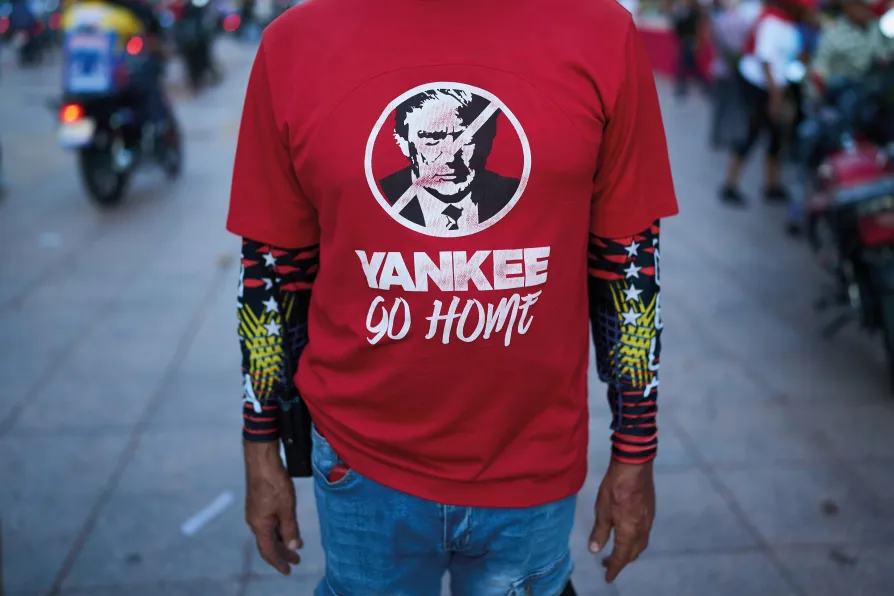
Western nations’ increasingly aggressive stance is not prompted by any increase in security threats against these countries — rather, it is caused by a desire to bring about regime changes against governments that pose a threat to the hegemony of imperialism, writes PRABHAT PATNAIK
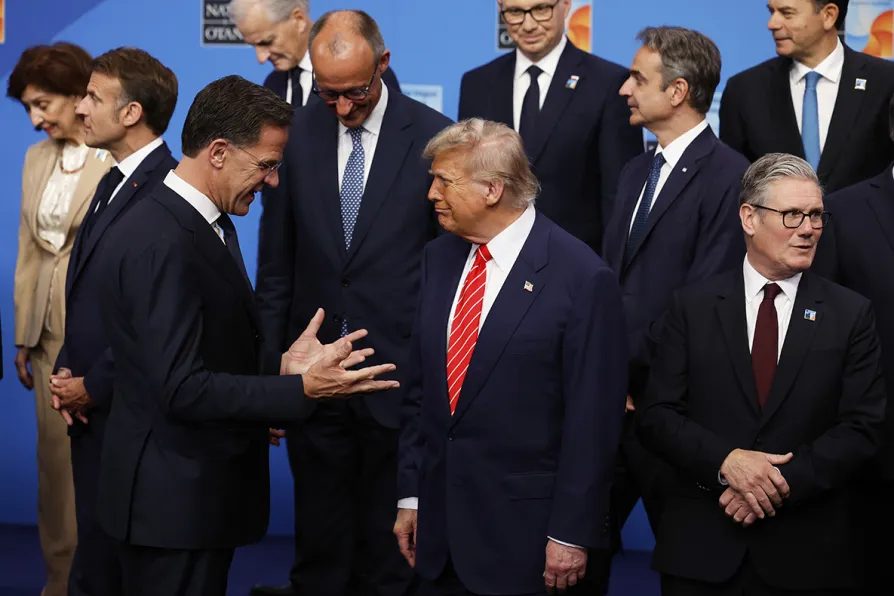
In an address to the Communist Party’s executive at the weekend international secretary KEVAN NELSON explained why the communists’ watchwords must be Jobs not Bombs and Welfare not Warfare
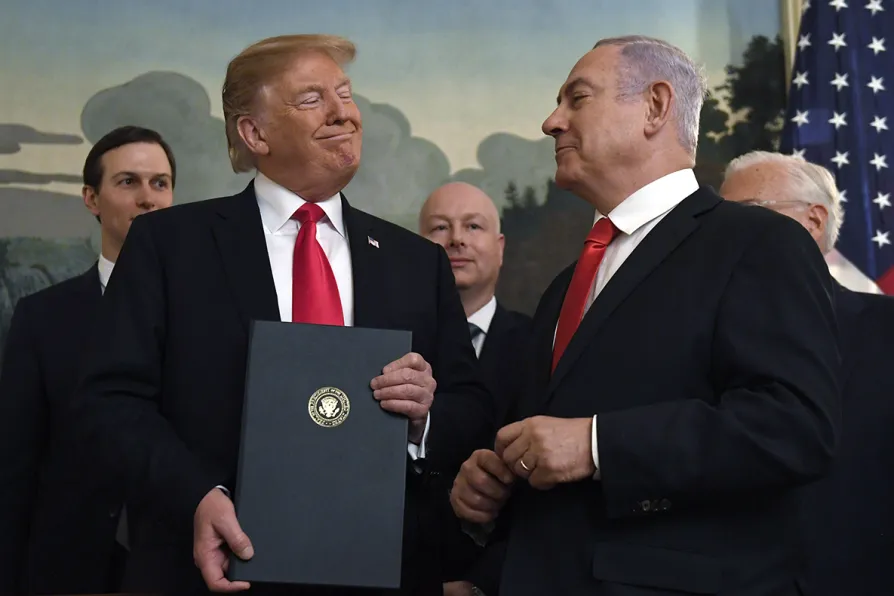
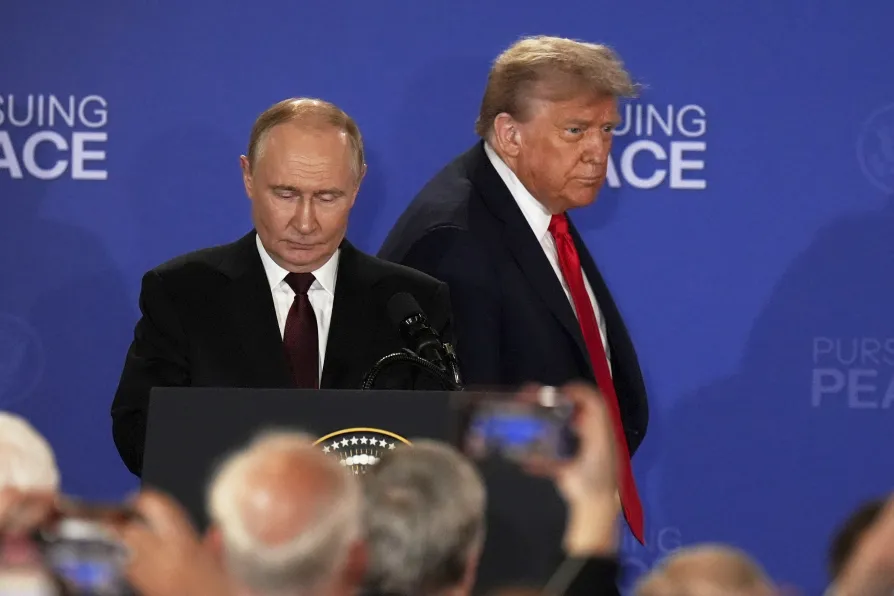
While Trump praises the ‘successful’ attack on Iranian nuclear sites, the question arises as to the real motives behind this escalation. MARC VANDEPITTE explores the issues