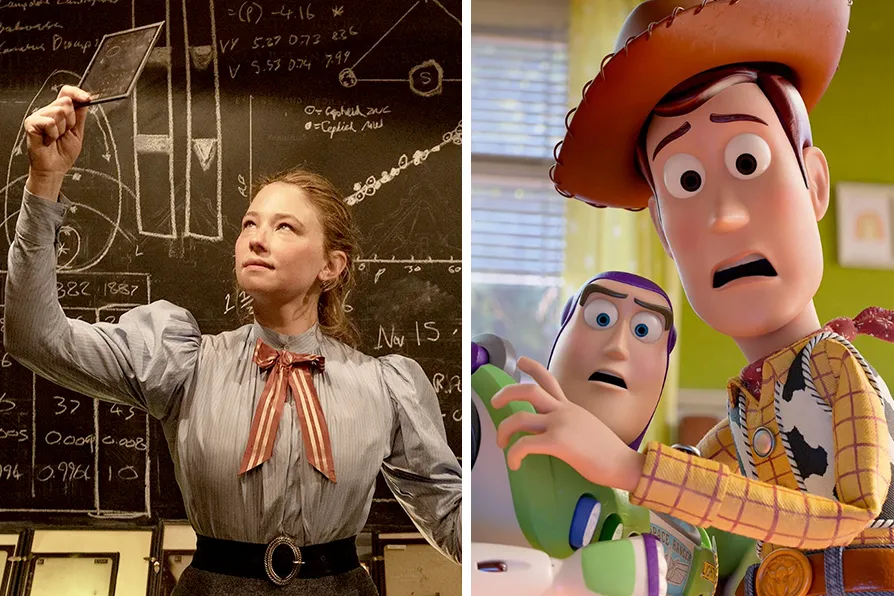
MARIA DUARTE and MICHAL BONCZA review Virginia Woolf’s Night & Day, Familiar Touch, Nino, and Toy Story 5


 Latest editorial
The Jacobean and Georgian frost fair roots of today’s winter wonderlands
The artworks depicting the frost fairs of the 17th and 18th centuries rarely show the dangers of the ice and the economic hardship it brought, particularly to those who could not afford the inflated prices of food and fuel as a result of the freeze, writes CLARE TAYLOR
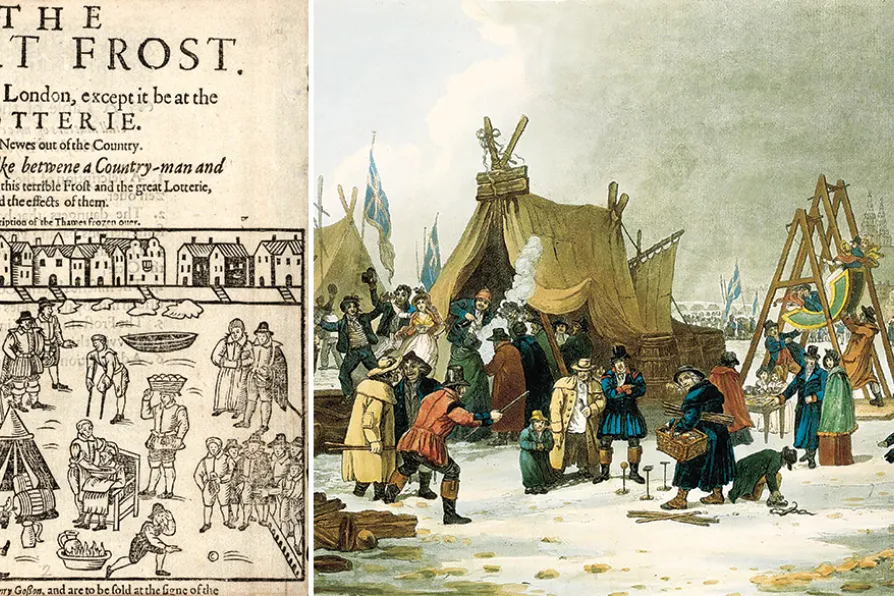 (L to R) An account of the Frost Fair of 1608, the first frost fair to be called that - printed at London: For Henry Gosson, 1608; The Frost Fair of 1814, painted by Luke Clenell
[(Left) Attributed to Thomas Dekker Dekker at Houghton Library Harvard University/CC]
(L to R) An account of the Frost Fair of 1608, the first frost fair to be called that - printed at London: For Henry Gosson, 1608; The Frost Fair of 1814, painted by Luke Clenell
[(Left) Attributed to Thomas Dekker Dekker at Houghton Library Harvard University/CC]
MATTHEW HAWKINS explores the initiatives proposed by HEALING ARTS SCOTLAND
ALEX HALL welcomes an analysis of how modern capitalism is deeply intertwined with emotions, and their manipulation
MARTIN GRAHAM welcomes a statistical analysis of how much tax the super-rich pay, and foresees that the demand will flush out their agents
RICHARD WORTH relishes the fleeting moment and sense of flow of the late, great saxophonist
DENNIS BROE notes the thin, unfunny and apolitical quality of the gruel dished up by the US networks and studios for mass consumption
BARBARA BOSWELL remembers South African poet, storyteller, publisher, editor and activist Diana Ferrus (1953-2026)


SKATING rinks, funfairs and booths serving hot food and drink spring up across many cities in December. But these festivities aren’t a modern phenomenon — they’re rooted in the frost fairs of our past, held on London’s River Thames from the 1600s until 1814.
Frost fairs are associated with the “little ice age” — the long periods of bitter European winters between the 14th and 19th centuries. Although climatic conditions enabled the ice to freeze in a certain way, they weren’t the only part of the story.
Frost fairs presented economic opportunities during times of hardship. Tented encampments sprung up across the River Thames to house the city’s imperative — trade.

Similar stories
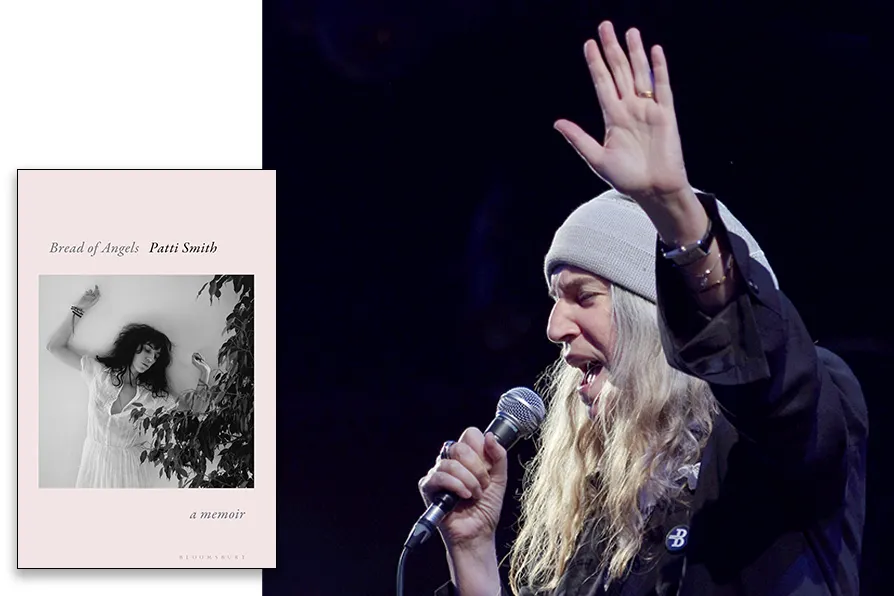
JULIA TOPPIN recommends Patti Smith’s eloquent memoir that wrestles with the beauty and sorrow of a lifetime
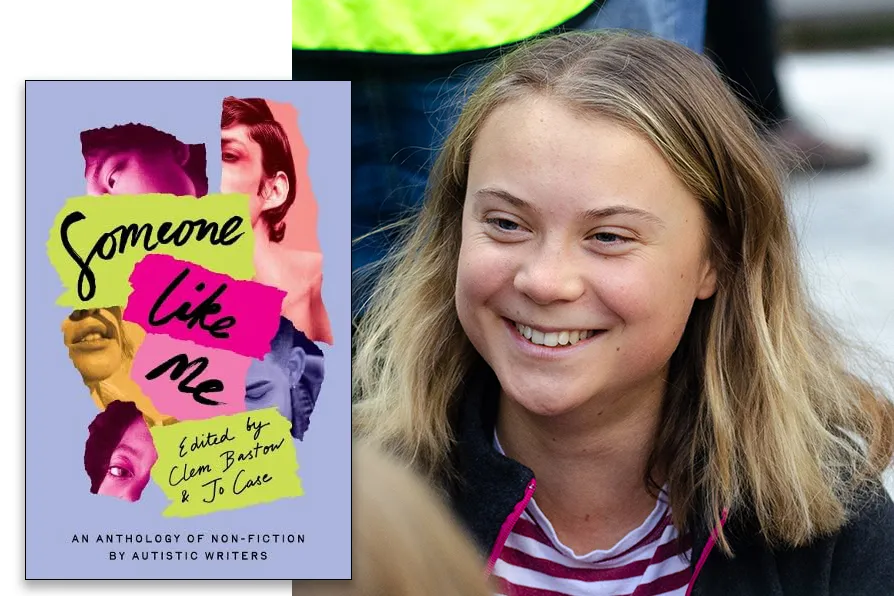
JOSEPHINE BARBARO welcomes a diverse anthology of experiences by autistic women that amounts to a resounding chorus, demanding to be heard
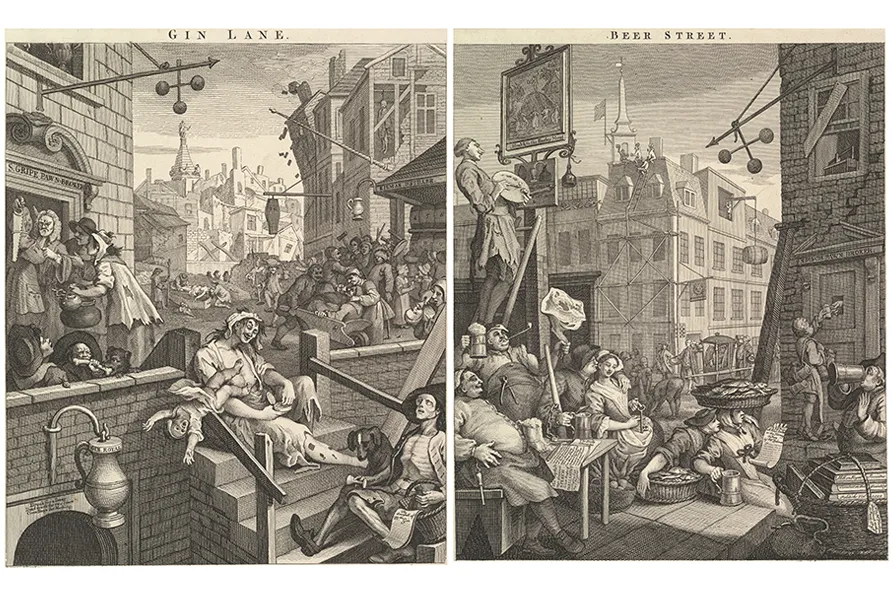
Gin Lane by William Hogarth is a critique of 18th-century London’s growing funeral trade, posits DAN O’BRIEN
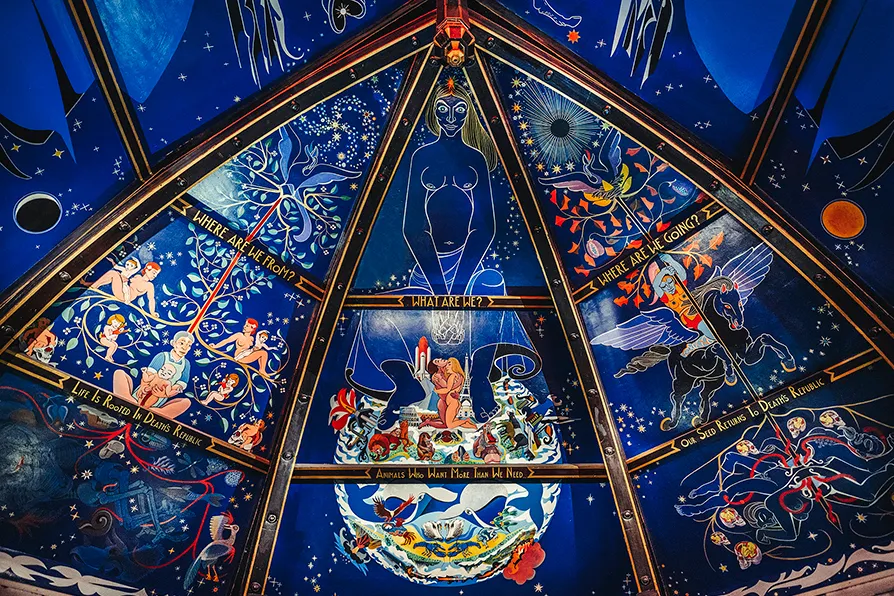
BLANE SAVAGE recommends the display of nine previously unseen works by the Glaswegian artist, novelist and playwright