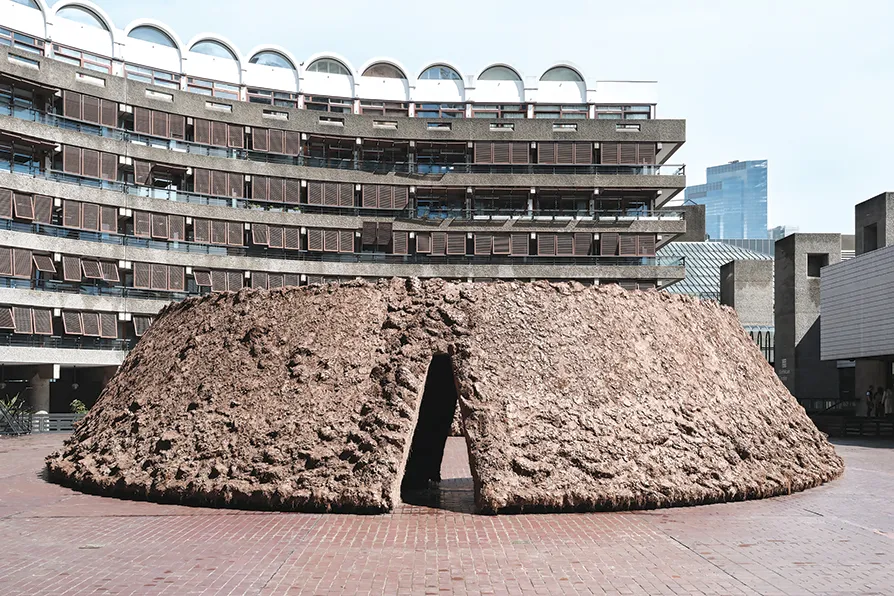
MICHAL BONCZA recommends a minimalist installation that prompts intriguing connotations


 Latest editorial
The mechanics of revolutionary cinema
MARTIN HALL reflects on the enduring significance of Soviet film and the dialectical method of montage
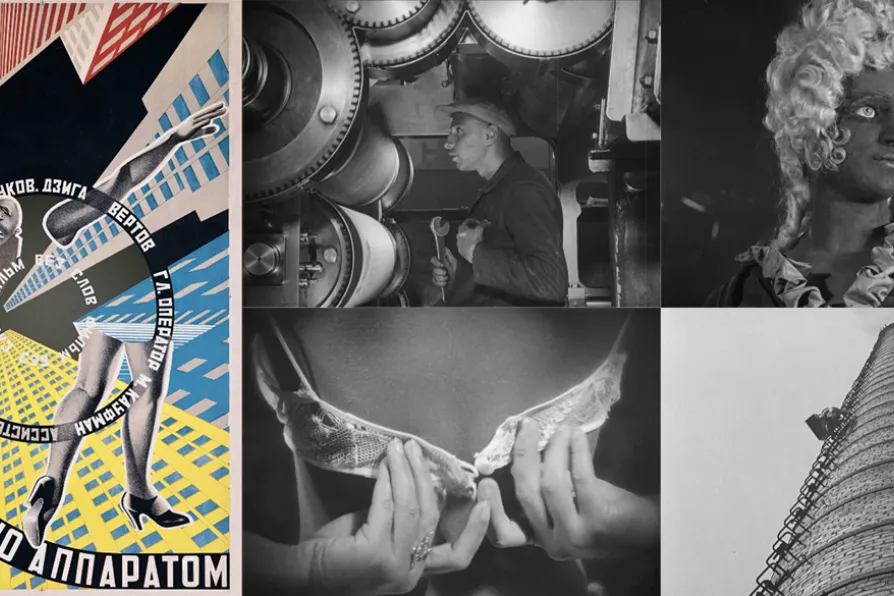 MASTERPIECE: Original poster and stills from Dziga Vertov's Man With Movie Camera
[IMDb]
MASTERPIECE: Original poster and stills from Dziga Vertov's Man With Movie Camera
[IMDb]
FIONA O’CONNOR questions the achievement of this year’s Orwell prize winner for political fiction
LEO BOIX reviews two powerful Latin American novels in which myth and crime fiction expose the deadly consequences of patriarchy, clandestine abortion and state violence
New releases from Laura Veirs, The Waterboys, and Yard Act
Ron's rages are sincere and — according to his wife — healthily cathartic. But can these splenetic outbursts loosen the grip of capitalism at its most monstrous?
ANGUS REID considers the power of the podcast as a vehicle for consensus building in opposition to mainstream media narratives


WHEN Lenin, according to Lunacharsky, the Soviet Union’s first Commissar for Education, referred to film in 1922 as “the most important of the arts,” he wasn’t simply expressing a preference for one art form over another. Rather, he was acknowledging that in a country of differing ethnicities and high levels of illiteracy, cinema provided the simplest and most effective medium for political education; in particular, the distribution of revolutionary propaganda.

Similar stories
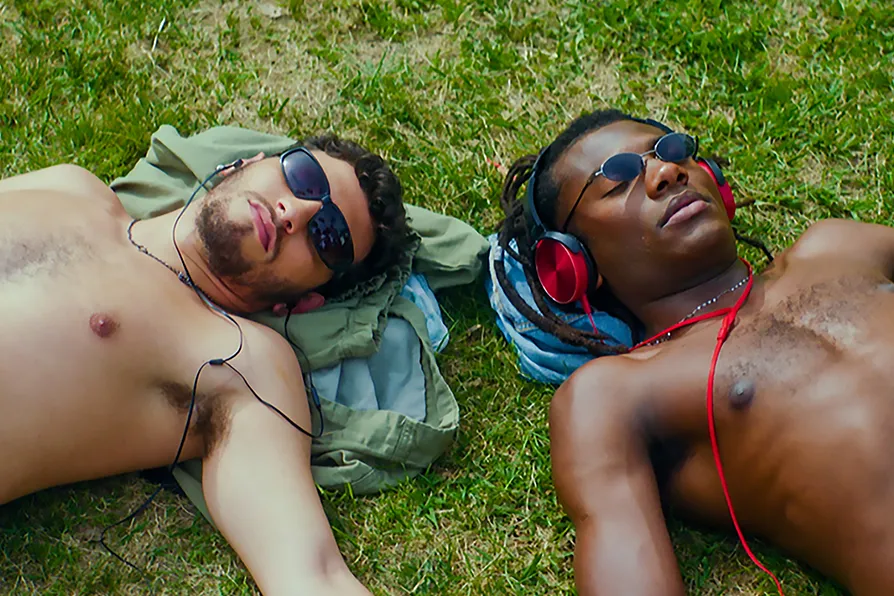
LEO BOIX, ANGUS REID and MARIA DUARTE review Night Stage, Two Women, Kim Novak’s Vertigo, and Fuze
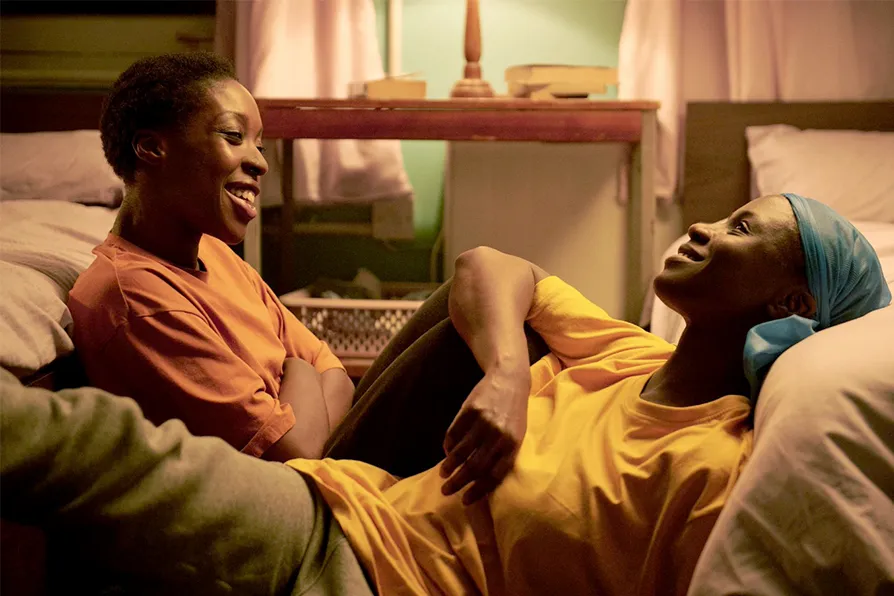
LEO BOIX, ANDY HEDGECOCK and MARIA DUARTE review Dreamers, It Was Just An Accident, Folktales, and Eternity
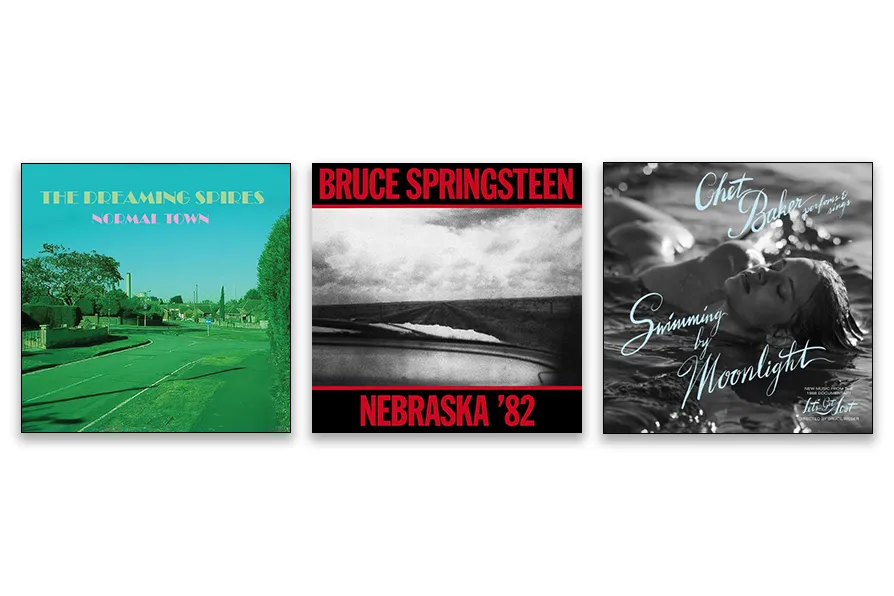
New releases from The Dreaming Spires, Bruce Springsteen, and Chet Baker
ANDY HEDGECOCK and MARIA DUARTE review The Ceremony, Eddington, The Life of Chuck, and The Thursday Murder Club