MICHAL BONCZA recommends a minimalist installation that prompts intriguing connotations


 Latest editorial
Corrupt mayors and treacherous camboys
DENNIS BROE recommends two new series on Apple TV for their examination of inequality and skewed morals
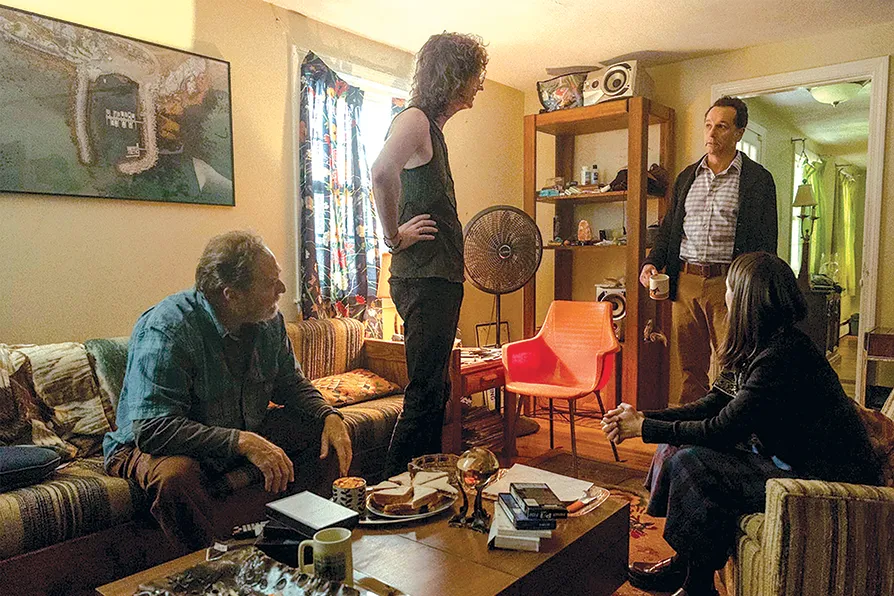 Matthew Rhys, Stephen Root, Kate O'Flynn, and Chris Fleming in Widow's Bay (2026) / pic: IMDb
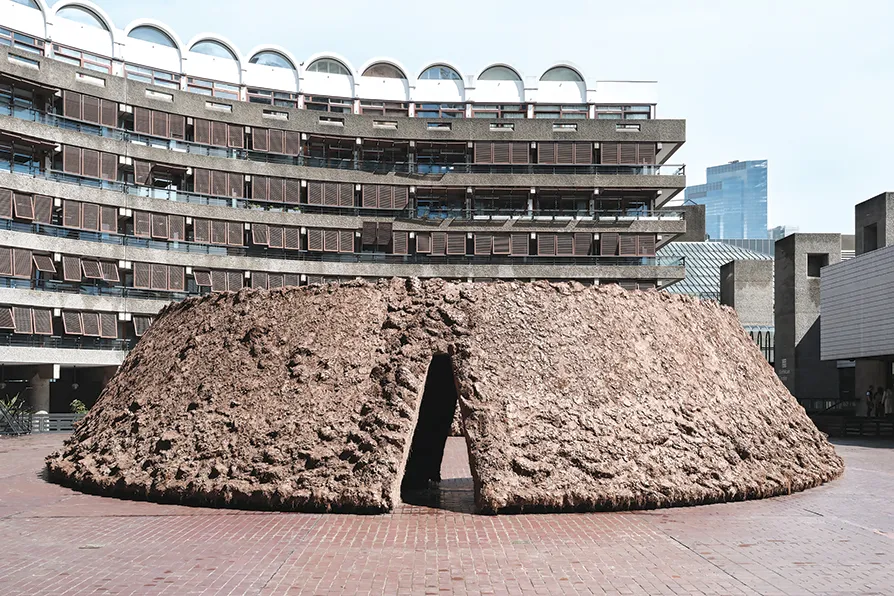
FIONA O’CONNOR questions the achievement of this year’s Orwell prize winner for political fiction
LEO BOIX reviews two powerful Latin American novels in which myth and crime fiction expose the deadly consequences of patriarchy, clandestine abortion and state violence
New releases from Laura Veirs, The Waterboys, and Yard Act
Ron's rages are sincere and — according to his wife — healthily cathartic. But can these splenetic outbursts loosen the grip of capitalism at its most monstrous?
ANGUS REID considers the power of the podcast as a vehicle for consensus building in opposition to mainstream media narratives


TWO new Apple TV series offer — though in disguised form — a critique of contemporary global inequality and the skewed morals which, in mainstream media, accompany that imbalance.
Widow’s Bay is a comic horror series set on a mythic island in the north-east of the US that the mayor (The Americans’s Matthew Rhys), the focal point of the show, wants to turn into the next Martha’s Vineyard. The problem is the island is haunted not only by its religious, misogynist and colonial past, but also by serial killers in its less remote past.
The residents, led by a salty ex-sea captain and a quirky mayoral aide — unpopular in high school and mocked because she survived a serial massacre — continually warn the mayor not to go ahead with his mass tourism project. He remains largely oblivious to their warnings until slowly, episode by episode, he begins to acknowledge that not every island can be turned into a tourist paradise.
It’s the same lesson Ivanka Trump and Jared Kushner are being taught by a mass movement of Albanian street protesters in their attempt to create a billionaire’s haven which just happens to be also a strategic waterway connecting the Adriatic and the Mediterranean. The problem of mass tourism is also overwhelming Madrid, which the Madrilenos are now desperately attempting to keep from being another Barcelona: yes, an international city, but one which every day loses more and more of its authentic flavour. Or Bali, where new luxury hotels and condos everyday eviscerate a unique and lively Hindu culture.
Rhys’s character Tom, who attempts affability and frequently fails at it as he becomes more obsessed with transforming “his” island, is the type frequently encountered in non-American series, and particularly in Scandi-noir: the villainous figure of the real estate developer, here disguised as the mayor who supposedly just wants the best for his town.
These are always figures of disgust in European series, attempting to corrupt the locals with their dreams of privileged expansion.
It is ingenious to put a villainous figure at the centre of the series and have audiences rooting as much for as against him. On the one hand, it’s a sneaky way of validating progress for profit (in this case the tourism industry dragging the town into the 21st century) but, on the other, it’s a warning that the sanctity of place, even, as in this case, one with its rotten secrets, is not to be tampered with.
The consequences are disastrous, and in the two-part finale the tourists expecting a luxurious experience are instead trapped underground. The island rages against them in a storm outside, and as we watch Cape Cod turned into Amityville.
Just as penetrating in its own way is Maximum Pleasure Guaranteed where a superb Tatiana Maslany (from Orphan Black) is punished unceasingly for daring to want to have no-strings sex with a cam boy, an online adult entertainer.
What begins as physical pleasure without guilt, quickly morphs into Paula being attacked, having to learn how to defend herself, and then being arrested for defending herself.
There is an element here of the old American puritanical guilt, that any sex outside of marriage or hardcore commitment leads to disaster, but this is not the overriding point of the series. Paula is trapped in a conventional lifestyle. She loves her daughter whom her former husband and his conniving partner are trying to wrest from her.
She resists and flees the suburban corporate mother image which does not hold for her. She refuses to go along as window dressing to her husband’s boss’s party where she is chastised for mispronouncing the name of one of the other Stepford wives as Kirsten rather than “Kiersten”, while all the time wanting a more playful sex life that her husband is unable to offer.
This is the “hysterical woman” of Freud’s Vienna of the early 20th century here persecuted for stepping outside the rigid boundaries of a stereotype which has seemingly changed little in over a century.
Her bucking that rigidity leads to potentially devastating consequences not just with her daughter but with the law.
The other prominent point of the series is that Paula expects the people she encounters to be decent, but instead what she meets everywhere are the ruthless but respectable denizens of a profit-driven society.
These include the male cop who determines her guilt mainly by judging the way she acts outside the norm; her ex’s partner who fixes the judge for their custody battle; and her co-worker who seemingly helps her only to betray her by using her plight to get ahead as a journalist, and complimented by her editor for being a “Machiavellian backstabber” and learning the lesson that “a real journalist has no friends.”
If this is the return of The Stepford Wives, were they ever away?
All this is initiated by the original transgression, her betrayal by the cam boy, because later she is told he saw her love for her daughter as an “exploitable weakness.”
Maximum Pleasure is extraordinarily well-written, and episode 6 pays off in a shocking and novel way. Checkov’s dictum was that a gun that appears in Act 1 must go off in Act V. And boy does it detonate.
Follow Dennis Broe’s pocast, Lies, More Lies and Damned Media Lies on Substack https://liesmoreliemedialies.substack.com/ , YouTube https://www.youtube.com/@LiesMoreLiesandDamnedMediaLies and Apple Podcasts.

Similar stories
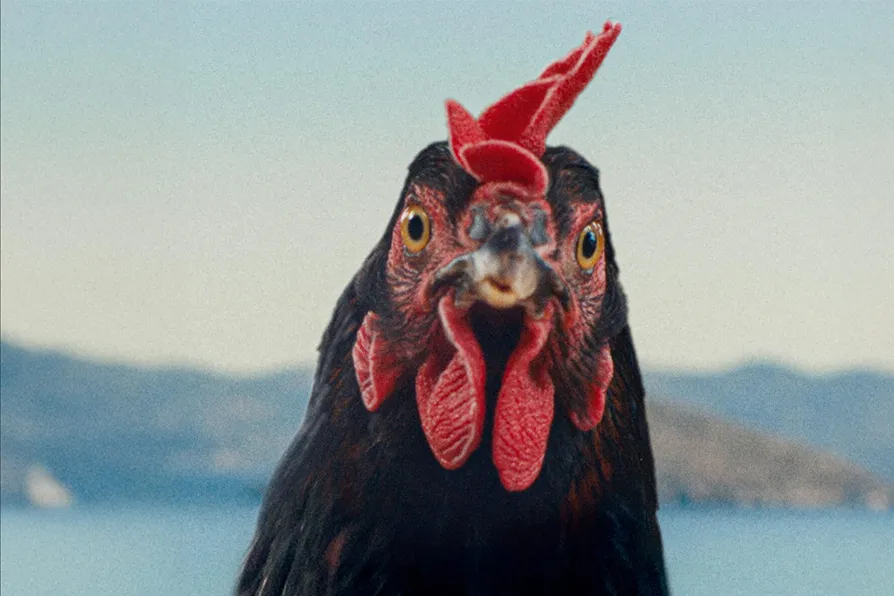
ANDY HEDGECOCK is astonished by a portrait of contemporary Greece, complete with political protest, organised crime and people trafficking, told from the point of view of — wait for it — runaway poultry
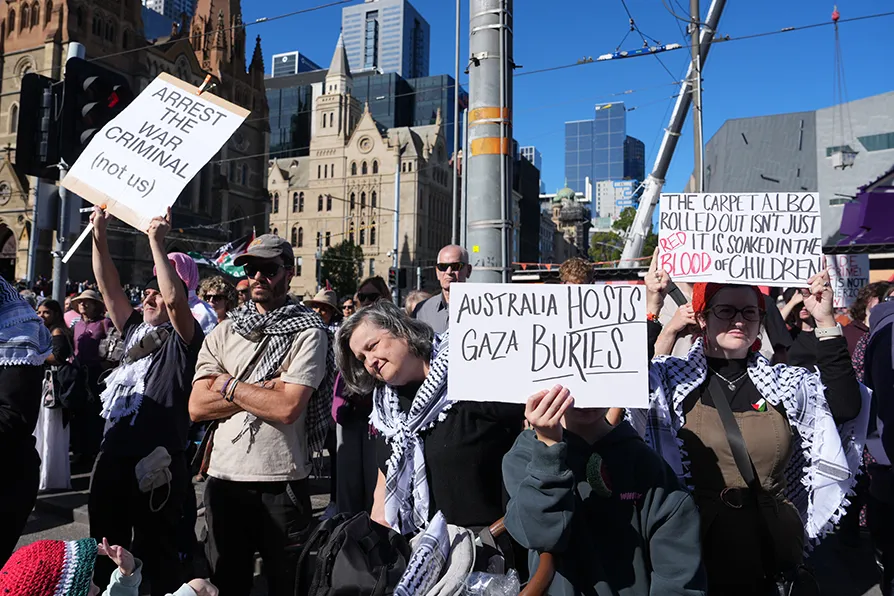
DENNIS BROE points out that two popular TV series promote police violence and disguise it as ‘fun’

DENNIS BROE finds much to praise in the new South African Netflix series, but wonders why it feels forced to sell out its heroine
DENNIS BROE enjoys the political edge of a series that unmasks British imperialism, resonates with the present and has been buried by Disney