The greatest threat to democracy may no longer come from political parties but from unelected tech oligarchs like Peter Thiel and his powerful Silicon Valley network, argues JOHN GREEN


 Latest editorial
Cuba's passion for education is an inspiration to all
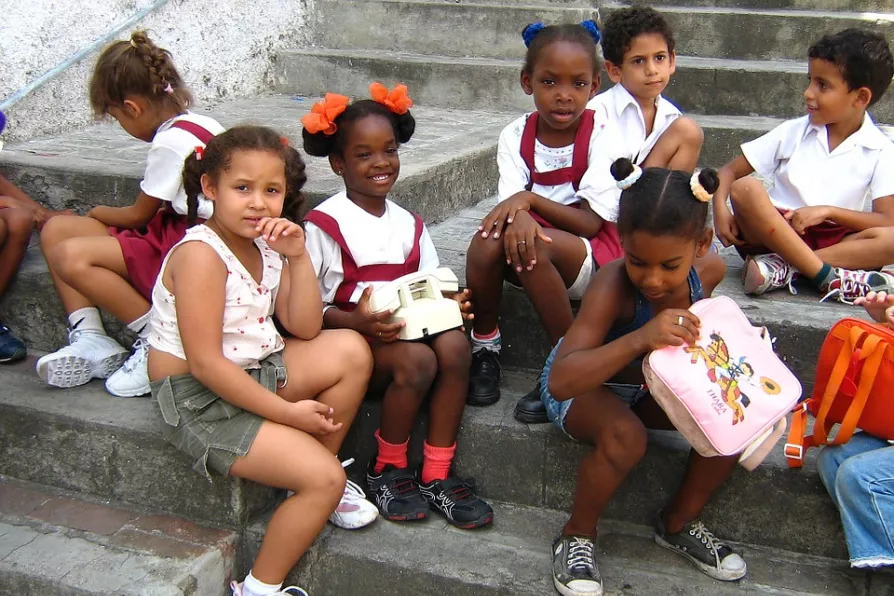 Cuban primary schoolchildren
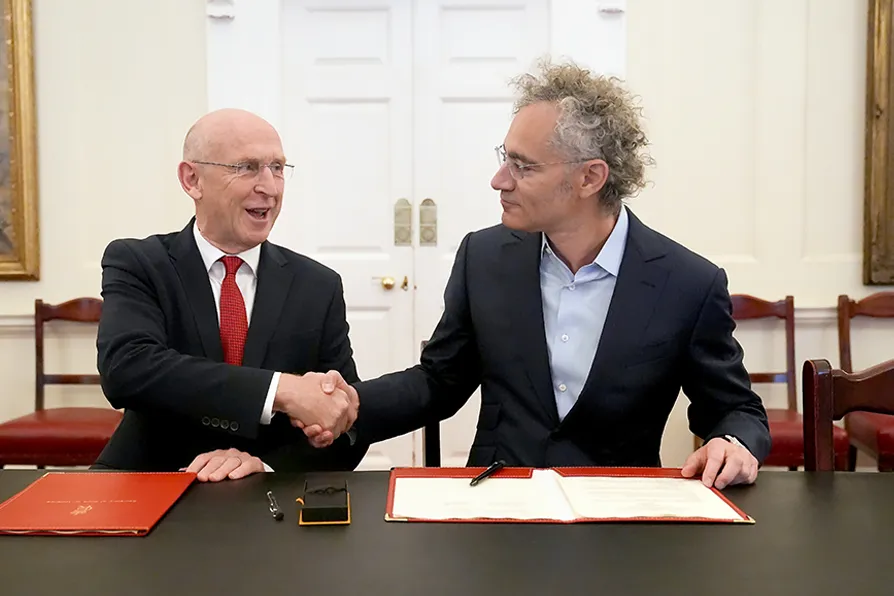
Today’s interconnected conflicts are enriching the arms industry while pushing the entire world towards permanent militarisation, argues ROGER McKENZIE
by Nana Backland, Merseyside Morning Star Readers & Supporters Group
The government’s Pip review looks like a carefully managed exercise in legitimising future cuts to disability support, argues Dr DYLAN MURPHY
The Tories introduced the 50% strike ballot threshold to make industrial action harder. MATT WRACK argues that a Labour government has no justification for leaving it on the statute book


FROM the very first days of the revolution education became a priority.
In 1953, around half a million or 44 per cent of children between the ages of six and 14 were without schools, only 17 per cent of 15-19-year-olds attended formal education and more than one million people were illiterate.
The situation deteriorated in the countryside. Only 7 per cent of teenagers in rural areas went to school compared to 30 per cent in Havana. At the same time 10,000 teachers were out of work. The black population, suffering from the legacy of slavery and the institutionalised racism of Spanish imperialism, fared even worse.

Similar stories

The real ‘humanitarian threat’ isn’t Cuba but the United States, where poverty, lack of healthcare and illiteracy abound, writes LINDA PENTZ GUNTER
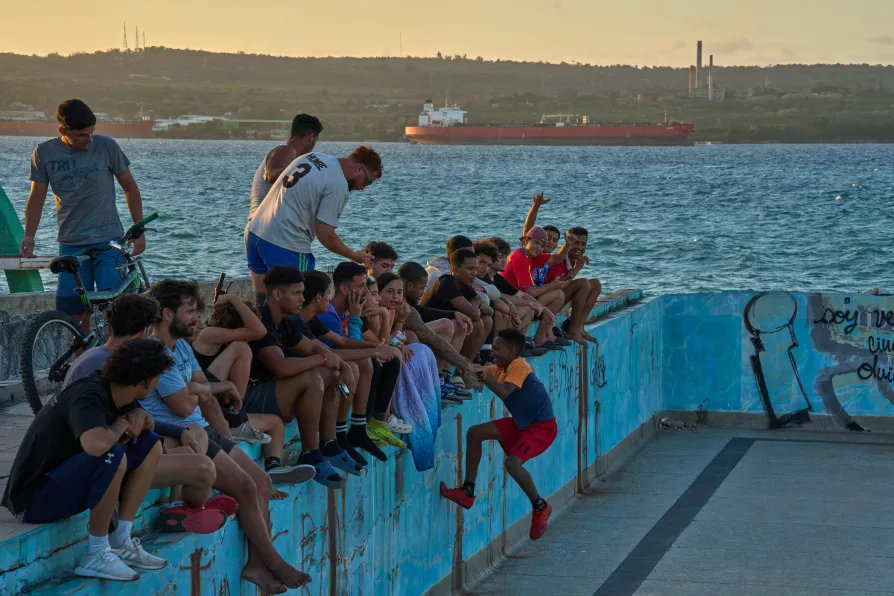
CLAUDIA WEBBE says the US is tightening the noose to destroy Cuban socialism — the need for immediate, international solidarity is urgent
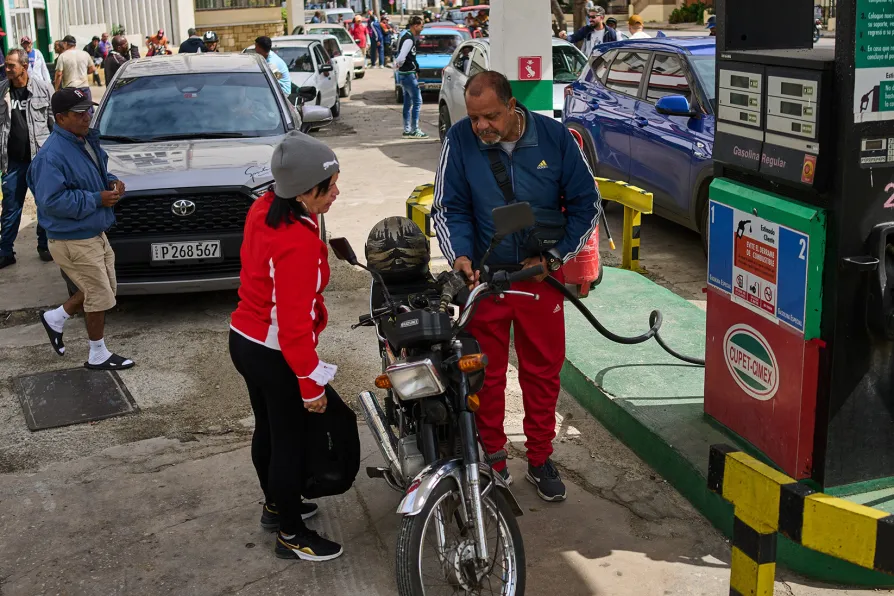
On January 29, US President Donald Trump declared Cuba an ‘unusual and extraordinary threat’ to US national security and tightened the blockade against the island nation MANOLO DE LOS SANTOS reports
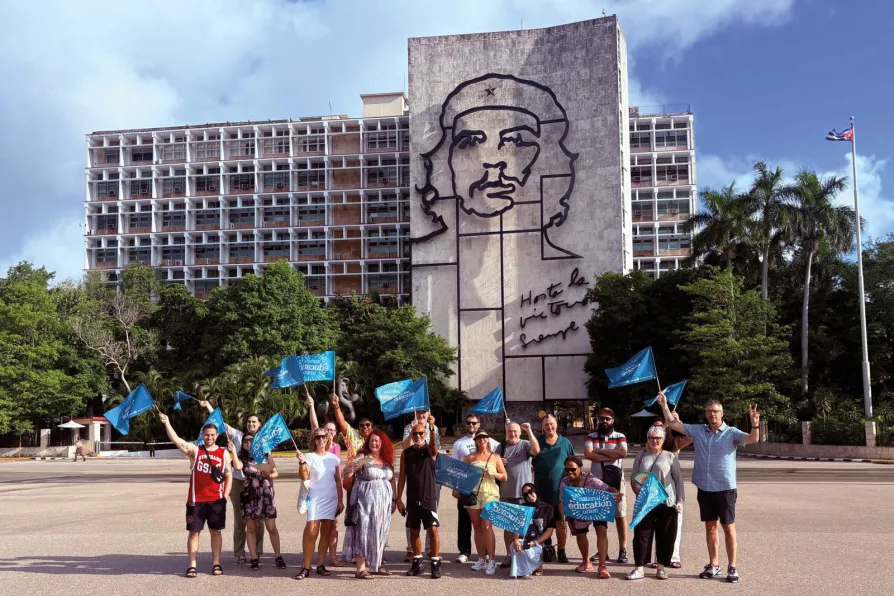
A teaching delegation to Cuba offered IAN DUCKETT a powerful glimpse into a schooling system defined by care, creativity and the legacy of the island’s remarkable 1961 literacy campaign