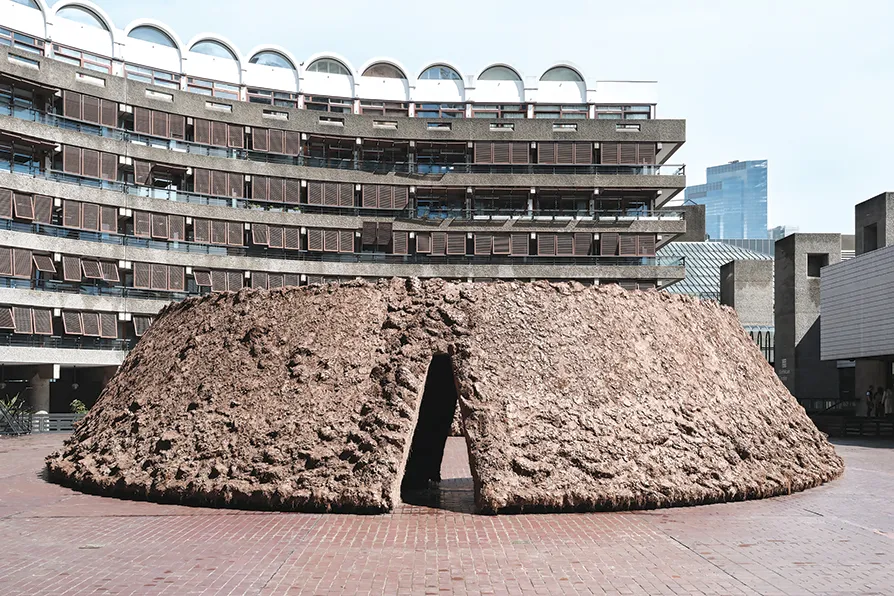
MICHAL BONCZA recommends a minimalist installation that prompts intriguing connotations


 Latest editorial
Dangerous vagueness
JONATHAN TAYLOR excavates the paradox that underlies Burgess’s ambivalent attitude to music
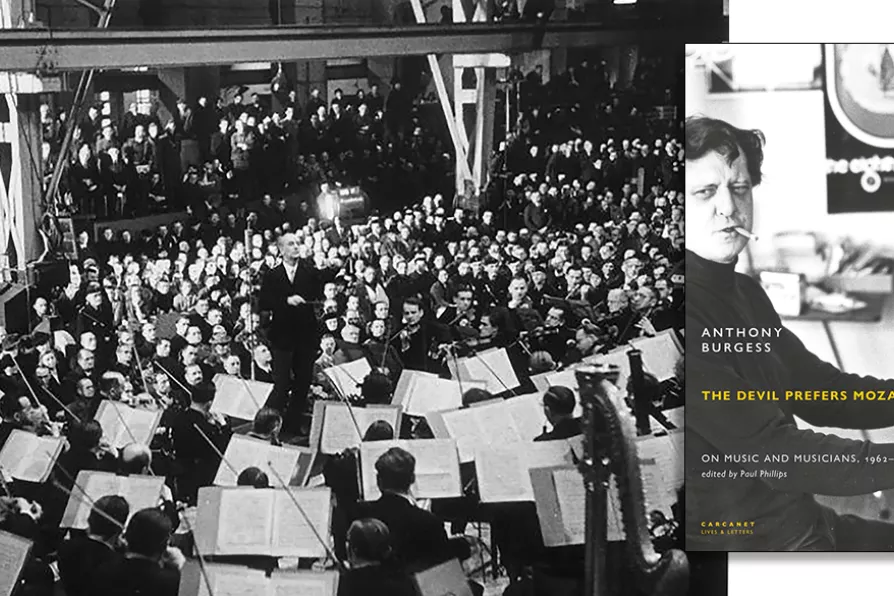 NAZI ASPIRATIONS: Wilhelm Furtwangler conducting the Berlin Philharmonic in a "work-break" concert at AEG in February 1941, organized by the Nazi Strength Through Joy program
[Bundesarchiv/CC]
NAZI ASPIRATIONS: Wilhelm Furtwangler conducting the Berlin Philharmonic in a "work-break" concert at AEG in February 1941, organized by the Nazi Strength Through Joy program
[Bundesarchiv/CC]
FIONA O’CONNOR questions the achievement of this year’s Orwell prize winner for political fiction
LEO BOIX reviews two powerful Latin American novels in which myth and crime fiction expose the deadly consequences of patriarchy, clandestine abortion and state violence
New releases from Laura Veirs, The Waterboys, and Yard Act
Ron's rages are sincere and — according to his wife — healthily cathartic. But can these splenetic outbursts loosen the grip of capitalism at its most monstrous?
ANGUS REID considers the power of the podcast as a vehicle for consensus building in opposition to mainstream media narratives


The Devil Prefers Mozart: On Music and Musicians, 1962-1993
Anthony Burgess, Carcanet, £30
IN old age, one of violinist Yehudi Menuhin’s mottos was: “My life has been spent in building utopias.” Author, musician and critic Anthony Burgess might be said to have done the opposite, given that his most well-known creation is a work of dystopian fiction. Yet Burgess later disavowed A Clockwork Orange, and wanted to be seen instead as a serious composer.
In The Devil Prefers Mozart, a fascinating collection of the author’s musical writings, brilliantly edited and contextualised by Paul Phillips, Burgess often seems to aspire to Menuhin’s utopian condition. In a review of the violinist’s autobiography, for example, he cites Menuhin’s life motto approvingly, and declares in response: “In Britain’s present cacotopia may he continue to rule an enclave of virtue and beauty.”
As many people have pointed out, though, the problem with utopias is that they are subjective: one person’s utopia is another’s dystopia; and sometimes, utopia and cacotopia might even co-exist within the same person’s vision.

Similar stories
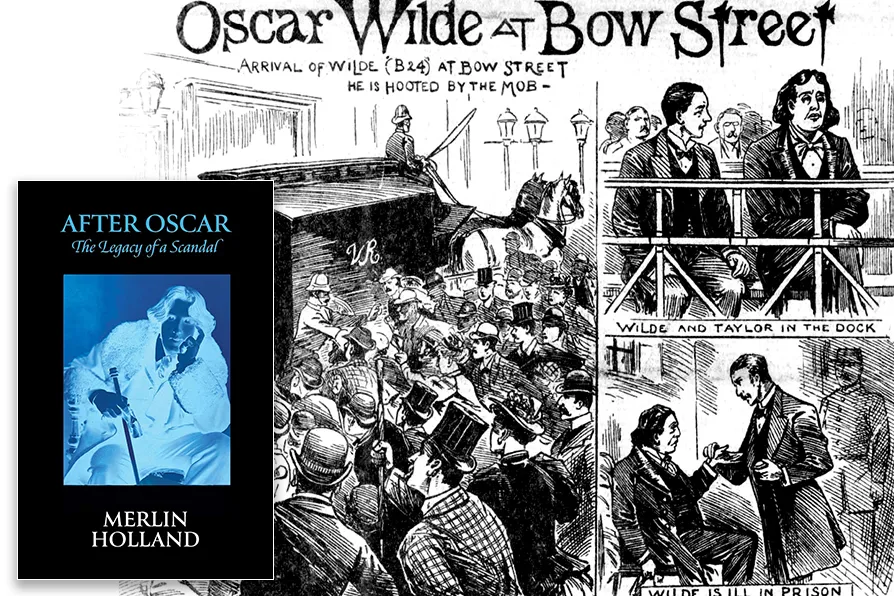
MARJORIE MAYO welcomes an account of family life after Oscar Wilde, a cathartic exercise, written by his grandson
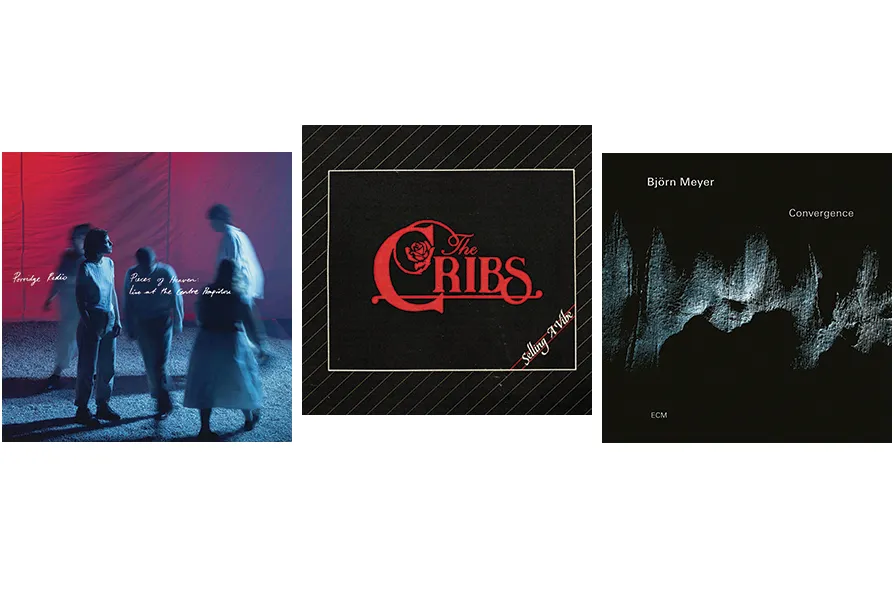
New releases by Porridge Radio, The Cribs, and Bjorn Meyer
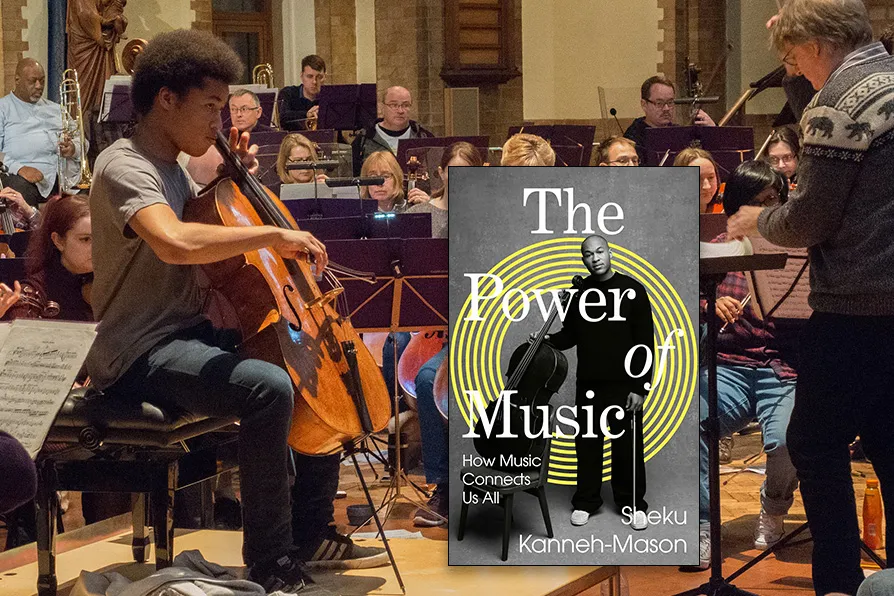
JONATHAN TAYLOR appreciates how, for a black British musician, to walk onstage can be a rebellious act

JONATHAN TAYLOR attempts to disentangle the mind, self and political opinions of a successful bourgeois novelist