

 Latest editorial
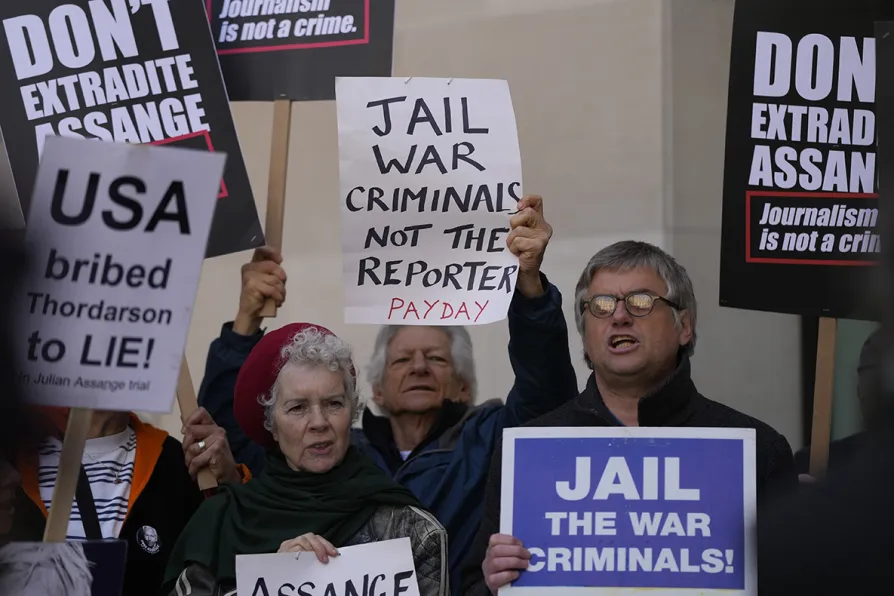 Wikileaks founder Julian Assange supporters hold placards as they gather outside Westminster Magistrates court In London, Wednesday, April 20, 2022



EARLIER this year Boris Johnson caused uproar when he accused Labour’s Sir Keir Starmer of “prosecuting journalists and failing to prosecute Jimmy Savile” while director of public prosecutions.
Establishment outrage at the reference to Savile extended to resignations from the Prime Minister’s own team. It was widely echoed on the left.
The sheer hypocrisy of a Conservative trying to tar Labour with complicity in the notorious paedophile’s lifelong impunity stuck in the throat, given Savile’s close ties to top Tories including Margaret Thatcher herself.
Far less attention was paid to the first part of Johnson’s accusation — though it was just as hypocritical. The PM is believed to have been referring to Wikileaks founder Julian Assange, and Starmer’s infamous injunction to Swedish prosecutors not to get “cold feet” over seeking his arrest.
But if Starmer’s behaviour was shameful, the persecution of Assange has been a political choice by Conservative governments.
That reality can no longer be masked now Assange’s case has been passed to Home Secretary Priti Patel.
Varying tactics have been deployed by Assange’s lawyers, well-wishers and supporters in the long legal fight — which is not over — to stop him being deported to the United States to face up to 175 years in jail for exposing war crimes.
But what is now needed is a political campaign to free Assange big enough to frighten ministers off enforcing Washington’s revenge.
The campaign faces an uphill struggle. Unlike when Jeremy Corbyn was Labour leader, it cannot count on the opposition to challenge the government on its connivance in a blatantly political — and therefore illegal — extradition.
But the reasons the Westminster Establishment are united against Assange are the very reasons freeing him is so important.
The work of Wikileaks in exposing war crimes by the US and its allies, from the “collateral murder” video showing a US helicopter crew laughing as they machine-gunned civilians in Iraq, to the war logs showing the huge numbers of civilian victims of Nato bombing in Afghanistan, is of incalculable value now Russia’s invasion of Ukraine has prompted spiralling nationalism, militarism and authoritarianism across the West.
Starmer tries to ban support for the Stop the War Coalition — organiser of the largest march in British history, the February 15 2003 demonstration against the invasion of Iraq — on the grounds that it posits a “false equivalence” between Russian aggression and the behaviour of Nato.
Reports of war crimes by Russian forces in Ukraine are used to portray its armies as uniquely evil (though a report by the Organisation for Security and Co-operation in Europe acknowledged that there is also evidence of war crimes by Ukrainian troops).
After the shocking bombing of a hospital in Mariupol, a BBC reporter stated that “this is what the Russians do,” pointing to bombings in Syria as evidence.
The deeper truth this demonisation of the enemy hides is that this — killing civilians — is what wars do. The Saudis bomb hospitals in Yemen, with British equipment and logistical support. The French bombed weddings in Mali. The Australians murdered prisoners in Afghanistan. According to the International Criminal Court prosecutor looking into British behaviour in Iraq, there was a “reasonable basis” for believing that British troops were involved in wilful killing, torture, rape and a range of other crimes.
Assange is being punished for his role in exposing crimes like these. For holding a mirror up to Western powers whose record of savagery is as grim as anything their rivals are accused of.
Their response is to try to lock him up permanently while all the power of the digital monopolies is brought to bear to silence anti-Establishment voices and criticism of Western foreign policy.
That’s why the cause of Assange is now the cause of peace, as well as of free speech. Causes under threat in a world that is getting dark.

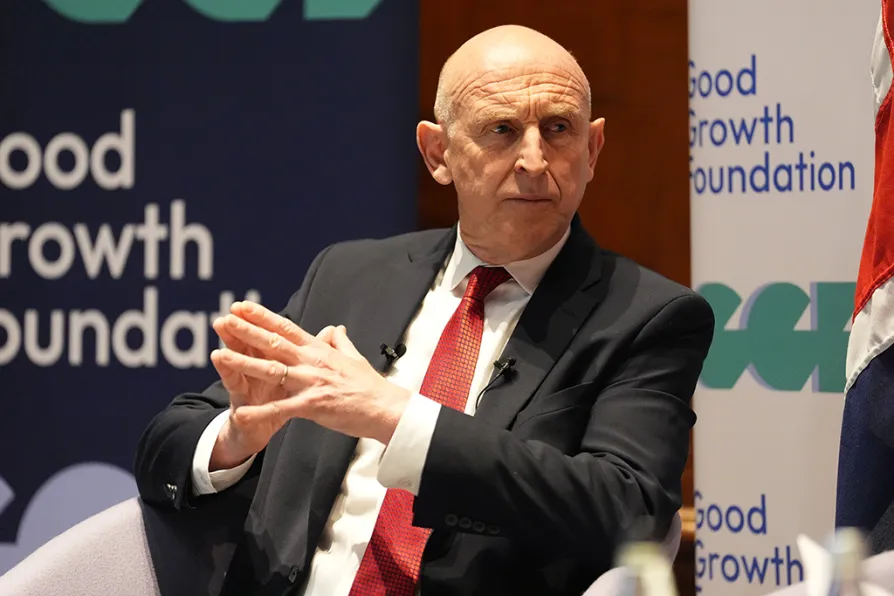
The defence secretary’s resignation reveals not a split over principle but a dispute over pace of military spending, as Britain’s political Establishment unites behind deeper Nato commitments, argues NICK WRIGHT
![[Pic: Andrew Wiard]](https://morningstaronline.co.uk/sites/default/files/styles/desktop/public/2026-01/19860330_a_wiard_0001JPG.jpg.webp?itok=nkzZbinE)
As advertising drains away, newsrooms shrink and local papers disappear, MIKE WAYNE argues that the market model for news is broken – and that public-interest alternatives, rooted in democratic accountability, are more necessary than ever
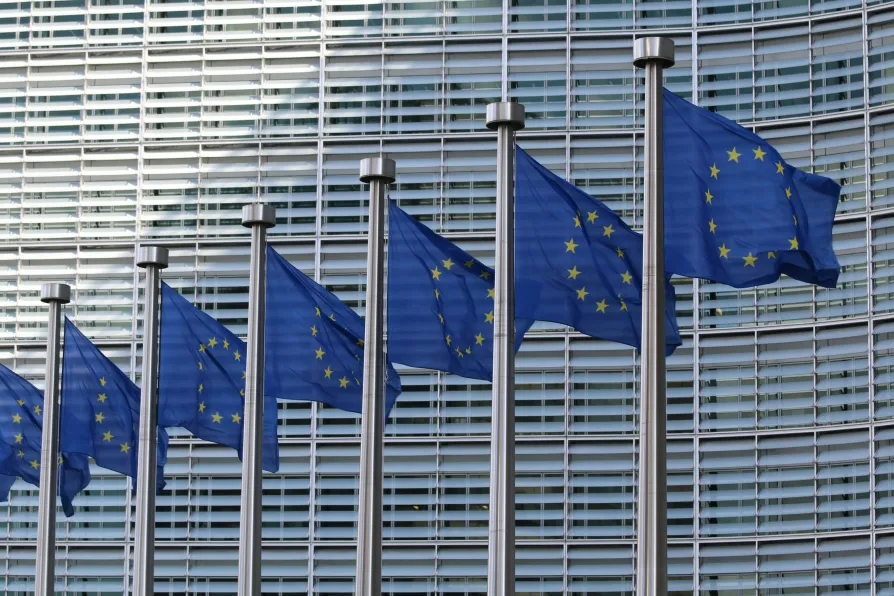
Starmer sabotaged Labour with his second referendum campaign, mobilising a liberal backlash that sincerely felt progressive ideals were at stake — but the EU was then and is now an entity Britain should have nothing to do with, explains NICK WRIGHT

From nuclear bomb storage in the 1950s to surveillance flights over Gaza today, the Cyprus base has enabled seven decades of machinations so heinous that Starmer once blurted out ‘we can’t tell the world’ what goes on there, writes NUVPREET KALRA