

 Latest editorial
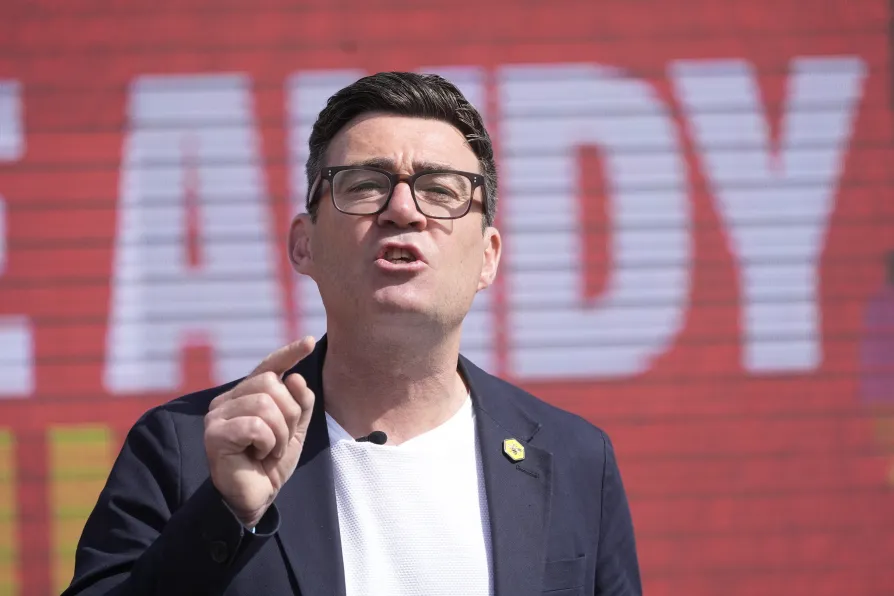 SUCCUMB TO PRESSURE? Andy Burnham
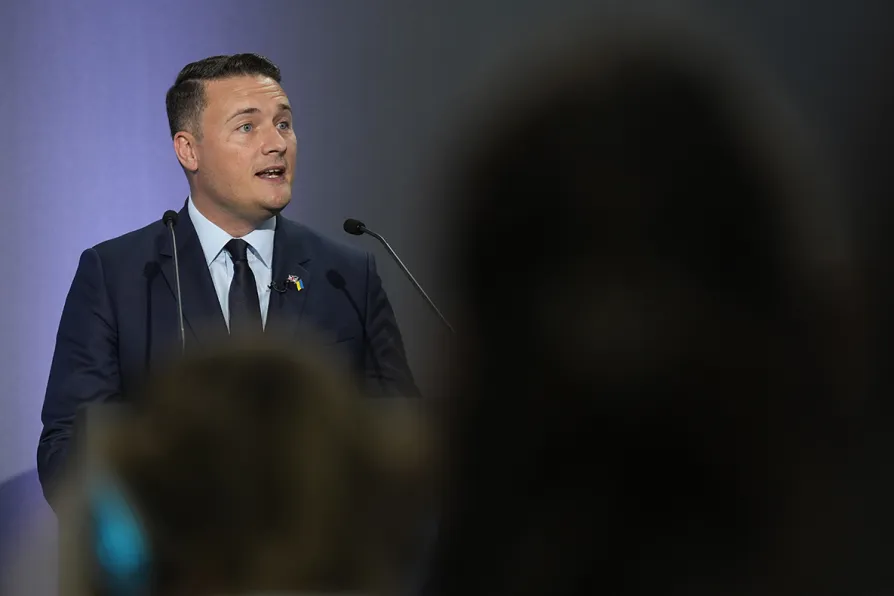
Waiting for the grander vision to emerge


BRITAIN’S military-industrial complex, from military and intelligence chiefs to British and US arms corporations, are determined to squeeze every last billion from the Labour government’s budget, whether from the sick, the disabled, the unemployed or pensioners.
The state, capitalist mass media and capitalism’s paid-for politicians are determined that no dissenting voice will be heard challenging their predictions of imminent catastrophe should the Tory-Labour rearmament drive fail to accelerate.
It would appear that Britain’s atomic arsenal of more than 220 nuclear warheads, each one capable of inflicting eight Hiroshimas on the (Russian or Chinese) “enemy,” is not quite the “supreme deterrent” we have been led to believe.
We need to spend more, say the “defence correspondents,” pundits and politicians who fill up television screens that can find no room for the huge European Peace Conference held in London last weekend.
Will Burnham give in to this relentless war-mongering waged by President Trump, the gutter press, the BBC, the Tory Party, Lib-Dem leader Ed Davey and — judging from Tuesday’s “defence” debate in the Commons last Tuesday — much of the Parliamentary Labour Party?
Even Plaid Cymru’s prime minister in Wales seems to be wobbling.
Rhun ap Iorwerth’s disingenuous response to a Labour challenge in the Senedd was to say that Plaid has “never advocated or suggested that the UK should pull out of Nato” and that an independent Wales would decide on “what kind of association or membership it should have” with the US-led alliance.
For the record, Plaid Cymru’s policy on Nato has long been for withdrawal, not for any kind of full or associate membership of any kind by anyone.
Nobody expects Andy Burnham to adopt such a stance. But will he feed the insatiable Nato war machine with the benefits and pensions of millions of the poorest and most vulnerable people in England, Scotland and Wales?
Which brings us to the other element in the Nato-EU bloc confronting Andy Burnham with fateful choices.
How far will he go towards reversing the outcome of the 2016 EU referendum? Again, the mass media has been filled with faces telling us how Brexit has been a “catastrophe” for the economy and peoples of Britain.
What is never explained is how any renewed submission to EU treaties and rules would make it all but impossible for a new prime minister to rebuild Britain’s industrial base, create a million and more productive jobs, transform our ageing and polluting infrastructure and — most importantly for Burnham’s support base — regenerate our “left behind” regions, economically and socially.
From the late 1940s until EU membership in the early 1970s, the UK operated regional development policies designed to assist older industrial and depopulated rural areas to catch up with wealthier parts of the Midlands and southern and south-east England. A patchwork of development and special development areas benefited from a range of grants, loans and subsidies to attract enterprises and jobs. Companies wishing to invest or expand in wealthier regions were directed to those more in need by a battery of industrial development certificates and office development permits.
This narrowed the regional inequalities gap, without closing it altogether, But every aspect of the policy had to be dismantled to comply with EU rules, notable those for the free movement of capital and the corporate right of establishment. Britain’s post-war system of agricultural support was abolished for similar reasons.
Burnham should reject those siren voices from the Nato-EU bloc that prioritise militarism and neoliberalism over a real programme for the people.
