

 Latest editorial
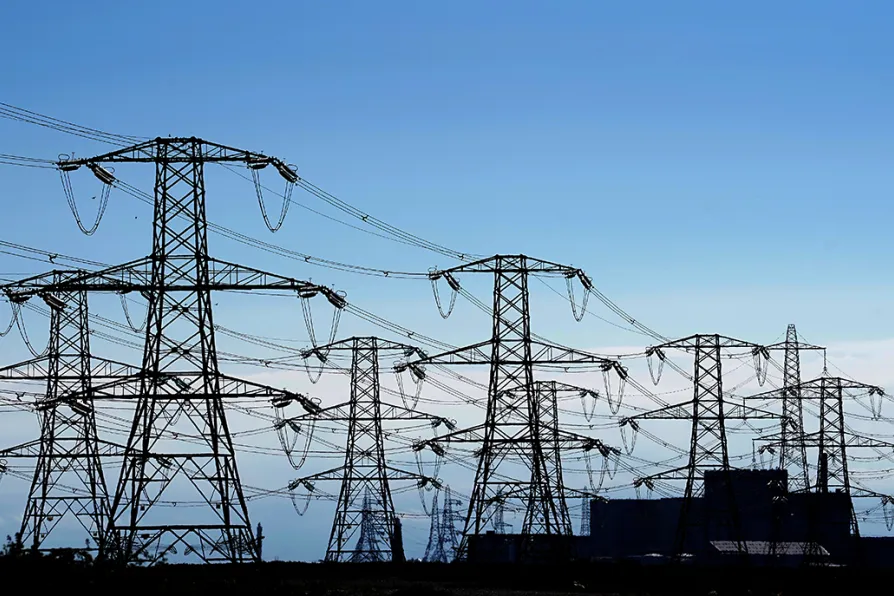 Electricity pylons run across Romney Marsh in Kent from Dungeness nuclear power station.


THE chief executive of the Office of Gas and Electricity Markets is not only the bearer of bad tidings — Ofgem has confirmed that the energy price cap for the average household will rise to £3,549 per year from 1 October — but suffers a bad case of pricing paralysis.
This rise of 80 per cent sets a new standard for price-gouging and smashes the current limit of £1,971, which has been in place since spring.
This unsustainable rise is, we are told by our betters, caused by a global rise in wholesale gas prices.
The regulator, Jonathan Brearly — on a salary of £300,000 per annum plus bonuses — is better-positioned to afford this price than many of the people whose energy costs, it appears, he cannot regulate.
“We have looked at everything we can do as a regulator to address this figure,” he said. “There are a number of things we do to make sure that companies treat their vulnerable customers well. There are a number of vulnerability schemes that we run. But the truth is this is beyond the capacity of the regulator and the industry to address.”
This raises the question, if the industry regulator can’t do something about energy prices, who can?
Brearly has the answer: “What I am clear about is the Prime Minister, with his or her ministerial team, will need to act urgently and decisively to address this.”
In the interim the innocent observer might ask, isn’t much of the gas we use delivered from the North Sea, where we (actually a number of mega-monopoly oil and gas firms) have access to giant reserves of gas and oil?
Could not our government, or even Ofgem if given the powers, simply tell these highly profitable energy companies what the wholesale prices should be?
Apparently not. It seems the price charged for gas and electricity is aggregated, so it is fixed, not by the cost of production which varies widely between the different sources of energy, but by the activities of energy companies, and speculators, who bid for futures in supply.
Now it appears that energy from renewable sources is vastly cheaper than that produced by burning carbon, but, owing to the way the market is fixed, we cannot acquire more competitively priced energy from sources which exist underneath our bit of the North Sea or which can be captured from the winds that blow across our land. We pay, instead, the market price.
Undoubtedly the market price of energy is affected by the the war in Ukraine.
This is a powerful reason itself for a collective effort to find a negotiated end to the hostilities.
However, while Nato is prepared to fight this war to the last Ukrainian, people in Europe who rely on Russian supplies of energy will shiver, and the German economy — where the balance of payments is tipping into the red and industrial production is beset by energy shortages — suffers.
The one mechanism which can offer a solution to the energy price problem is nationalisation.
In one moment the obscene profits which currently flow to the energy company shareholders become a national resource alongside the infrastructure to deliver energy at reasonable prices. This would be at a cost to the shareholders.
Rishi Sunak established the principle that energy profits should be more highly taxed when, earlier this year, he introduced a 25 per cent energy profits levy on North Sea energy firms, which he said were “making extraordinary profits.”
A better solution would be to take the entire energy sector into public ownership, decouple supply from the global market and stuff the speculators.


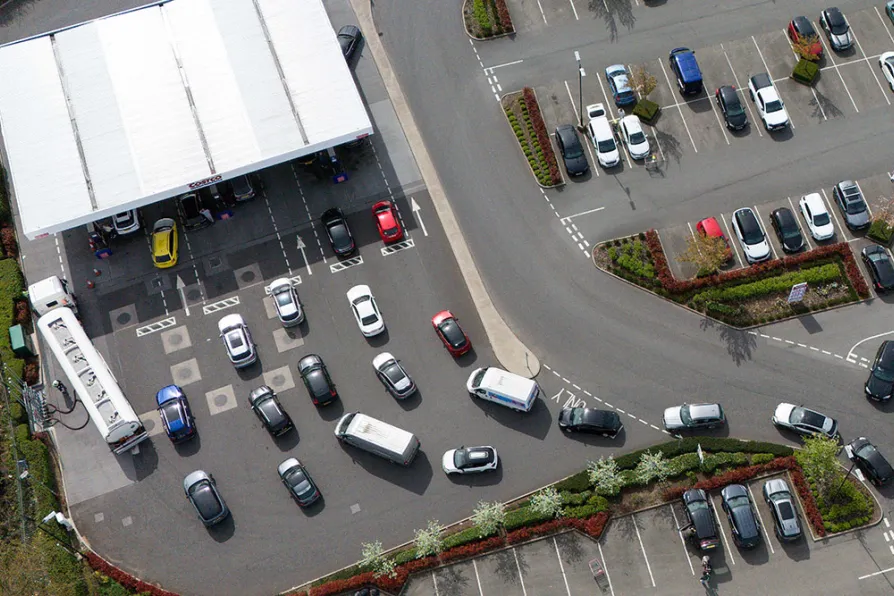
Campaigners urge government to ignore profiteering oil lobbyists and help those hit hardest by rising energy prices

From summit to summit, imperialist companies and governments cut, delay or water down their commitments, warn the Communist Parties of Britain, France, Portugal and Spain and the Workers Party of Belgium in a joint statement on Cop30
