

 Latest editorial
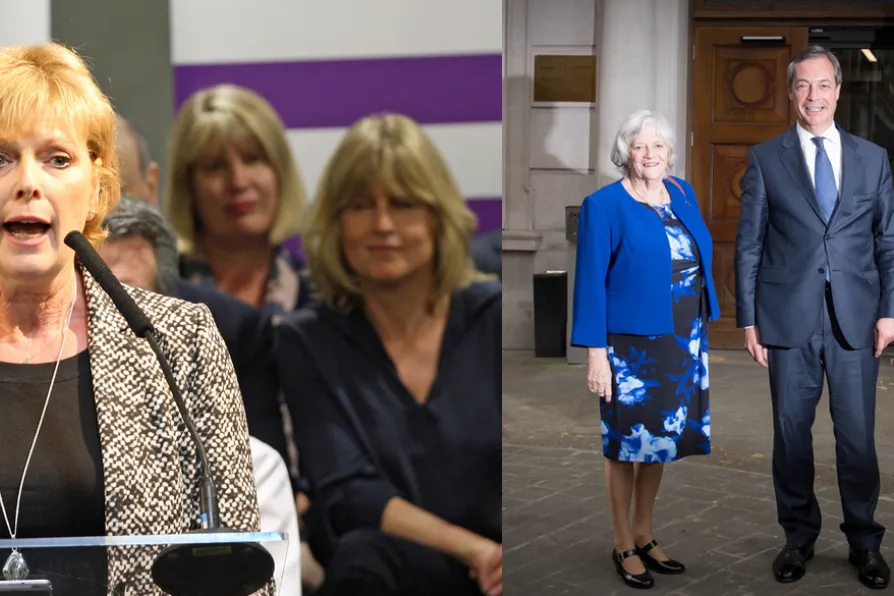 Compelling choice? (lLeft) Anna Soubry addressing supporters during the launch of the Change UK European election campaign and (right) Leader of the Brexit Party Nigel Farage with former Tory minister Ann Widdecombe

Waiting for the grander vision to emerge


TODAY the Italian people celebrated their Festa della Liberazione, which marks the overthrow of fascism which set in train the establishment of a social republic based on the value of labour.
With the south occupied by allied troops, upper Italy was liberated by partisans following a bitter conflict. In the piazze throughout Italy there gather members of the Associazione Nazionale Partigiani d’Italia (ANPI).
The National Association of Italian Partisans has at its core veterans of the anti-fascist struggle now joined by many thousands of younger anti-fascists.
This heritage is at the centre of contemporary politics precisely because Italy has a government which contains trends holding contradictory interpretations of these events.
The right-wing Minister of the Interior Matteo Salvini, long a less than enthusiastic partisan of liberty, is keen to distance himself from this “communist” festival.
So much so that Premier Giuseppe Conte felt obliged to clarify the position of the government, in his own words, “with respect to the anniversary of the liberation of Italy.”
“It was not the victory of one part of Italy over the other but the rebirth of the nation, the roots of the constitutional pact,” he said.
And, referring to the discordant words of the Lega leader, he added: “I do not answer for Salvini but for me.”
Britain never suffered occupation and as a consequence our ruling elite survived the second world war with its proto-fascist wing — which in the late ’30s came close to decisive power — carefully airbrushed out of the historical record.
But in much of Europe the ruling elites were fractured and weakened with their collaborationist elements consigned to the margins of political life.
The result is a political landscape quite different from ours.
Britain has been distinguished for decades by the peculiarities of our political system in which just two large class-based parties face each other.
The great strength of the Tory Party has always been its instinct for unity. Essential because the alternative party of government represents — with great contradictions — the hopes of millions of working people.
Tory unity has broken down, perhaps irretrievably. Labour effectiveness is limited by differences in policy so sharp as to appear unreconcilable.
The terrain upon which politics takes place today would be barely recognisable to earlier generations. Sharpening internal divisions exist in both major parties and in the oft-quoted phrase of Antonio Gramsci: “The crisis consists precisely in the fact that the old is dying and the new cannot be born; in this interregnum a great variety of morbid symptoms appear.”
Among these we must include Change UK, which can barely make it to its morning press call without the appearance of some new racist or mysogynist monologue by one of its candidates.
Even the news that the Brexit Party confected by Nigel Farage is to present the Moral Maze’s shape-shifting Claire Fox as a candidate fails to astonish.
There can hardly be a more suitable candidate for the Brussels talking shop than a motor mouth Trotskyite turned right-wing libertarian.
The election for which these oddballs present themselves is wholly illegitimate. But it presents real dangers for Labour if the party presents itself exclusively as the anti-Brexit party which some appear to want.
One of Labour’s candidates, the SDP turncoat and Blairite privatiser Lord Adonis, has advised Brexiteers not to vote Labour. The millions of working-class voters who voted Brexit in the June 2016 “people’s vote” might well take him at his word.
There is a strong case — rooted in a respect for the people’s democratic instincts — for an active boycott of this unnecessary, irrelevant vanity parade.


NICK WRIGHT continues his series analysing the trends in European politics
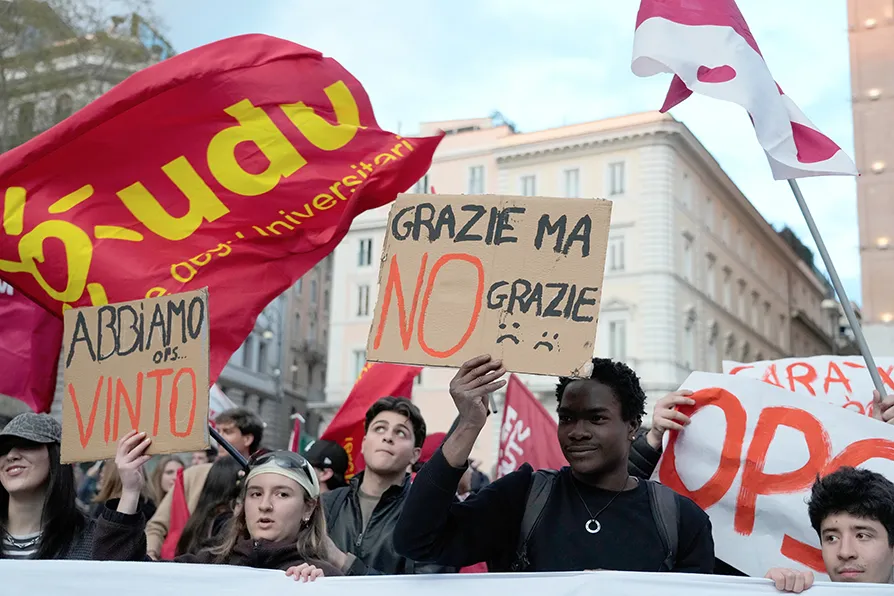
Italians reject controversial judiciary reforms in a referendum that boosts the left, reports NICK WRIGHT

MAT COWARD tells the story of the eccentric founder of a short-lived but striking experiment in ‘vital democracy,’ who became best known for giving away his estate to the nation
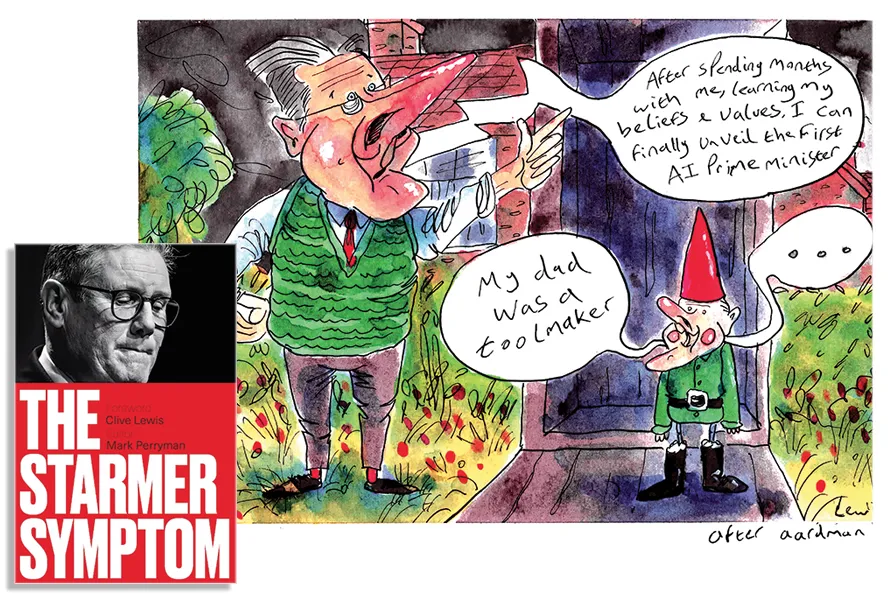
ANDREW MURRAY recommends a volume of essays that nail the visionless, racist and neoliberal character of policy under Starmer’s Labour Party