

 Latest editorial
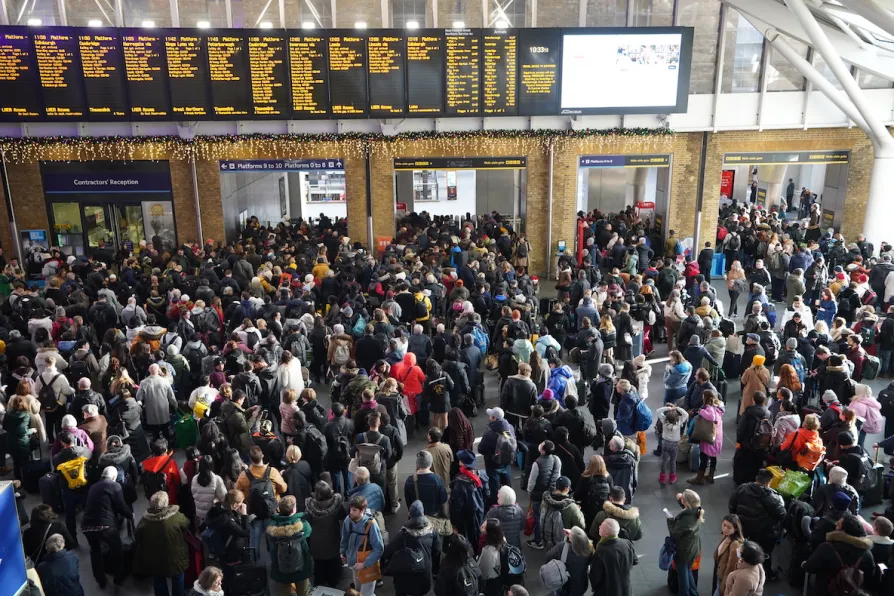 Passengers wait at the barriers at King's Cross station in London following a strike by members of the Rail, Maritime and Transport union. Picture date: Tuesday December 27, 2022.
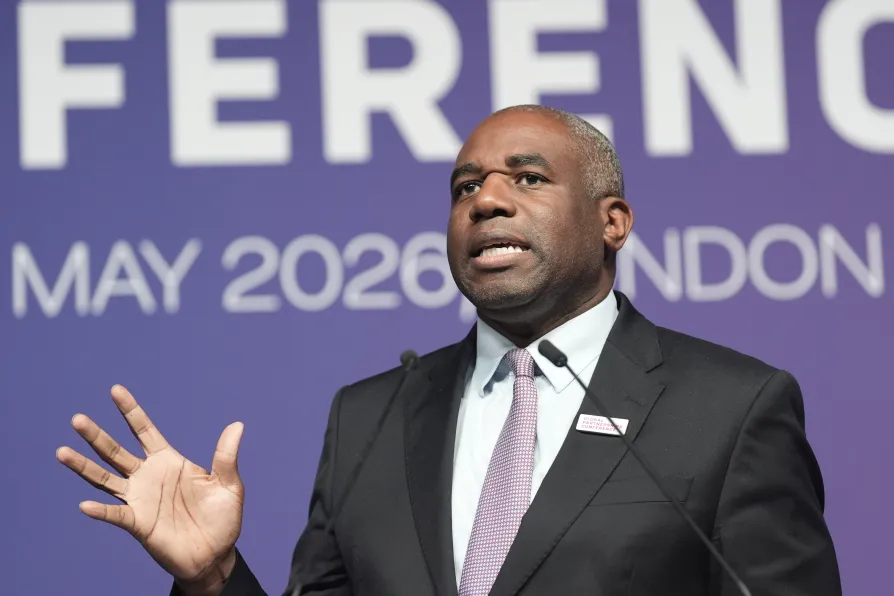


AS RAIL workers returned to the picket lines yesterday, media coverage of their dispute continues to pump out misdirection.
The BBC quotes a “random” commuter complaining that workers shouldn’t strike when the service is expensive and unreliable to begin with — as if that were not the result of the chronic underinvestment in staff and the network that paved the way for these strikes.
As RMT general secretary Mick Lynch makes clear, the reason workers are still striking is because the government is blocking a settlement, having instructed rail operating companies to put a sting in the tail of any offers they make.
While rail workers, like so many others, are battling for a pay award that reflects the soaring cost of living, this dispute is not just about pay.
Ministers are pushing a destructive agenda including closing every ticket office in England, cutting thousands of jobs, drastic reductions in scheduled maintenance and imposition of driver-only trains.
These demands are unacceptable to RMT members. But they should be equally unacceptable to the travelling public — and would have provoked a greater outcry than they have if they were more widely understood.
The cost-cutting war on staffing levels makes rail travel less accessible and less attractive. It has already rendered disabled access to trains patchy or subject to considerable inconvenience in many areas. It leaves passengers on their own in the face of irritations like anti-social behaviour, and makes travelling alone more dangerous, especially for women.
The idea that the funds aren’t there for proper staffing is a nonsense when train operators and rolling stock companies pay out hundreds of millions in dividends, and when government compensates the train operating companies for the impact of strike action, giving them a public subsidy for not settling with the unions.
Rather, like the deep cuts to maintenance which Network Rail unrealistically asserts will have no impact on safety, staff cuts are an indicator that the government plan for rail is managed decline.
Ministers do not want a more efficient rail network that will attract more passengers — they are demanding huge spending cuts from the sector instead.
That strategy is completely incompatible with action to reduce Britain’s carbon footprint. Train travel is the most environmentally friendly form of mass transit — and public transport in general needs massive investment if it is to become convenient and reliable enough to seriously reduce dependence on private cars.
And this is where we see how damaging Britain’s lack of a real political opposition is. Labour is still formally committed to renationalising the railways, and should not be allowed to forget it.
But accepting Conservative claims that the country needs to make deep cutbacks because of a “black hole” in the national finances — one which doesn’t seem to affect the ballooning fortunes of the super-rich — precludes the huge investment our transport system, like our health system, requires to take on what are in a real sense existential challenges.
We see in Scotland that public rail ownership is not a panacea if it comes with service and spending cuts attached.
Unions in transport, as in health, education, post and other areas, are doing a good job at communicating the impact of years of underinvestment on the services concerned. But industrial action alone is not going to deliver the new deal we need.
We must build a political movement to secure that — one which is not just about defending the services we have but demanding much better ones.
When Lula was triumphantly returned to the Brazilian presidency at the weekend, his ministers were setting out plans — for the development of manufacturing, of science, of infrastructure — with the clear message that tomorrow can be better than today.
Brazil is a developing country, of course — but Britain today is not so much a developed country as a regressing one.
Workers walking out to save their services are doing what they can to stop the rot, but only a mass movement for political transformation can offer a way forward.

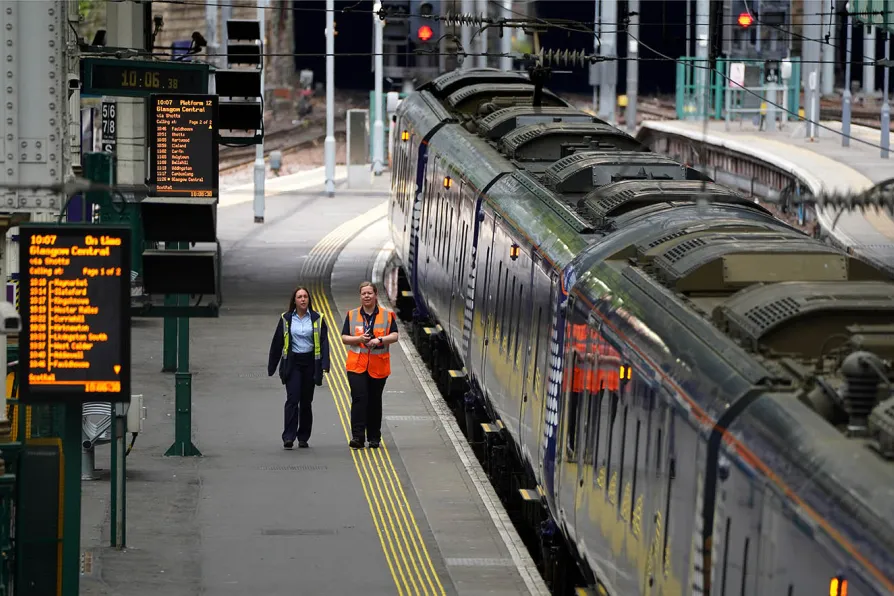
EDDIE DEMPSEY explains why the RMT is calling for urgent action against assaults on staff and passengers on our public transport system
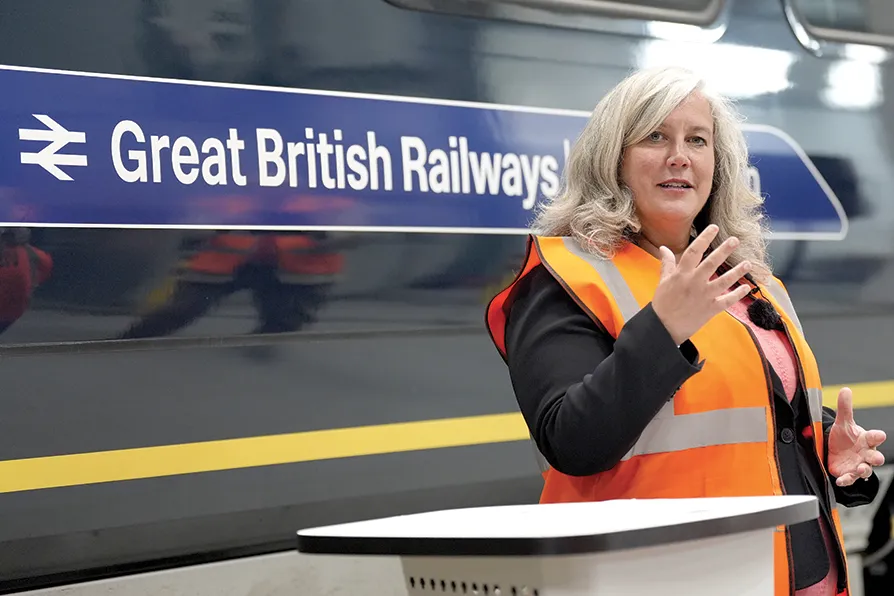
A just transition to Great British Railways and a clean and safe railway for all is not only desirable but also necessary. MARYAM ESLAMDOUST explains
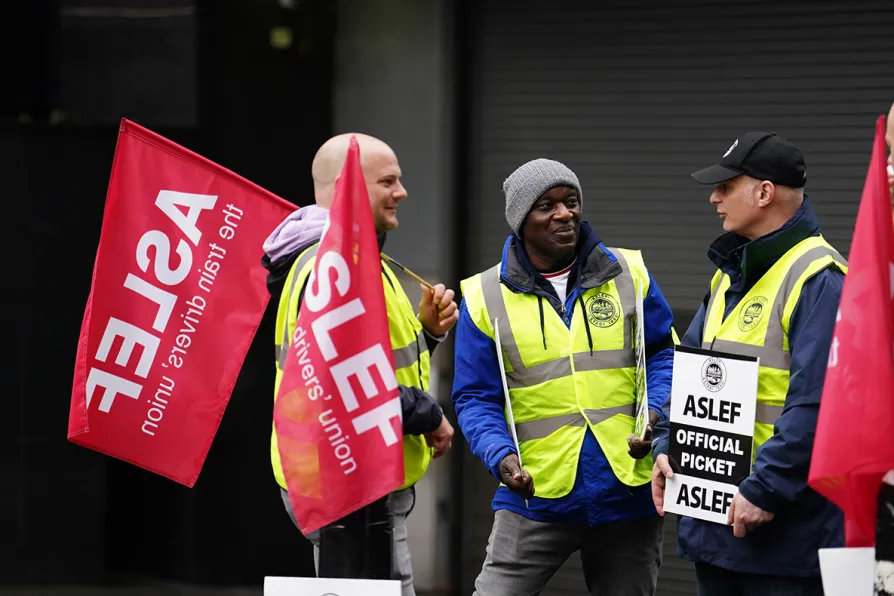
On the eve of the 157th Trades Union Congress, MICK WHELAN, general secretary of Aslef, the train drivers’ union, celebrates victory in his campaign to get dignity for drivers at work
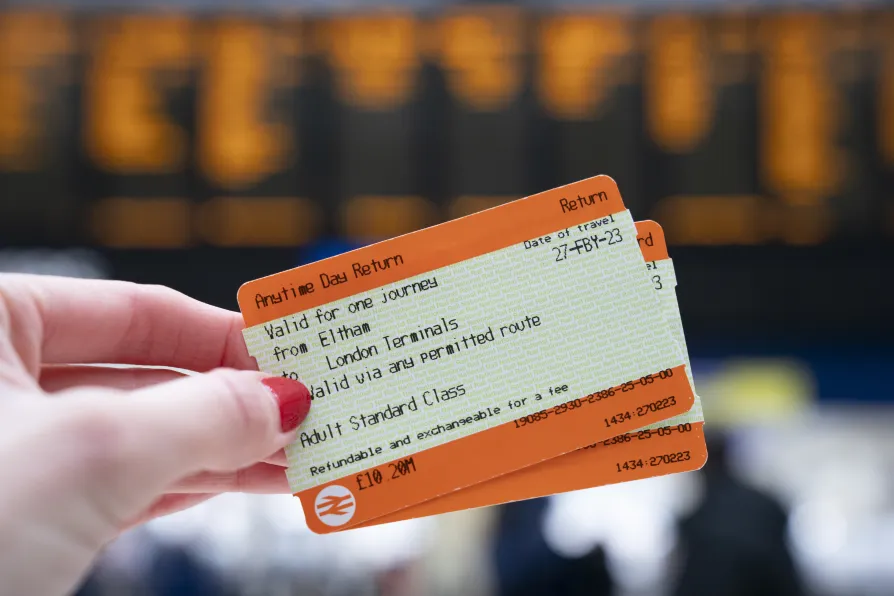
British cross-border train fares far outstrip flights, ranking among Europe’s worst