Latest editorial
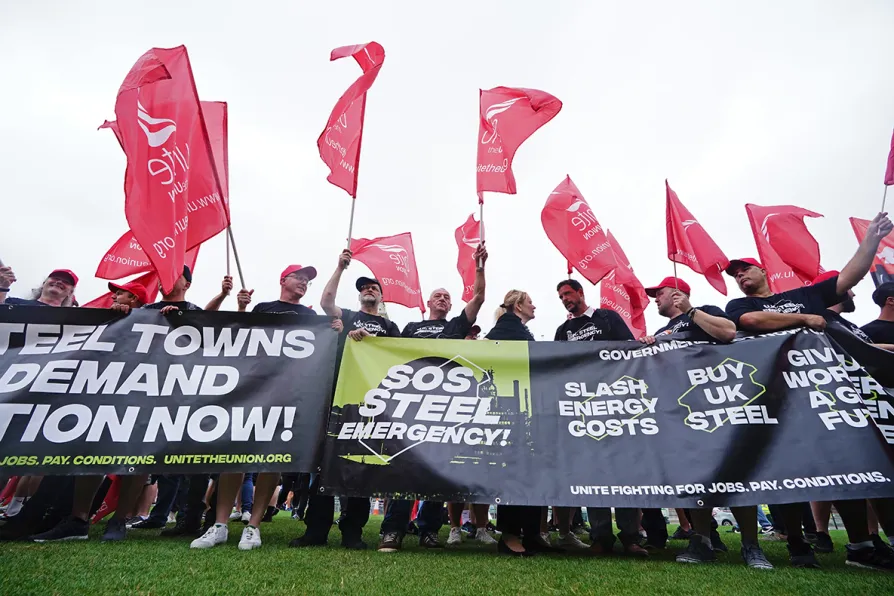 Steelworkers and union officials take part in a protest outside the Houses of Parliament, Westminster, calling for more help for the industry as new figures show almost 150,000 jobs have been lost in the industry over the past 40 years, June 28, 2023



IN LONDON, trade unionists rally for the future of our steel industry. Unite’s Sharon Graham slams the “calamitous” experience of privatisation, a “private equity scam that didn’t work.”
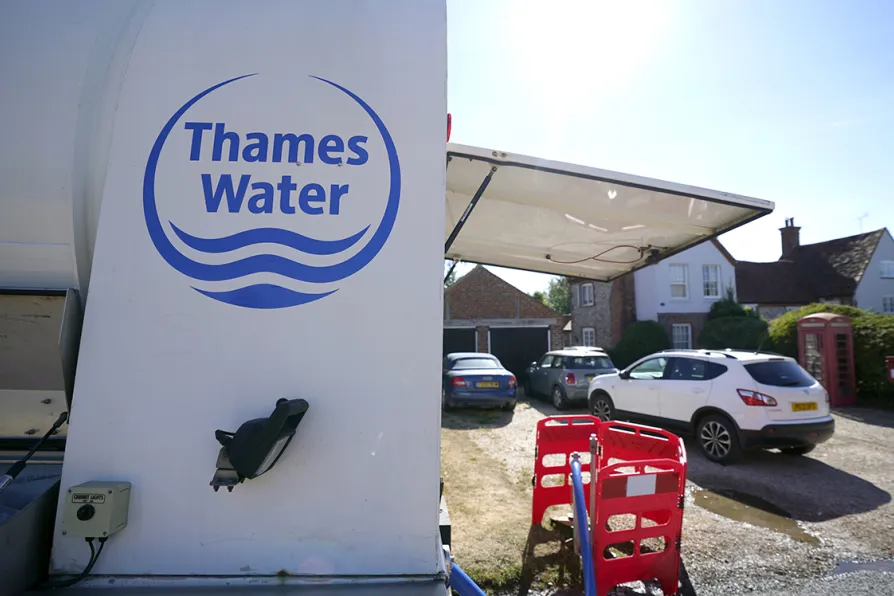
Across Westminster, politicians squabble about another calamitous privatisation. Thames Water, Britain’s biggest water company with 10 million “customers” (if the term applies to households with no choice about their supplier), stands on the brink of bankruptcy.
How, when it has a captive market of millions who cannot decide they would prefer someone else just because of its shoddy record (leaking the equivalent of 250 Olympic-sized swimming pools every day)?
How, when its just-resigned CEO Sarah Bentley recently apologised for decades of underinvestment and “aggressive cost-cutting” that have caused those leaks — and led to a degraded infrastructure so routinely overwhelmed that it released raw sewage into rivers more than 372,000 times in 2021?
The privatisation of England’s water handed monopoly control of a debt-free industry to greedy speculators. Thirty-five years on, the big nine private water suppliers have accumulated £54 billion in debt while paying out an average £2bn in dividends each year.
Firms that have demonstrably failed to carry out their core responsibilities have depended on years of low interest rates to borrow heavily, simply to keep cash flowing into the pockets of parasitical shareholders and parent companies.
Now, rocketing inflation is making that debt unaffordable. The house was built on sand.
Inflation is linked to British Steel’s problems too, though in a different way. The government’s refusal to introduce price controls has left the industry paying 63 per cent more for power than its German counterpart.
While Westminster dithers, unions are proposing solutions. Graham’s insistence that each major infrastructure project should be legally committed to using British steel on their projects would give the industry a huge boost: but neither Tories nor Labour are prepared to act.
Water industry union GMB has long demanded the sector be brought back in house.
But the Tories only acknowledge that Thames Water could temporarily be taken under government control “until a buyer can be found” — another consortium keen to leech profits out of a resource they don’t produce, through infrastructure they did not build and do not bother to maintain.
Labour is hardly better, with Ed Miliband dismissing questions on nationalisation with the feeble demurral that the priority should not be paying “billions to shareholders” (why, if the firm is bankrupt?) when the money should go to “sorting out what is happening in the water industry” (how? Its problems — and they are all of our problems, given no resource is so essential for life — are clearly down to the perversion of a utility by the profit motive).
As we have seen over the past year, it is trade unions, not political parties, that are offering solutions in today’s Britain — not just battling for their members’ wages during an inflationary crisis, but outlining the political necessities of public ownership and serious public investment that both big Westminster parties reject.
This adds urgency to RMT leader Mick Lynch’s call for a “national mobilisation of the entire working class.”
Lynch refers to the effort required to stop the Tory war on the right to strike. But to succeed, we need to unite the cause of labour with the public fury at the crimes of the water companies, with the growing panic over what runaway inflation and endless interest rate rises are going to do to the housing security of millions of families.
Settlements in some sectors and setbacks in others must not be allowed to diminish the raised profile of Britain’s unions at this time of crisis. The solutions our movement demands have majority support. Politicians must be forced to the table.
Building through this summer’s transport, health and education strikes to a national demonstration for change this autumn will make them feel the heat.


Channel 4’s Dirty Business shows why private companies cannot be trusted with vital services like water, says PAUL DONOVAN