IAN LAVERY MP warns that decades of neoliberal policies have left former industrial communities behind — but a renewed Labour commitment to working people could change the political landscape


Europe’s ‘nuclear umbrella’ risks catastrophic escalation
As Macron and Merz propose French nuclear-armed jets be stationed in Poland and Germany, the dangerous implications for peace and the possibility of nuclear confrontation grow, warns SOPHIE BOLT
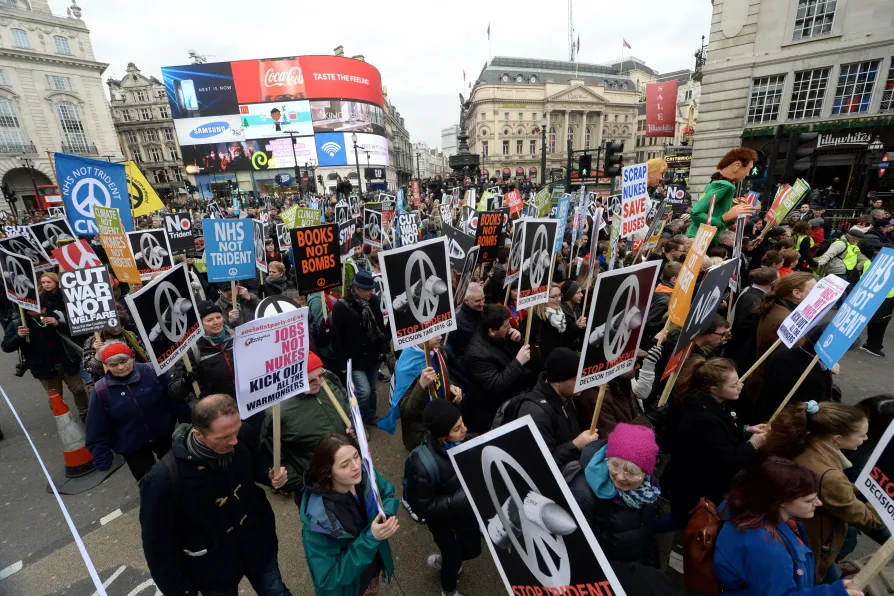
 Protesters taking part in the Stop Trident protest march as they make their way through Piccadilly Circus, London, February 27, 2016
PAOLO SANTALUCIA reports on how an Italian region defies US pressure to end a Cuban doctors programme
HENRY FOWLER outlines the GFTU’s new 2026-27 education programme and argues that investing in trade union education is essential to building worker power, developing leaders and strengthening collective action
We need a government that invests in saving lives not destroying them, argues SOPHIE BOLT
More expensive by weight than gold, saffron is surprisingly simple to grow. MAT COWARD explains
The public inquiry is the result of more than a decade of determined campaigning. Now, those who fought for justice want the full story of government involvement and police conduct to be told, says KATE FLANNERY
The Durham Miners’ Gala is a celebration of working-class culture, but also a call to action — to rebuild workers’ collective strength, says KIM JOHNSON MP


AS Trump brutally hammers out a settlement for Ukraine and Russia, he’s also been hammering Europe for vast, cold-war levels of military spending. And European leaders seem very keen to oblige.
Along with Keir Starmer’s so-called peace plan for a 30,000-strong European army, France’s Emmanuel Macron and Germany’s chancellor-in-waiting Friedrich Merz are pushing for a European “nuclear umbrella” — where France could deploy its nuclear-capable jets outside its borders. Merz also wants Britain to step up and deploy its British nuclear submarines to “defend” Europe against Russian aggression.
So what does this “nuclear umbrella” really mean in practice — and what are the risks?

Similar stories

We need a government that invests in saving lives not destroying them, argues SOPHIE BOLT
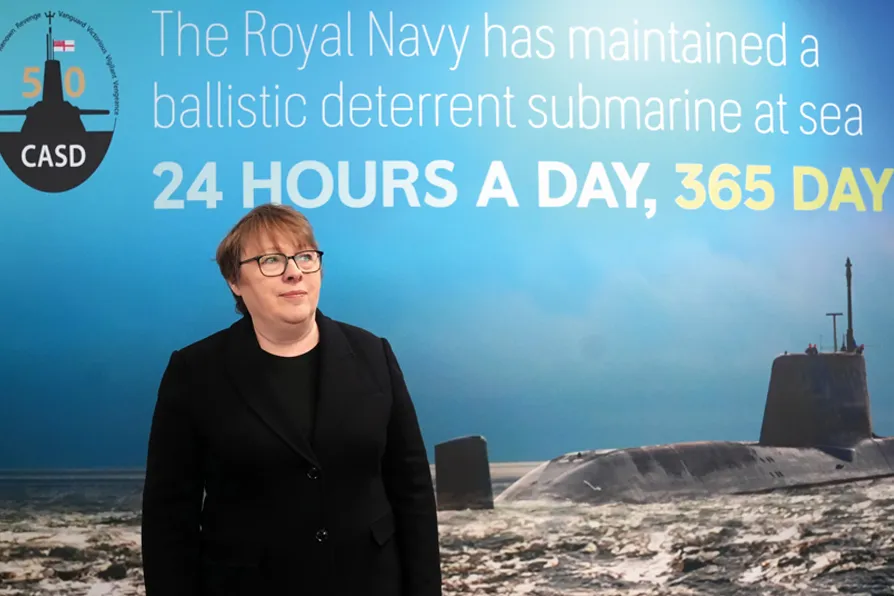
Expanding Britain’s nuclear capability increases the risk of nuclear confrontation. It does not keep us safe – it makes us a target, argues CAROL TURNER
