The Tories introduced the 50% strike ballot threshold to make industrial action harder. MATT WRACK argues that a Labour government has no justification for leaving it on the statute book


 Latest editorial
An eye for shiny things
Peter Murrell’s weakness for the allure of prestige goods is symptomatic of modern consumer culture, says MATT KERR
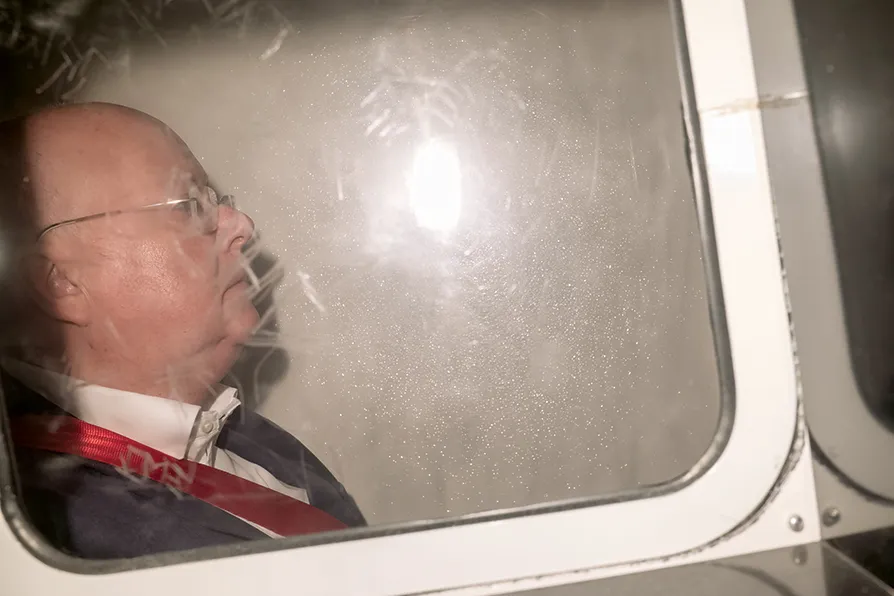 JUST DESERTS: : Peter Murrell arrives in a prison van at the High Court in Edinburgh, last Tuesday, after admitting he embezzled more than £400,000 from the SNP
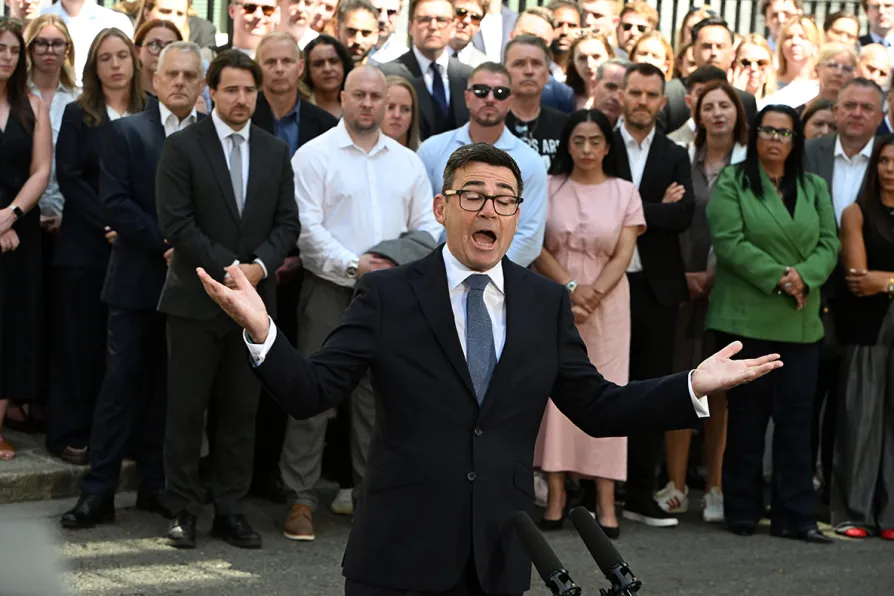
In the wake of Ann Widdecombe’s murder, JOHN GREEN wonders whether the government will really get to grips with the root cause of these attacks on our MPs
The new PM’s opening addresses offered hope, council homes and reform — but little detail on how any of it will be delivered, warns CLAUDIA WEBBE
Despite the screeching from the right-wing media, Burnham’s speech chimed with the public mood - and socialists should take advantage, says Morning Star editor BEN CHACKO
Scotland's Labour leader cannot continue to evade responsibility for the party's decline, argues LAUREN HARPER
Nature as well as society works dialectically, asserts the Marx Memorial Library and Workers’ School


THERE were cars all around. “Close the gap, close the gap!”
He sounded more like a cycling coach than a driving instructor. “If you don’t, you’re just inviting anyone in.”
A few weeks later the test was passed and the life of car-owning began with the £100 purchase of a lump of rust with wheels loosely attached, a horseless carriage broken into so routinely that I gave up locking it and took to leaving notes for the intruders.
I found the choke from it the other day. Through house moves, and parenthood, this thing has somehow made the cut and lives on in a drawer in the shed. I’ve no idea why. The sensible thing to do, along with a good deal of the rest of it would be to dispose of it responsibly, but instead it goes back with all the other oddities — some of which were gathered by my father and grandfather — “just in case.”
It’s not completely mad. Last night I made some makeshift hinges from a strip of metal in that drawer — a moment that ended three generations of ownership. There’s enough scrap in there to build a team of bikes, and maybe one day I will, but maybe I won’t.
What an inheritance.
Somewhere a team of people put their time, skills and capital into making that strip of wrought iron only for it to sit, unused, for over three decades. Many of the of the nuts, bolts, washers sit in biscuit tins that would probably be collectors’ items. Instead they are the collectors, giving a home to lifetimes of assorted bits scavenged from stripping down broken vacuum cleaners and motorbikes which may have some scrap value, but will never come back to life until that eureka moment.
It may happen tomorrow, it may happen 100 years from now, but they will come in handy one day, I know it.
Coach bolts clung on to as articles of faith that a future will either bring the heaven of endless free time to tinker, experiment and build things, or a Mad Max-like hellscape where that lump of iron just might make the admittedly marginal difference between living on in mortal fear or not living at all.
Is that why we do this?
Like many people over the last week, I’ve glanced at the list of stuff that Peter Murrell bought over his 12-year looting of SNP funds with incredulity. As someone who was paid a salary that put him in — at least — the top 5 per cent of incomes for over two decades, he could have bought most of that junk with money people had willingly handed to him, rather than going to the trouble of looting it.
It’s strange behaviour. Buying shiny watches, pens, robotic lawnmowers and of course a massive campervan with stolen cash isn’t exactly the behaviour of a master criminal.
He may well have just been a guy who couldn’t say no to a couple of designer handbags, but we do have to wonder why there appeared to be no-one else around to stage an intervention — duty of care and all that.
There is something tragic about a man who buys all sorts of expensive and shiny things and touring guides on expenses for a motorhome paid for with stolen cash that only moved four miles in all the years he had it.
At least Ronnie Biggs made it to Brazil.
I have friends who are in the SNP, and earnest supporters of independence and John Swinney is keen to make this whole farce about them. It’s not an unreasonable point, but it wears a little thin. If all that hard-earned cash from honest supporters mattered so much to him and his predecessors until now, they seem to have been extravagantly uninterested in how it was spent.
When I first read he’d spent thousands on progressively more elaborate coffee machines, my first reaction was “has he heard of a kettle?” only to realise he bought a brace of them too, but what’s dragged into the light here isn’t his ex-partner’s fabulous bookcase or his Amazon fetish, and it goes much, much, further than a “no-questions-asked” culture that is by no means unique to the hierarchy of the SNP.
It’s about shiny things.
One of the running jokes in the political world is that no-one ever needs to buy a pen. Parties throw them around like confetti, while campaign groups and lobbyists leave them lying around in the hope the scrawl on them will influence what you scrawl with them, so why did Murrell feel the need to splash over £1,000 to buy a couple of pens for Nicola Sturgeon?
She didn’t need them, that’s a given, but if the rumours are to be believed it was to ensure she felt at home with other world leaders and their fancy utensils at Cop26 and more besides — a kind of international game of “keeping up with the Jones’s.”
Maybe he meant well.
Nice things are nice, and I’m sure they are beautifully made by skilled craftspeople for whom I live in the forlorn hope they get their fair share of that price tag, but where are we when leaders who wax lyrical about the scourge of poverty, of foodbanks, of inequality find themselves dragged along on that consumerist escalator?
With few exceptions, the overwhelming theme in Murrell’s spending spree was luxury, conspicuous consumption and a love of shiny shiny, a love I doubt extended to the absurd handcuffs the authorities insisted he wore on the way to remand in Saughton to await his sentencing later this month.
Shiny is the flavour of our age though. The whole rotten system depends on it. Not content with robbing working people so completely of their labour to drive them into perpetual debt, the options for escape have been spectacularly stolen.
What could have been more spectacular than capital’s embezzlement of our collective inheritance of council housing — the lure of the shiny for one generation becoming the debt slavery of their children, and tenanted serfdom of the grandkids.
As shiny as the £3,000 coffee machines people get into debt — or rob the SNP — to buy.
Shiny like the SUVs renewed every three years to wreck the roads and the environment as they run over our kids bought for sums out of reach of most of their drivers. A forever debt for the shiny.
The degenerated world of politics is no less reliant on this farce, Murrell just got a bit carried away by breaking the law. He was daft enough to have bought the sparkly pens for his wife with stolen money, but millionaire Labour peer Waheed Alli managed without such indiscretions when he threw £32,000 of his pocket change at Sir Keir Starmer for suits to make him feel right at home in the corridors of power.
In a world so dominated by this spectacle the drift towards creating tsars and mayors — I see little difference between these, and perhaps more worryingly, neither do their proponents — is perfect.
The photogenic figurehead to love or loathe but forever gaze at as “our boy” (rarely “our girl”).
Shiny scissors to cut ribbons and deal with those pen-pushers in city hall, but more often than not simply a more convenient target for pen-toting lobbyists.
The shiny sits in the gap where our future should be, thriving not on hope, but on the fear that it must one day all collapse and the superstition that it won’t happen on our watch.
All the while the nuts and bolts sit in their jars, good faith waiting to be put to good work.
On the hunt for a pin for that hinge, I picked one up.
“Stir occasionally,” the label said.
What an inheritance.

Similar stories
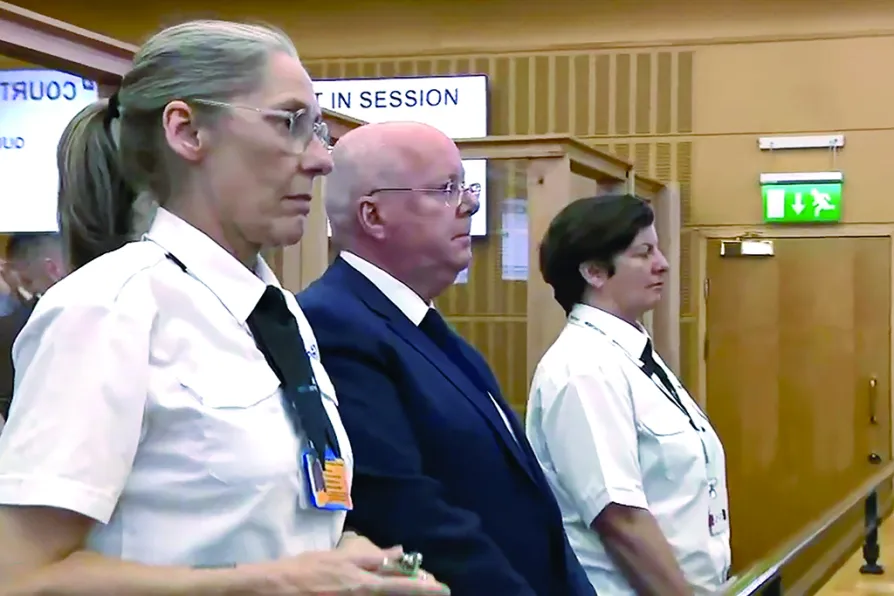
KENNY MacASKILL says the lines between party, government and Civil Service in Scotland have been blurred and we need a thorough investigation into how
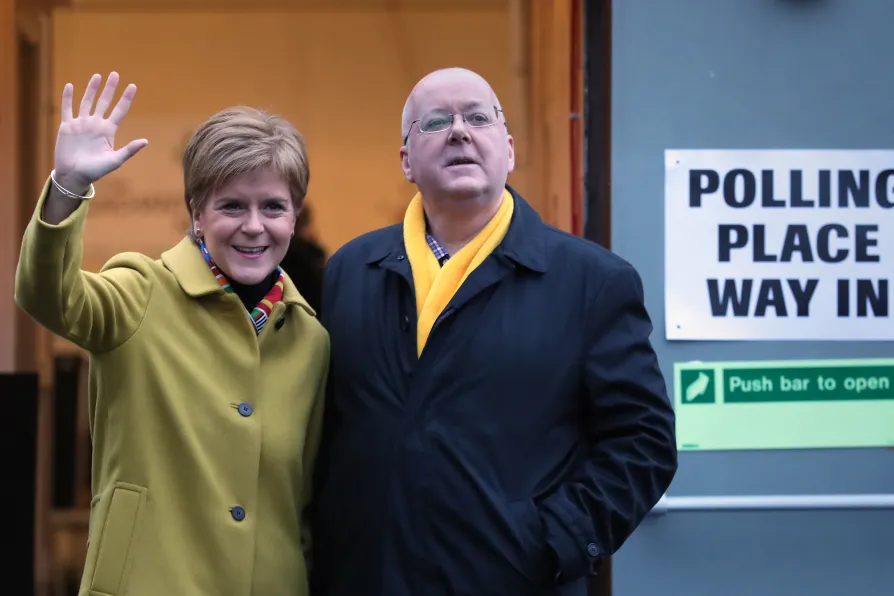
KENNY MacASKILL looks at the depth of the corruption tolerated within the Scottish National Party and the efforts to keep it from public scrutiny

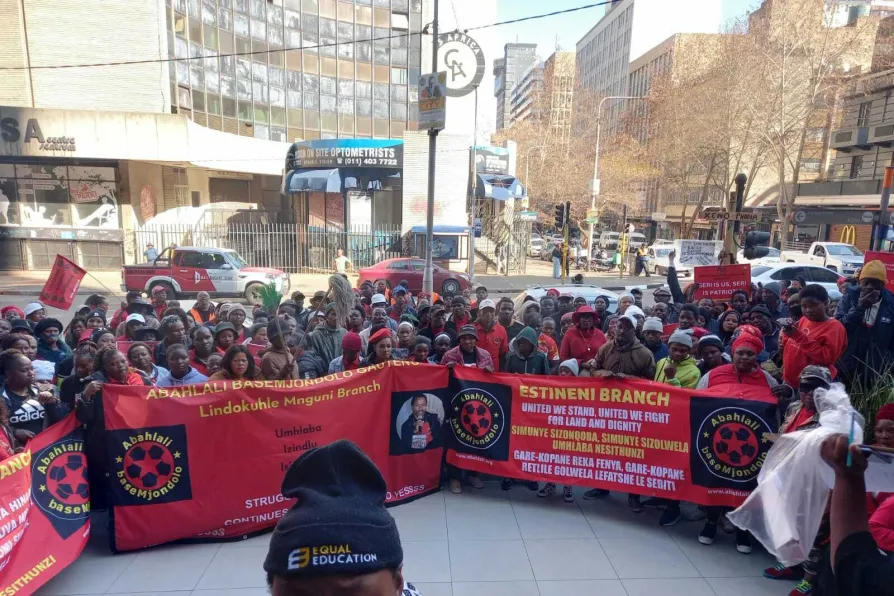
We are experiencing a wave of organised, often deadly violence targeting migrants from other parts of Africa — but the poorest South Africans reject this hatred, staying true to the spirit of Ubuntu and Pan-African unity, reports NIGEL BRANKEN