The Tories introduced the 50% strike ballot threshold to make industrial action harder. MATT WRACK argues that a Labour government has no justification for leaving it on the statute book


 Latest editorial
‘Peaceful’ protest a tool for regime change
In 2018, Nicaragua was subject to a violent insurrection. In the second of four articles JOHN PERRY and DAN KOVALIK look at how initial support for the coup relied on widespread use of social media
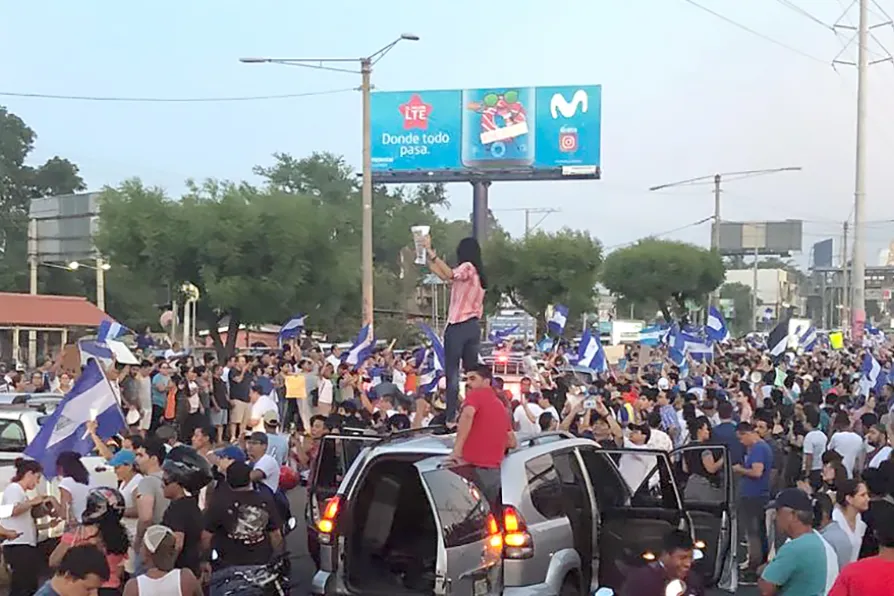 Protests in Managua on April 24 2018
[Voice of America/CC]
Protests in Managua on April 24 2018
[Voice of America/CC]
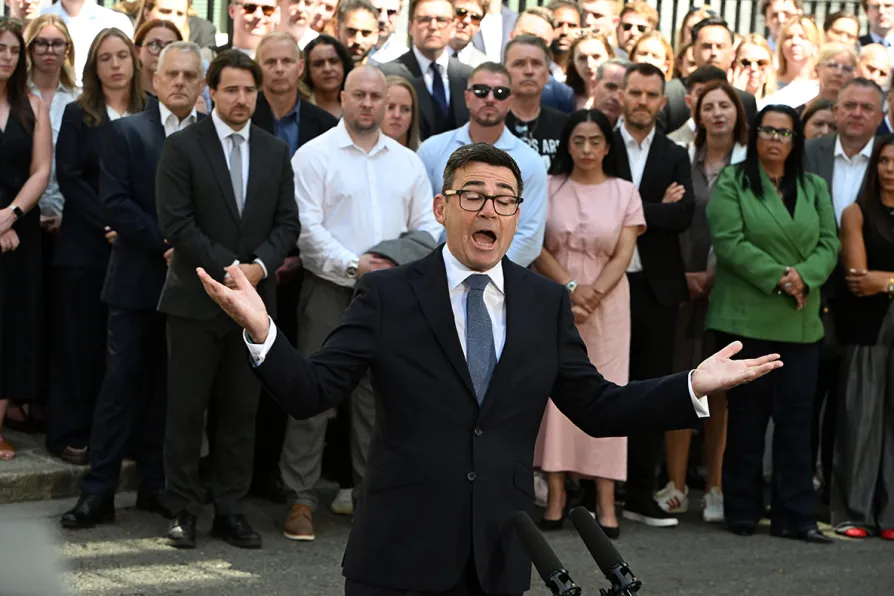
In the wake of Ann Widdecombe’s murder, JOHN GREEN wonders whether the government will really get to grips with the root cause of these attacks on our MPs
The new PM’s opening addresses offered hope, council homes and reform — but little detail on how any of it will be delivered, warns CLAUDIA WEBBE
Despite the screeching from the right-wing media, Burnham’s speech chimed with the public mood - and socialists should take advantage, says Morning Star editor BEN CHACKO
Scotland's Labour leader cannot continue to evade responsibility for the party's decline, argues LAUREN HARPER
Nature as well as society works dialectically, asserts the Marx Memorial Library and Workers’ School


THE “groundwork for insurrection” in Nicaragua was laid down months and years before the coup attempt began, as our first article explained. But the coup could only succeed if it mobilised sufficient people into demanding that President Daniel Ortega resigns.
How was this to be done, with polls showing his government had some 80 per cent support in a country that had enjoyed several years of prosperity and social development?
One tool was old-fashioned class war. The middle and upper classes could be convinced to follow the example of the elite and of business leaders if they thought this would bring Nicaragua closer to the US, favour multinational investment and end the revolution, but only if there was no threat to their current prosperity.
Recruiting young people from this sector, especially students in private universities, was a route to securing their support. It required constant reinforcement of the message that the protests were “peaceful,” with the violence concentrated in poorer areas while the middle classes could join in mainly peaceful anti-government marches — and they succeeded to the extent that no middle or upper-class people were killed.
However, Nicaragua’s middle class is small. The majority, poorer part of the population had been beneficiaries of a decade of government social investment. Many were firm Sandinista supporters. Turning them against the government was vital but far more difficult.
Several methods were used. One was to focus the insurgency on cities like Masaya, Leon and Esteli that were linked historically to the revolution, and where young, poorer Nicaraguans could be recruited as cannon-fodder. If Monimbo, the traditionally radical barrio in Masaya, was in revolt, the rest of the country might follow.
A second tactic was to give the impression that government supporters themselves were in revolt, by branding violent opposition groups as “Sandinista mobs” and even having youths don Sandinista T-shirts before they ransacked shops.
A third was to put former Sandinista leaders like Dora Maria Tellez at the forefront, to present the opposition as a progressive alternative to the government.
The money, food and weapons that they distributed in poorer areas showed that the uprising had powerful backing.
But the crucial weapon was media manipulation, at two levels. First, it was necessary to get people onto the streets, or at least to change their attitudes towards Ortega, by creating an overwhelming impression that the violence was government-provoked.
This began on the first day, April 18, with fake posts on social media that a student had been shot by police. It brought young people out ready for violence the next day, when the first three deaths actually occurred: a police officer, a youngster involved in defending the Tipitapa town hall when it was attacked, and an innocent bystander.
The Facebook post of a student at the UPOLI (Polytechnic University of Nicaragua) “shot” by police on April 18 was fake: he was not a student, and had died at home of natural causes. There were no coup-related deaths this day.
As the new book Nicaragua: A History of US Intervention and Resistance (by D Kovalik) points out: “Suddenly the protests were no longer peaceful, with the protesters firing mortar rounds and lobbing Molotov cocktails.”

Similar stories
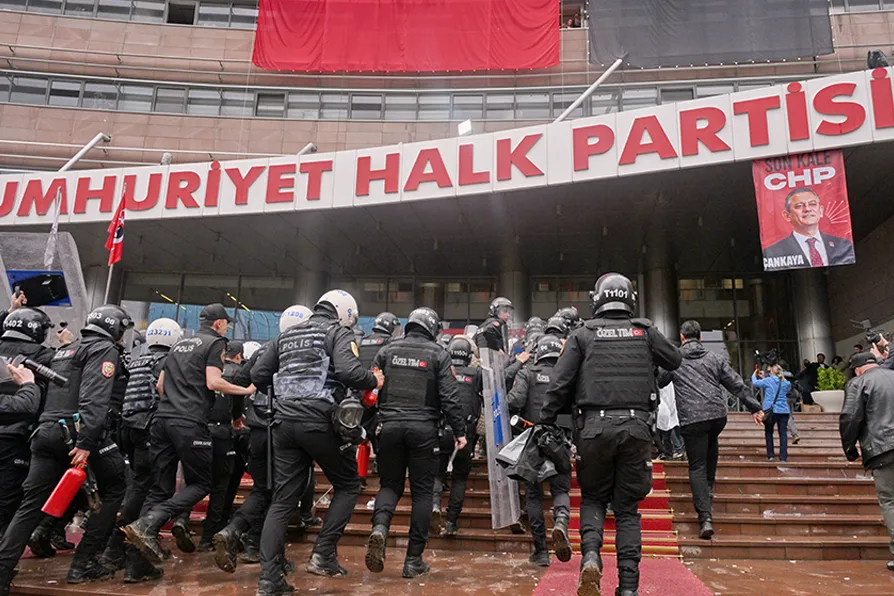
CLAUDIA WEBBE looks at how Britain’s Nato ally has upped the stakes in its effort to silence domestic dissenting voices
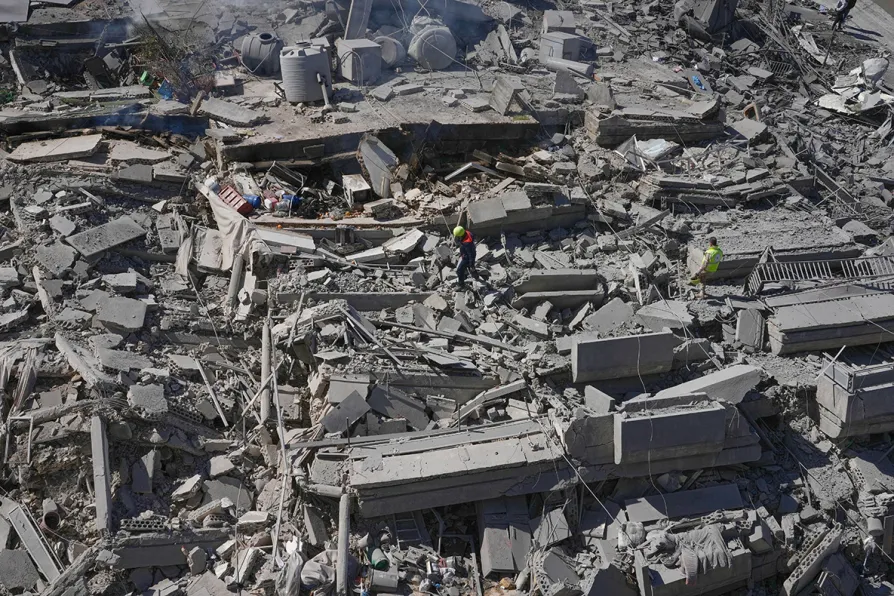
The civilian toll climbs past 1,000 as women, children and families are struck in their homes, schools and public spaces – a stark illustration of the human cost of war. AZAR SEPEHR emphasises that the future of Iran is solely determinable by the people of that country and them alone
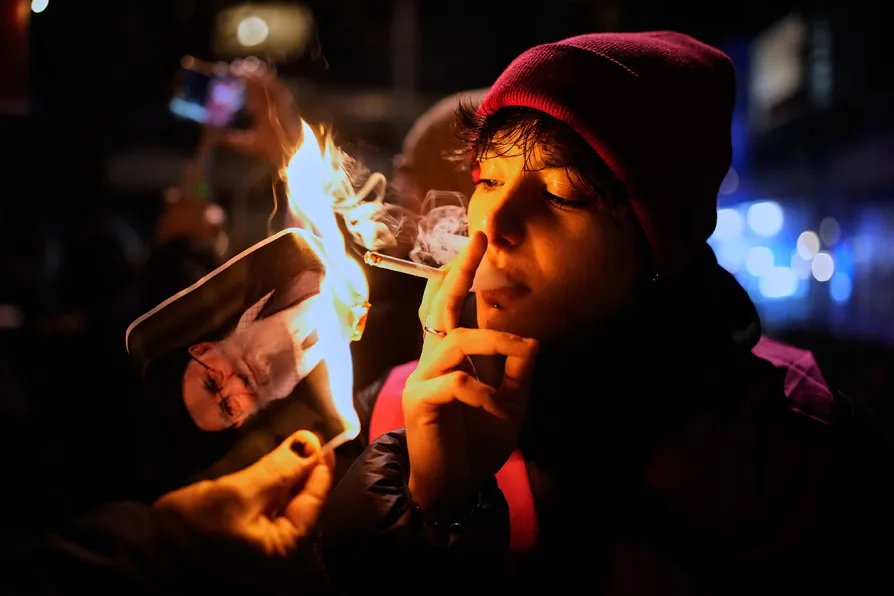
MOHAMMAD OMIDVAR, a senior figure in the Tudeh Party of Iran, tells the Morning Star that mass protests are rooted in poverty, corruption and neoliberal rule and warns against monarchist revival and US-engineered regime change
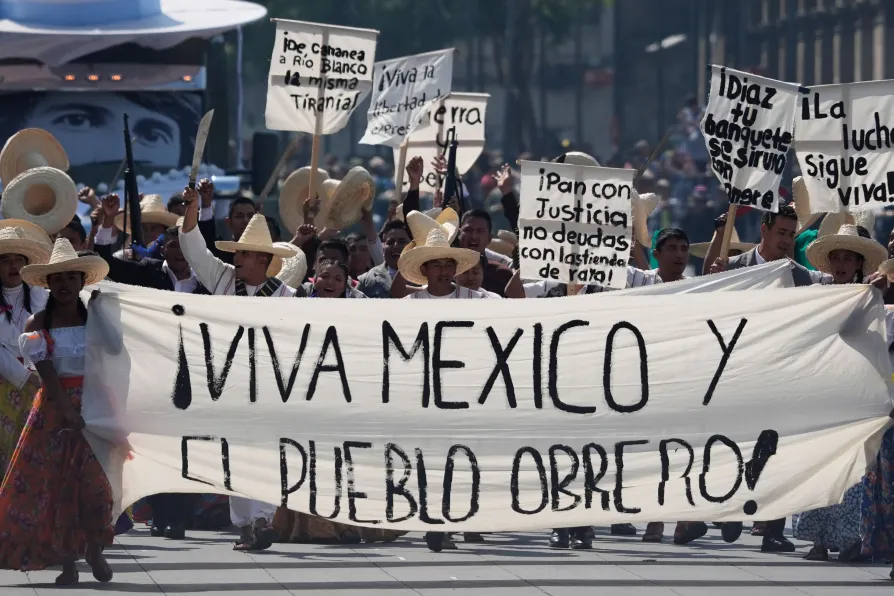
A November 15 protest in Mexico – driven by a right-wing social-media operation – has been miscast as a mass uprising against President Sheinbaum. In reality, the march was small, elite-backed and part of a wider attempt to sow unrest, argues DAVID RABY