The Tories introduced the 50% strike ballot threshold to make industrial action harder. MATT WRACK argues that a Labour government has no justification for leaving it on the statute book


 Latest editorial
The miners’ strike and the horror of injustice
Halloween for the Orgreave Truth and Justice Campaign marks a grim anniversary – five years since Amber Rudd ruled out an inquiry into the brutal events of June 18 1984. But campaigners have no intention of giving up the fight, says KATE FLANNERY
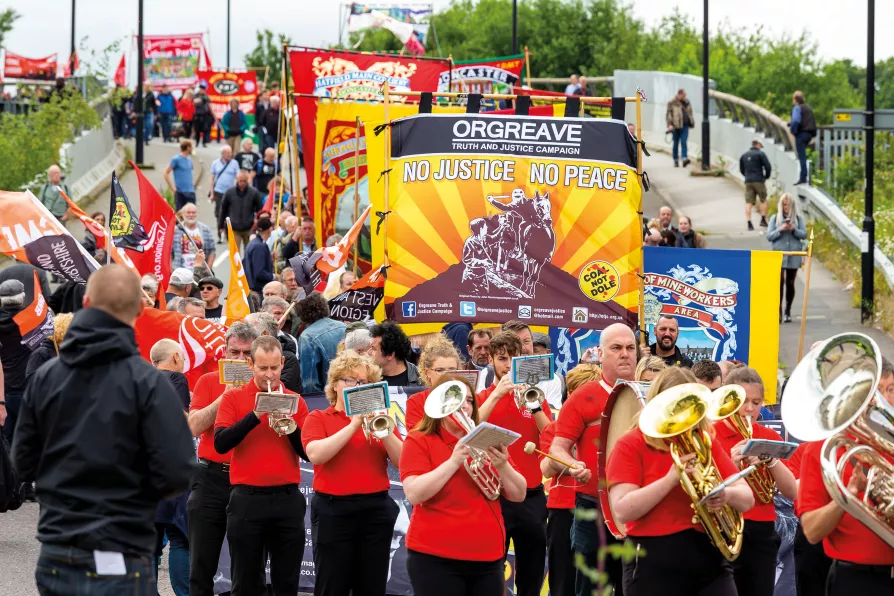 [Neil Terry Photography]
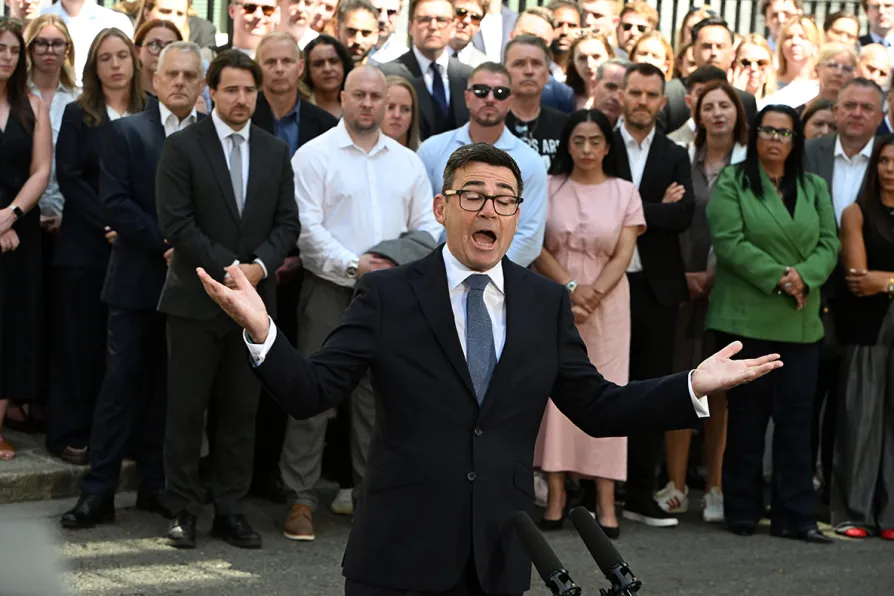
In the wake of Ann Widdecombe’s murder, JOHN GREEN wonders whether the government will really get to grips with the root cause of these attacks on our MPs
The new PM’s opening addresses offered hope, council homes and reform — but little detail on how any of it will be delivered, warns CLAUDIA WEBBE
Despite the screeching from the right-wing media, Burnham’s speech chimed with the public mood - and socialists should take advantage, says Morning Star editor BEN CHACKO
Scotland's Labour leader cannot continue to evade responsibility for the party's decline, argues LAUREN HARPER
Nature as well as society works dialectically, asserts the Marx Memorial Library and Workers’ School


OCTOBER 31 is no celebration of Halloween for the Orgreave Truth and Justice Campaign (OTJC). This year is the fifth anniversary of the Tory government’s refusal to order an Orgreave inquiry.
It was on October 31 2016 that Tory home secretary Amber Rudd made the shock announcement in Parliament that there would not be any kind of inquiry into the police riot at Orgreave on June 18 1984 during the 1984-5 miners’ strike.
Miners who had been assaulted by the police and arrested during the strike, children of miners, supporters and activists involved in the strike watched in horror from the House of Commons public gallery as this statement was made.

Similar stories
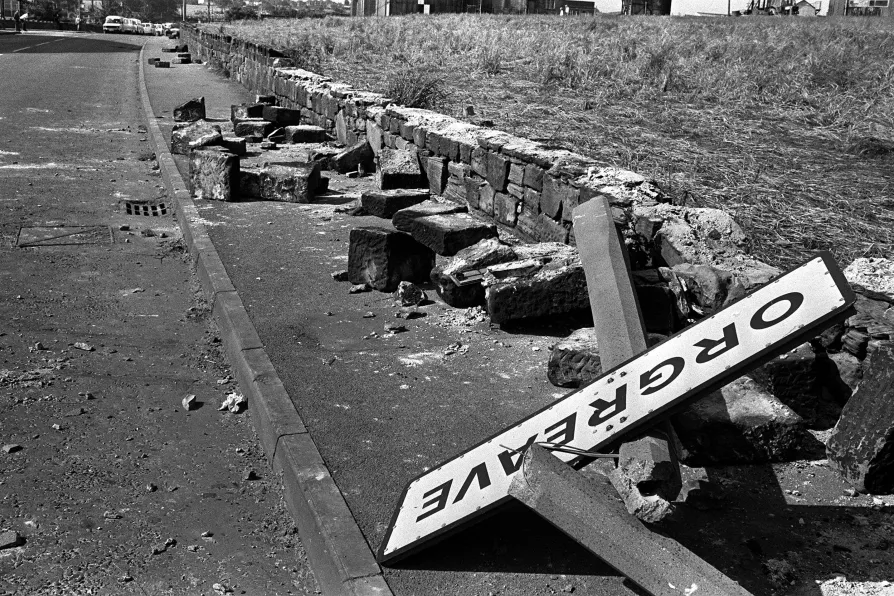
The public inquiry is the result of more than a decade of determined campaigning. Now, those who fought for justice want the full story of government involvement and police conduct to be told, says KATE FLANNERY
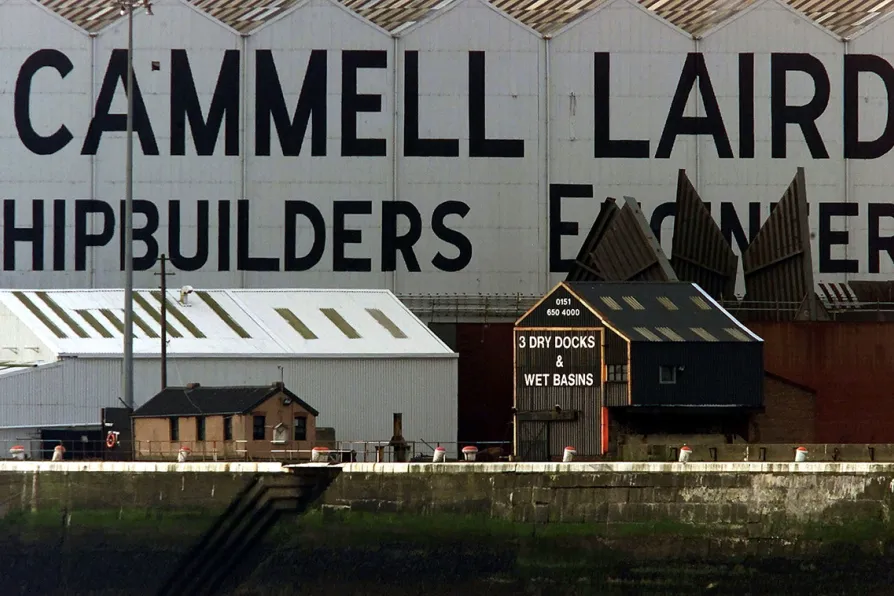
KIM JOHNSON MP places the campaign in the context of the history of the working-class battles of the 1980s, and explains why, just like Orgreave and the Shrewsbury Pickets before it, justice today is so important for the struggles of tomorrow
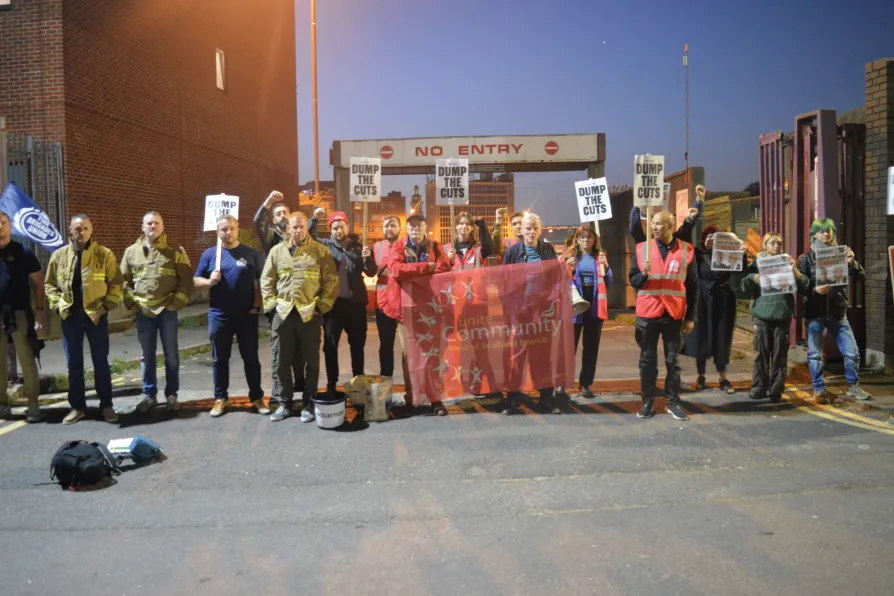
Since 2023, Strike Map has evolved from digital mapping at a national level to organising ‘mega pickets’ — we believe that mass solidarity with localised disputes prepares the ground for future national action, writes HENRY FOWLER
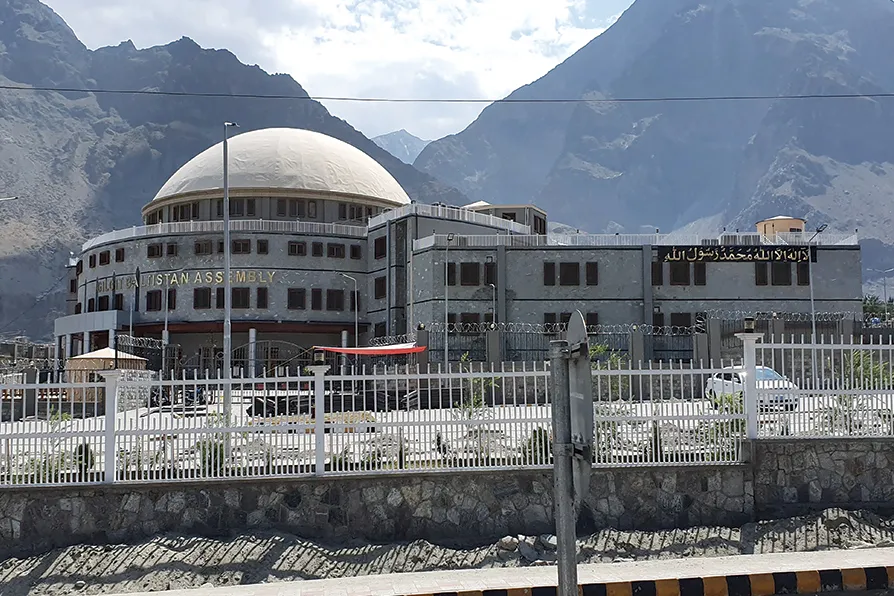
JOE ATTARD explains why trade unionists are rallying in solidarity against the recent arrest of political activists in Gilgit-Baltistan, the northernmost region of Kashmir, administered by Pakistan