In the wake of his recent humanitarian visit to Cuba, RICHARD BURGON points to the now urgent need to defend the island’s political sovereignty and its right to self-determination


 Latest editorial
Neo-Ottomanism: the political economy of contemporary Turkey
Turkish communist leader KEMAL OKUYAN explains the background to the despatch of Turkish troops to Libya and Turkey’s new claims to mineral resources in the eastern Mediterranean
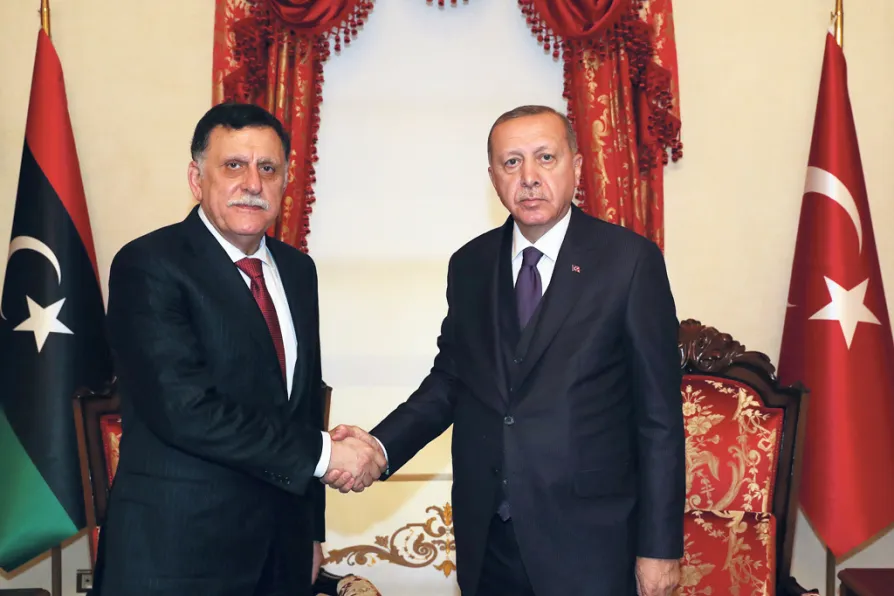 Turkey’s President Recep Tayyip Erdogan (right) shakes hands with Fayez al-Sarraj, the head of Libya’s Government of National Accord
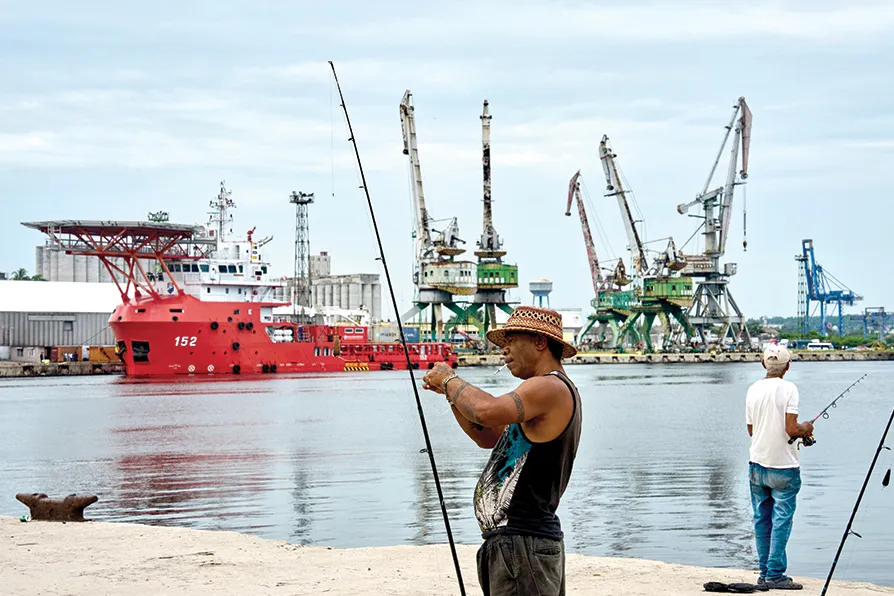
Thousands of jobs are at risk across higher education, yet government funding appears only when universities can be linked to military objectives, says JO GRADY, in the run-up to the Stop the War International Conference this Saturday
The Wye, Usk, Arrow and Lugg were once treasured for their clean waters – today, pollution and corporate excess are fuelling demands for a return to public ownership, says MARK SEDDON
The new Employment Rights Act is a step forward, but restoring collective bargaining and union power remains essential to tackling insecurity, outsourcing and low pay, says PAUL WHITEHOUSE
Rising support for Farage’s party reflects Labour’s failure to defend working-class living standards or offer a credible alternative to neoliberal decline, says JOSEPH MILLS
Trade unionists are mobilising to support Cuban workers and public services, amid escalating US pressure on the socialist island. RONAN OGILVY explains


AFTER failure in Syria, the Turkish President Recep Tayyip Erdogan is busy developing a second version of his neo-Ottoman project, which he first brought onto the political agenda in the second half of the early 2000s.
There is no doubt that the neo-Ottoman policy of territorial and economic expansionism is a product of the politics and ideology of Erdogan and his party.
The Republic of Turkey, founded following a bourgeois revolution under the leadership of Mustafa Kemal 100 years ago, was never truly accepted by the Islamist forces associated with Erdogan.

Similar stories
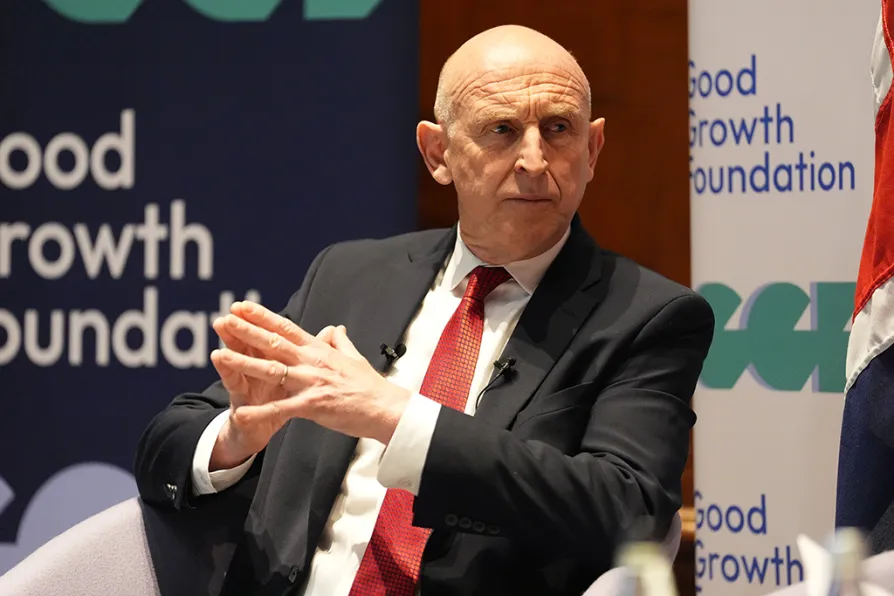
The defence secretary’s resignation reveals not a split over principle but a dispute over pace of military spending, as Britain’s political Establishment unites behind deeper Nato commitments, argues NICK WRIGHT
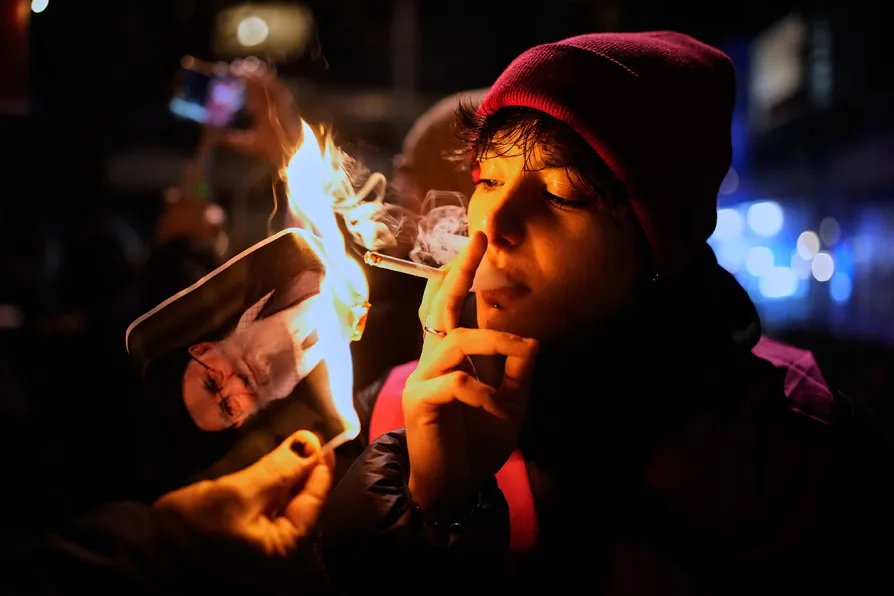
MOHAMMAD OMIDVAR, a senior figure in the Tudeh Party of Iran, tells the Morning Star that mass protests are rooted in poverty, corruption and neoliberal rule and warns against monarchist revival and US-engineered regime change
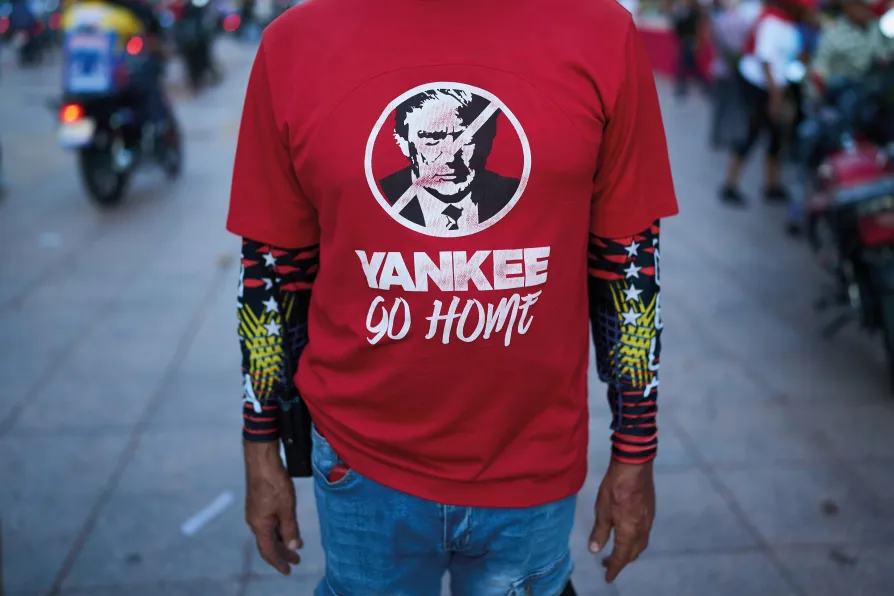
Western nations’ increasingly aggressive stance is not prompted by any increase in security threats against these countries — rather, it is caused by a desire to bring about regime changes against governments that pose a threat to the hegemony of imperialism, writes PRABHAT PATNAIK
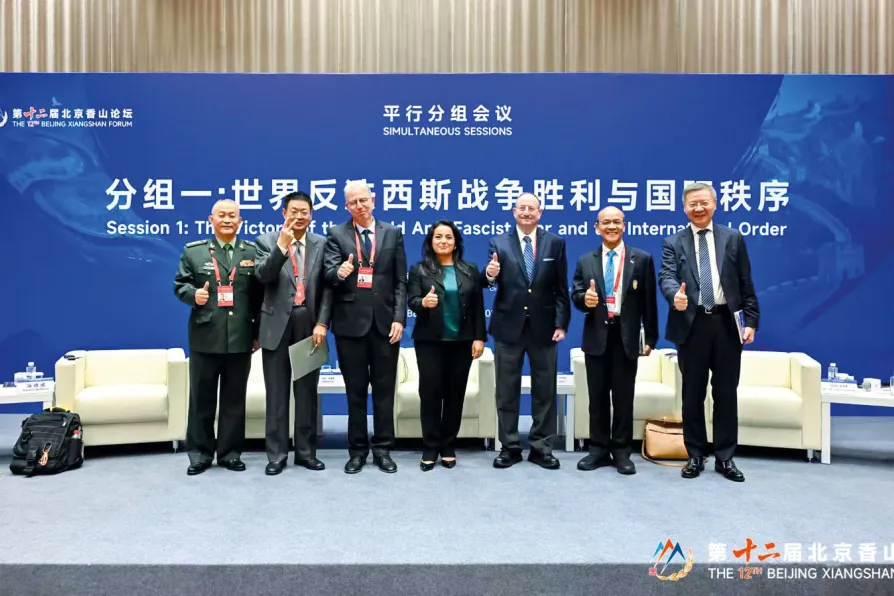
In a speech to the 12th Xiangshan Forum in Beijing, SEVIM DAGDELEN warns of a growing historical revisionism to whitewash Germany and Japan’s role in WWII as part of a return to a cold war strategy from the West — but multipolarity will win out