The Tories introduced the 50% strike ballot threshold to make industrial action harder. MATT WRACK argues that a Labour government has no justification for leaving it on the statute book


 Latest editorial
Speak truth to everyone, not just those in power
It’s not our fault that reality is Marxist, but if we do not escape the dead end of liberal leftism, it is our fault if no-one trusts us any more, argues MARYAM PASHALI
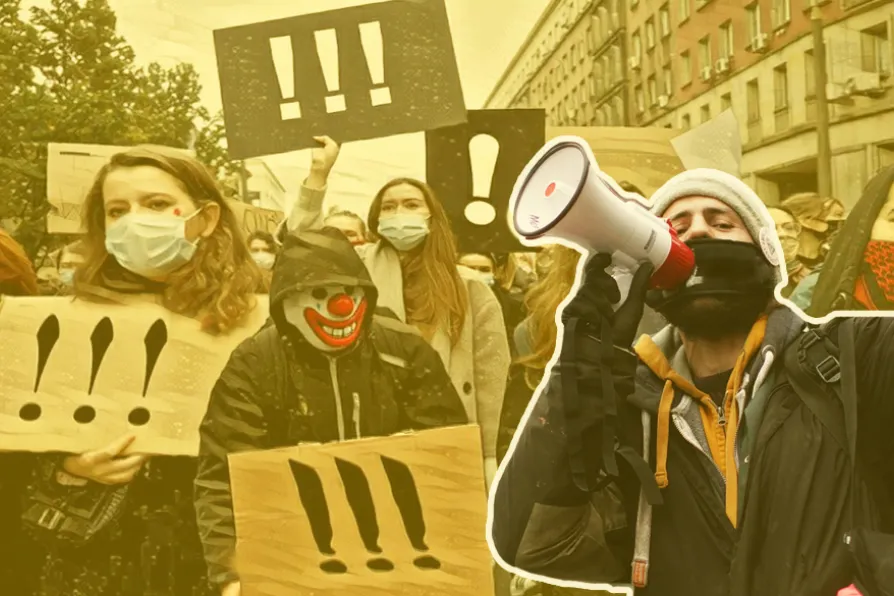 Telling people that are upset that they may be wrong about something will cause outrage and lose us fair-weather friends in the short term — but it has the potential to gain the trust of the masses as those that “tell it like it is.” We don’t just need to speak truth to power but speak truth to each other too.

In the wake of Ann Widdecombe’s murder, JOHN GREEN wonders whether the government will really get to grips with the root cause of these attacks on our MPs
The new PM’s opening addresses offered hope, council homes and reform — but little detail on how any of it will be delivered, warns CLAUDIA WEBBE
Despite the screeching from the right-wing media, Burnham’s speech chimed with the public mood - and socialists should take advantage, says Morning Star editor BEN CHACKO
Scotland's Labour leader cannot continue to evade responsibility for the party's decline, argues LAUREN HARPER
Nature as well as society works dialectically, asserts the Marx Memorial Library and Workers’ School


THE spectre of digitised revolution has been haunting youth across the political spectrum. The early 2010s marked the start of the age of rebellion stemming primarily from online spaces, with the hashtag #OccupyWallStreet spreading across platforms and democratising access to revolution.
Suddenly it felt like anyone with a keyboard could kick off a movement, expose corrupt politicians and denounce regimes through what Manuel Castells called “spaces of autonomy.” And like everything else that becomes divided according to the colours of political flags, online revolution quickly became sectarian to its core.
Internet-centric rhetoric rapidly became paramount to organisation and action, seemingly rendering old-school forms of civil rights and labour organisation obsolete. The digitised revolution soon became entwined with everyday political rhetoric, morphing and becoming distorted with each retweet, reblog, repost.

Similar stories
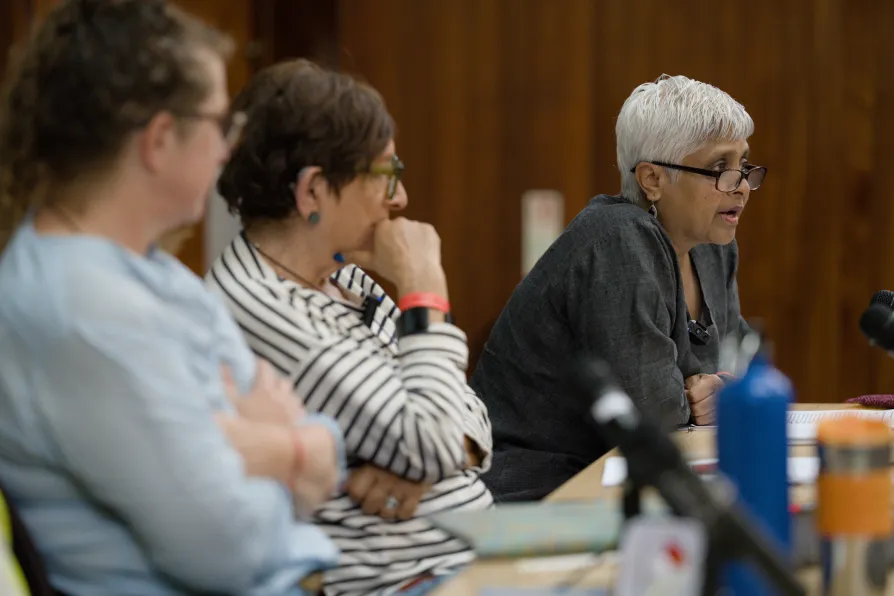
Socialists, feminists and trade unionists gathered in Manchester to launch a network committed to evidence-based activism with a renewed emphasis on class and collective struggle. ANNA BARRETT reports
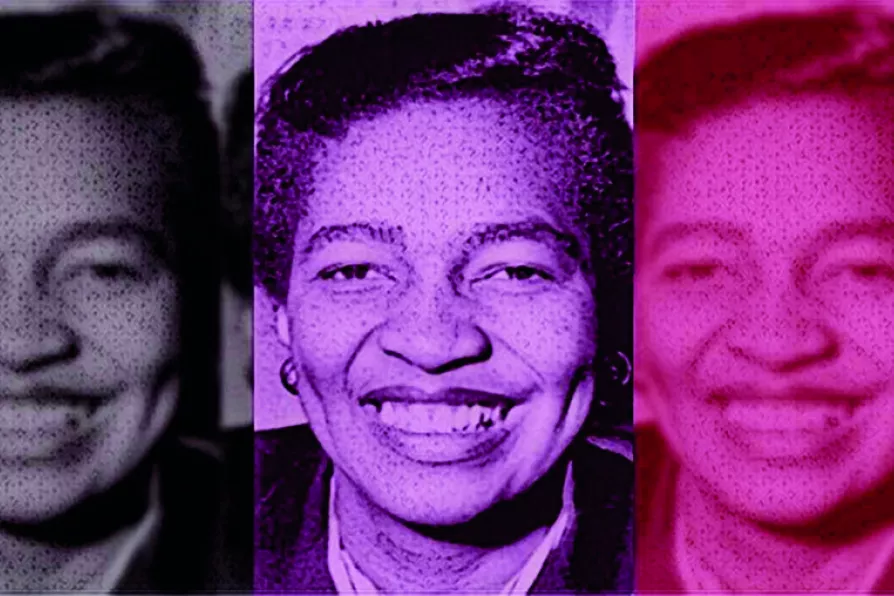
The pioneering activist understood that freedom could only be won through solidarity across communities. Her legacy offers vital lessons at a time when progressive politics risks losing that shared purpose
The Morning Star republishes PRAGNA PATEL’s speech at the annual commemoration of Claudia Jones on February 22 2026
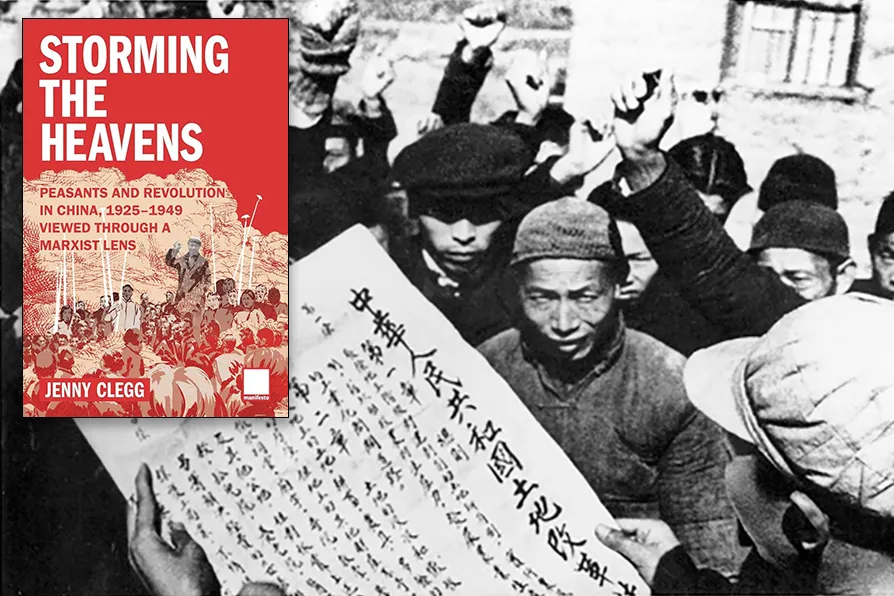
BEN CHACKO welcomes a masterful analysis that puts class struggle back at the heart of our understanding of China’s revolution
Plaid Cymru’s spokesman on health and social services MABON AP GWYNFOR, in the second article of a two-part series, argues that Labour’s contempt for voters and backward-facing approach have led to widespread mistrust in Wales