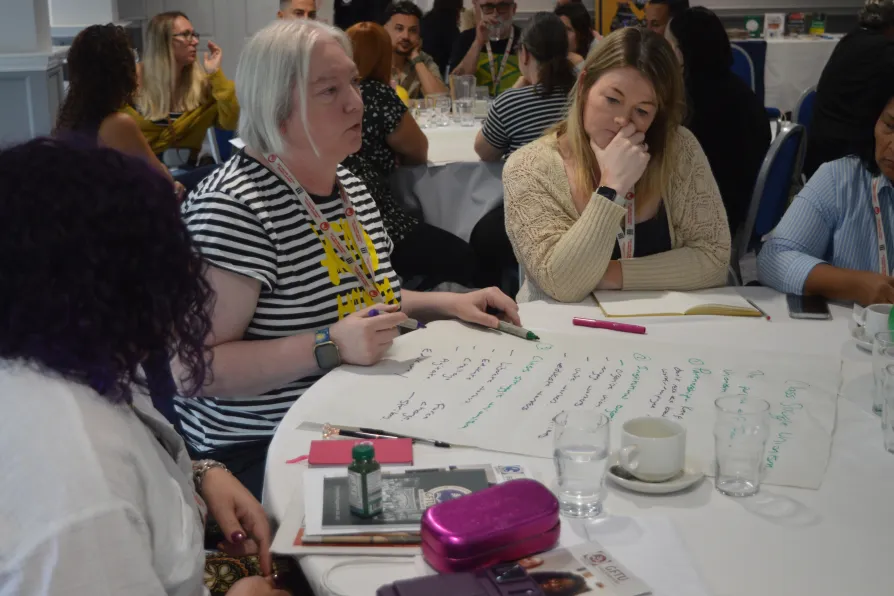
Assistant general secretary of the General Federation of Trade Unions HENRY FOWLER reports on day 1 from the GFTU’s residential Summer School at Quorn Grange Hotel


 Latest editorial
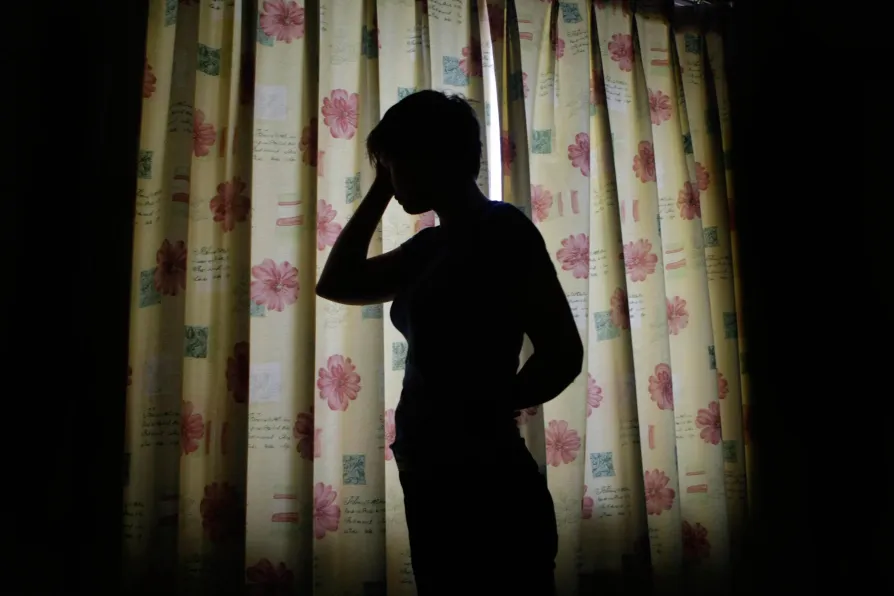
The traumatic power struggle within mental health
ALASTAIR KEMP and RUTH HUNT explain how ideological differences about the causes of mental illness have been leveraged to make the case for cutbacks
Strike Map co-founder HENRY FOWLER discusses the significance of today’s joint union letter to video game giant Rockstar, demanding trade union recognition for its workers. Their conversation highlights how our movement can harness its collective power to rebuild union power across the private sector
The PM leaves office having squandered Labour’s electoral mandate and alienated its grassroots. He will not be missed, writes BRIAN LEISHMAN MP
Durham Miners’ Association chair STEPHEN GUY speaks to Ben Chacko about the Reform threat, what’s needed from Labour and why the Big Meeting will never lose its politics
Poland’s anger over Ukraine’s celebration of the Nazi collaborationist UPA reflects more than historical grievance, says KENNY COYLE
Can Andy Burnham’s programme deliver a productive economy – or merely a softer version of capitalism, asks VINCE MILLS


ONE of the most vitriolic power struggles between professional groups is happening now and goes to the very essence of what is, or is not, mental illness.
Squaring off against each other are those who believe in a biomedical or genetic basis to mental illness (in the main, psychiatrists) and those who believe mental illness is a natural response to a threat or trauma (mainly psychologists).
At the root of it, is the battle between professions for legitimacy. Who should be controlling the narrative and who should be informing policy? Yet forgotten are the service users who are most affected by such policy arguments at this level.

Similar stories

RICHARD SHILLCOCK examines an enjoyable, but philosophically conventional book, and urges Marxists to employ their capacity to embrace the totality in any explanation

1943-2025: How one man’s unfinished work reveals the lethal lie of ‘colour-blind’ medicine
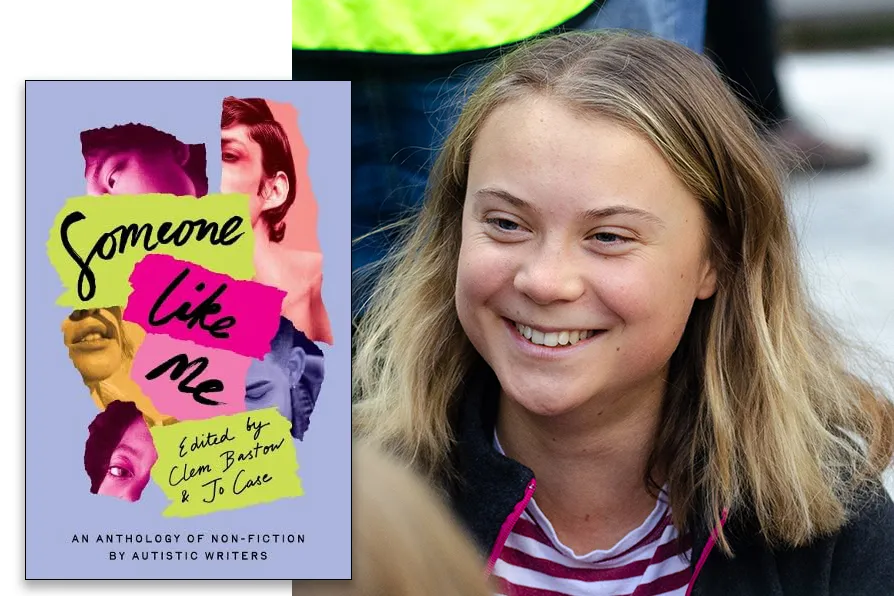
JOSEPHINE BARBARO welcomes a diverse anthology of experiences by autistic women that amounts to a resounding chorus, demanding to be heard

A new report from the Citizens Advice destroys the government narrative about disabled people ‘choosing’ not to work, showing the £3,000 annual cuts will create a two-tiered system based on claim dates rather than needs, writes DYLAN MURPHY