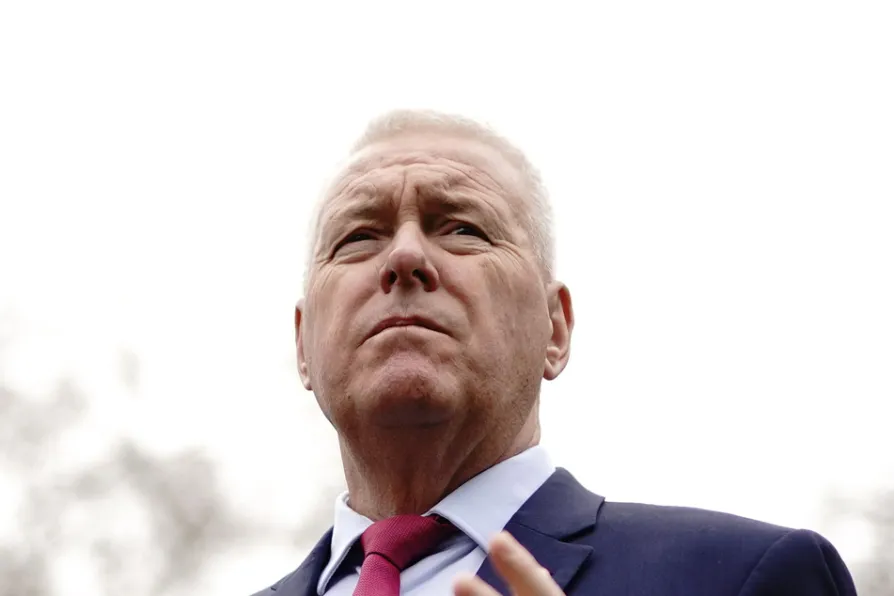
IAN LAVERY MP says an immediate focus on raising wages and reducing costs must be part of a strategy to show Labour can deliver for workers again


Universal basic income – the fad is over
The lived experience of disabled people is the final nail in the coffin of the once-trendy concept of univeral basic income, writes ELLEN CLIFFORD


Friedrich Merz’s call for a new Plaza Accord ignores how Washington’s 1985 currency ambush destroyed Japan without fixing US deficits — China, a sovereign socialist state with 1.4 billion consumers, cannot be bullied the same way, writes CARLOS MARTINEZ
World Peace Council president PALLAB SENGUPTA assesses the challenges facing the international peace movement and sends greetings to the Liberation AGM
KIERA MARSHALL says there is a gulf between the privileged circles in which most politicians move and the lives of working-class youth in left-behind estates – and as a newly elected Senedd member she’s determined to do something about it
ANGUS REID and ANDREW JOHNSTONE report on an initiative that we must take this summer
At last weekend’s International Conference Against War, LINDA PENTZ GUNTER talks to the Palestinian physician and politician about the struggles ahead to achieve a truly free Palestine


UNIVERSAL basic income (UBI) — a regular cash payment made to individuals without means-testing or conditionality — has been described as an idea whose time has come, supported across the political divide from free market libertarians to leftwingers attracted to the idea of emancipating the working class from wage labour.
Disabled people, as one of the groups at the sharp end of “welfare reform,” are not convinced that UBI can deliver the solution so desperately needed to fix the social security system.
A new report from Disabled People Against Cuts argues that the introduction of UBI could further disadvantage those who have suffered the most since 2010.
Although UBI pilots in India produced positive outcomes for disabled people, these tell us little more than that giving money to people with nothing is a good thing. Meanwhile, there is no precedent for replacing a complex, targeted social security system such as we have in Britain with a UBI.
Even the Organisation for Economic Co-operation and Development and World Bank, which are in favour of using UBI to ameliorate trends in the modern labour market such as rising job insecurity, reduced obligations on employers and lower wages, concede that it isn’t feasible to introduce it to Britain.
Existing benefit levels are so far below a guaranteed minimum income level here that it could only be financed through steep tax rises.

Similar stories
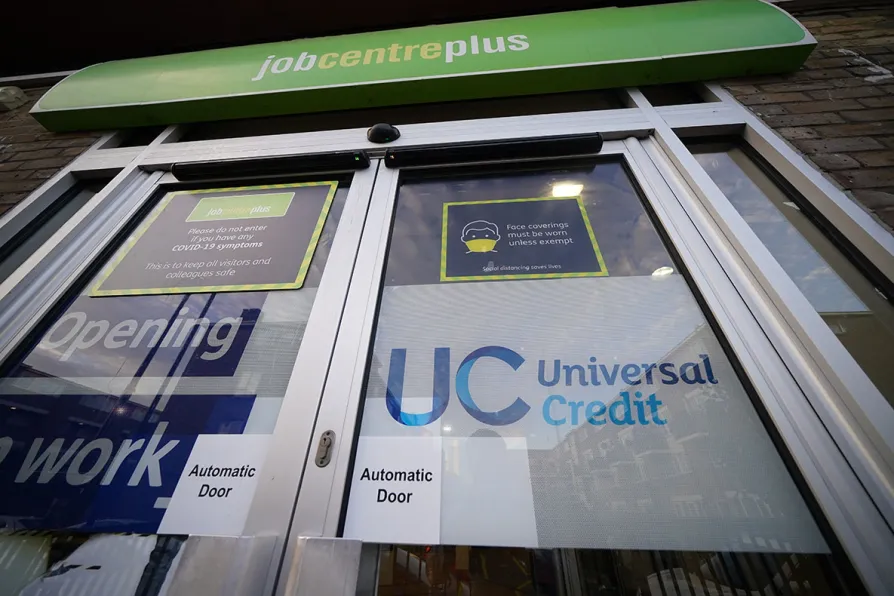
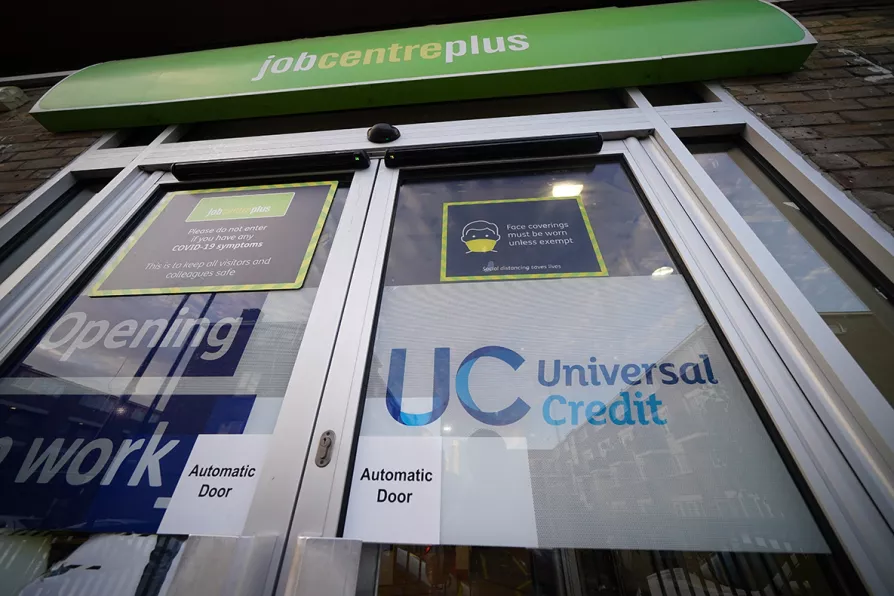
A new report from the Citizens Advice destroys the government narrative about disabled people ‘choosing’ not to work, showing the £3,000 annual cuts will create a two-tiered system based on claim dates rather than needs, writes DYLAN MURPHY

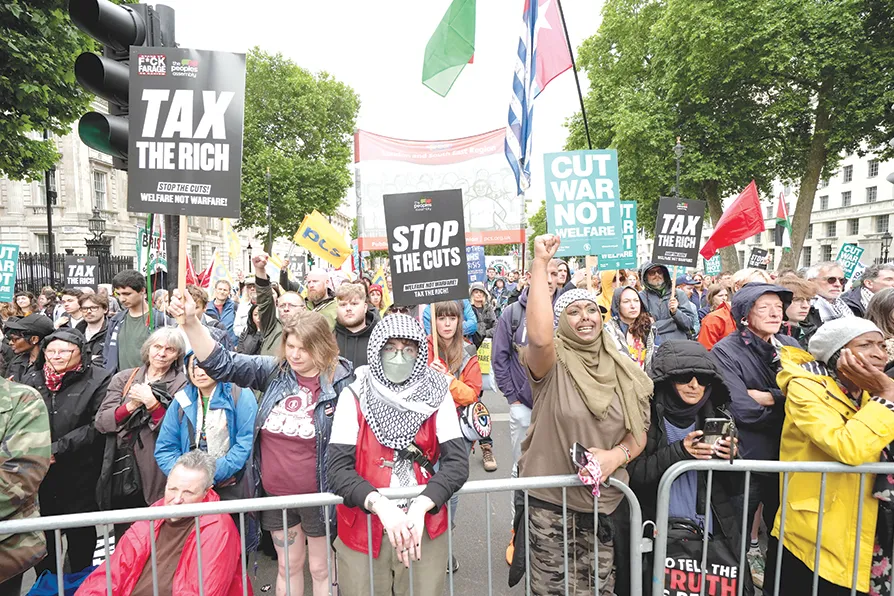
RICHARD BURGON MP points to the recent relative success of widespread opposition to the Labour leadership’s regressive policies as the blueprint for exacting the changes required to build a fairer society