The Tories introduced the 50% strike ballot threshold to make industrial action harder. MATT WRACK argues that a Labour government has no justification for leaving it on the statute book


 Latest editorial
We must fight to defend the rights we had under the EU
In the face of Tory machinations under the guise of a 'review,' the Scottish government and trade unions are opposing any downgrading of our employment protections, reports CHRIS STEPHENS MP
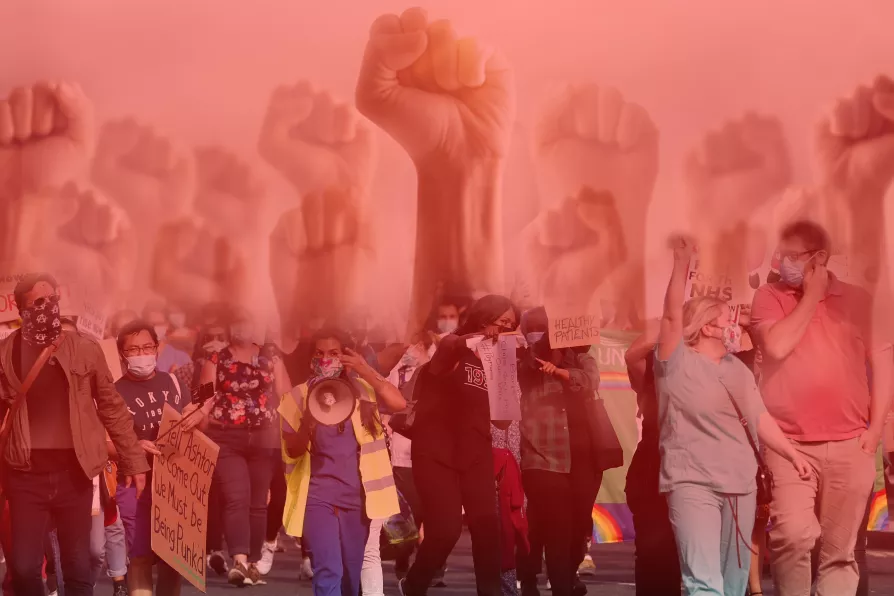 We can be confident that if the Tories were intent on protecting workers’ rights, they would simply maintain those already enshrined in EU law — rather than ploughing ahead with a review and selecting what they want to keep
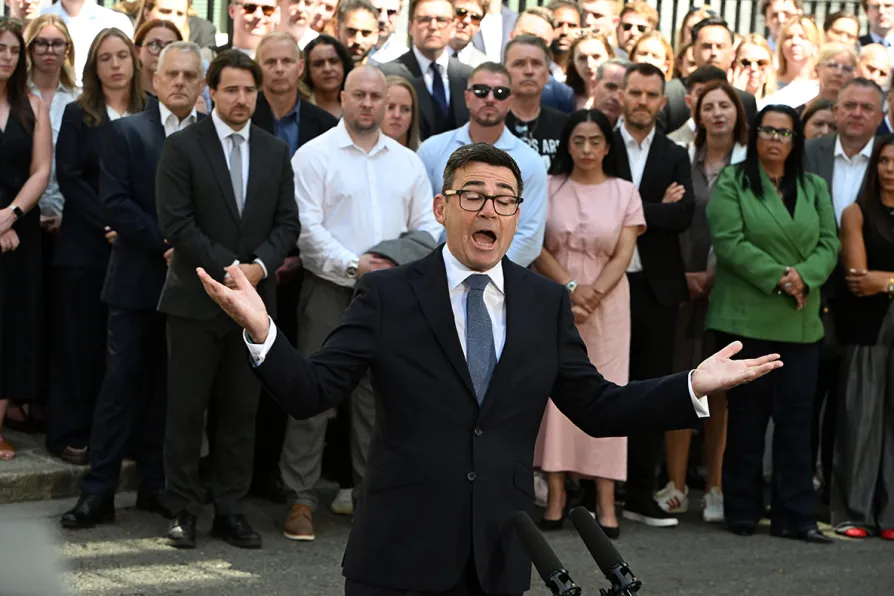
In the wake of Ann Widdecombe’s murder, JOHN GREEN wonders whether the government will really get to grips with the root cause of these attacks on our MPs
The new PM’s opening addresses offered hope, council homes and reform — but little detail on how any of it will be delivered, warns CLAUDIA WEBBE
Despite the screeching from the right-wing media, Burnham’s speech chimed with the public mood - and socialists should take advantage, says Morning Star editor BEN CHACKO
Scotland's Labour leader cannot continue to evade responsibility for the party's decline, argues LAUREN HARPER
Nature as well as society works dialectically, asserts the Marx Memorial Library and Workers’ School


I AM finalising this column on Burns Day morning, a day when many Scots celebrate our national bard, Robert Burns. Rather fittingly, the issue of workers’ rights was to be debated in the House of Commons later on. An appropriate occasion given the bard’s radical instincts and his call for workers’ representatives and women to be elected to Parliament; a call made long before trade unionists and women entered the green benches.
I am also finalising this column just having received confirmation that my name has not been taken for the call list to speak in this debate — an innovation introduced due to Covid-19 restrictions. I will outline below some of the key points I would have raised if called.
Regardless of one’s own view of Brexit, it was always a suspicion that the Farages, Patels, Johnsons and other hard-right figures saw it as a vehicle to eradicate employment rights. Indeed, many of them said so.

Similar stories
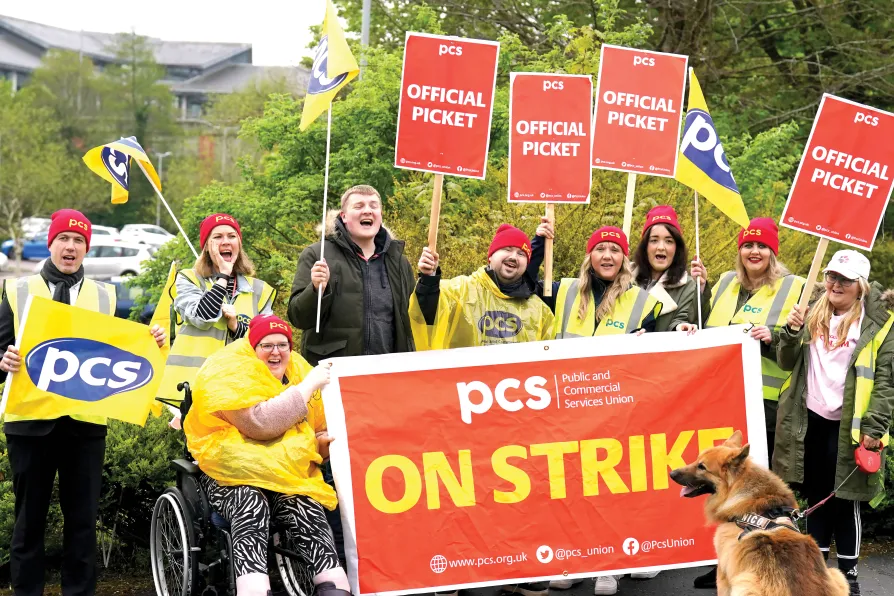
In part IV of a serialisation of his new book, JOHN McINALLY tells how austerity minister Francis Maude’s attempt to destroy the PCS Civil Service union totally backfired
Employment lawyer ALICE BOWMAN warns ‘day one rights’ include an undefined ‘initial period’ and the zero-hours contract fixes create baffling fixed-term loopholes. If the Bill doesn’t work properly and deliver, Labour is doomed

MARTYN GRAY asks TUC congress to endorse measures that would help stop the present exploitation of seafarers