The Tories introduced the 50% strike ballot threshold to make industrial action harder. MATT WRACK argues that a Labour government has no justification for leaving it on the statute book


 Latest editorial
Financial services workers: paying for it
As membership has dropped drastically since the crash, the unions have no option but to ditch partnership and fight, argues GREGOR GALL
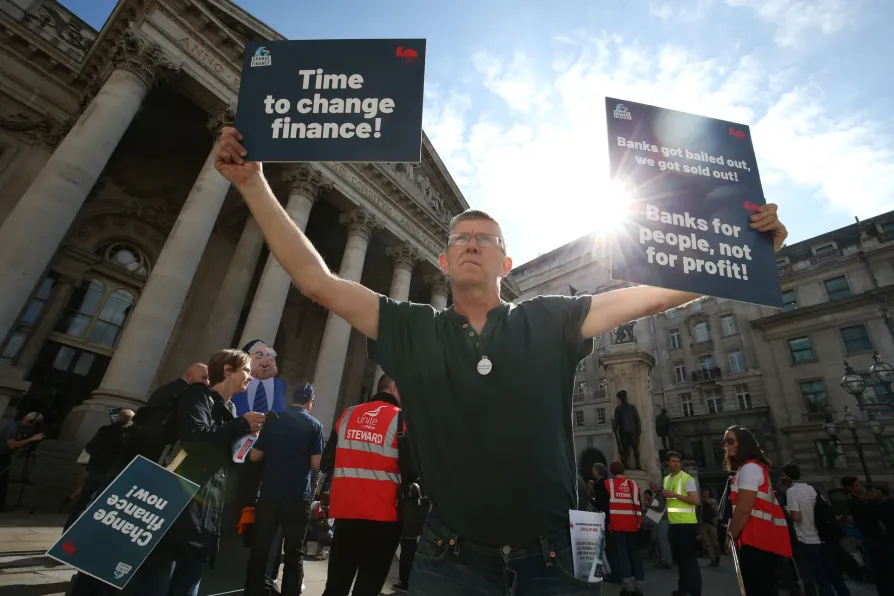 Protesters calling for banking reform at a rally to mark the 10th anniversary of the collapse of Lehman Brothers and the financial crisis, outside the Royal Exchange building in the City of London
In the wake of Ann Widdecombe’s murder, JOHN GREEN wonders whether the government will really get to grips with the root cause of these attacks on our MPs
The new PM’s opening addresses offered hope, council homes and reform — but little detail on how any of it will be delivered, warns CLAUDIA WEBBE
Despite the screeching from the right-wing media, Burnham’s speech chimed with the public mood - and socialists should take advantage, says Morning Star editor BEN CHACKO
Scotland's Labour leader cannot continue to evade responsibility for the party's decline, argues LAUREN HARPER
Nature as well as society works dialectically, asserts the Marx Memorial Library and Workers’ School


Ten years ago this month, the collapse of Lehman Brothers was the first thunderclap of what would become the storm of the great financial crisis of 2008-2009. The first rumble to be heard was of the panic around subprime mortgages in the United States.
The contagion spread to Britain, with the first run on a bank in one hundred and fifty years happening. This was Northern Rock. It was “nationalised” along with some other building societies and Royal Bank of Scotland and LloydsTSB. Barclays only avoided needing a government bailout due to securing questionable loans from Qatar.
The contagion spread into the wider economic system in Britain, with the credit crunch giving way to a financial crash and then a recession and that recession then gave way to an age of austerity in public spending and welfare which we are still living with today.
For a crisis that started in the financial services sector and for a sector that was affected more by the crisis than any another, relatively little is known about how it has affected the workers in this particular sector of the economy.

Similar stories
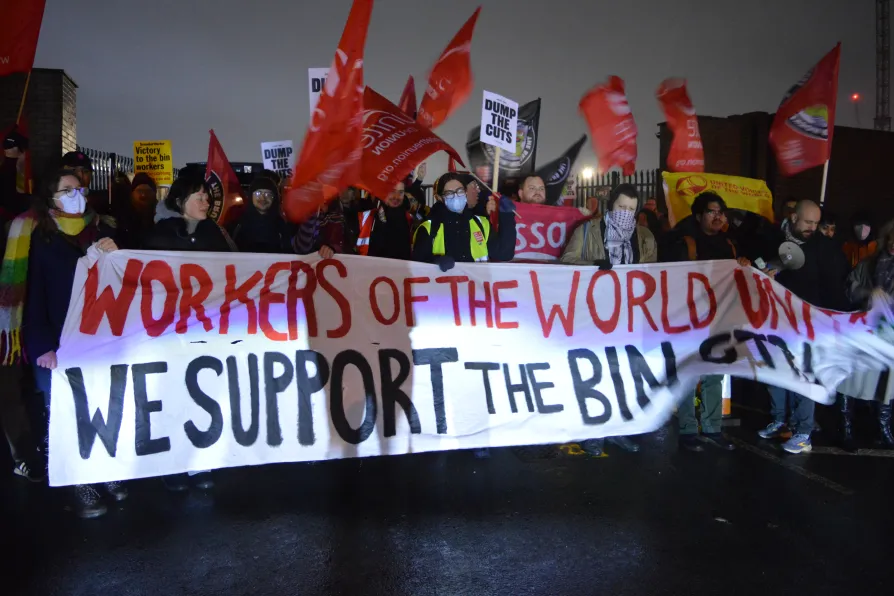
By making it simpler to support workers in struggle, Strike Map’s new Solidarity Fund aims to strengthen strikes when they need it most, write ROBERT POOLE and HENRY FOWLER

Cuts are sweeping campuses as cash-strapped universities slash staff and politicians fail to act on a growing funding emergency. VINCE MILLS reports
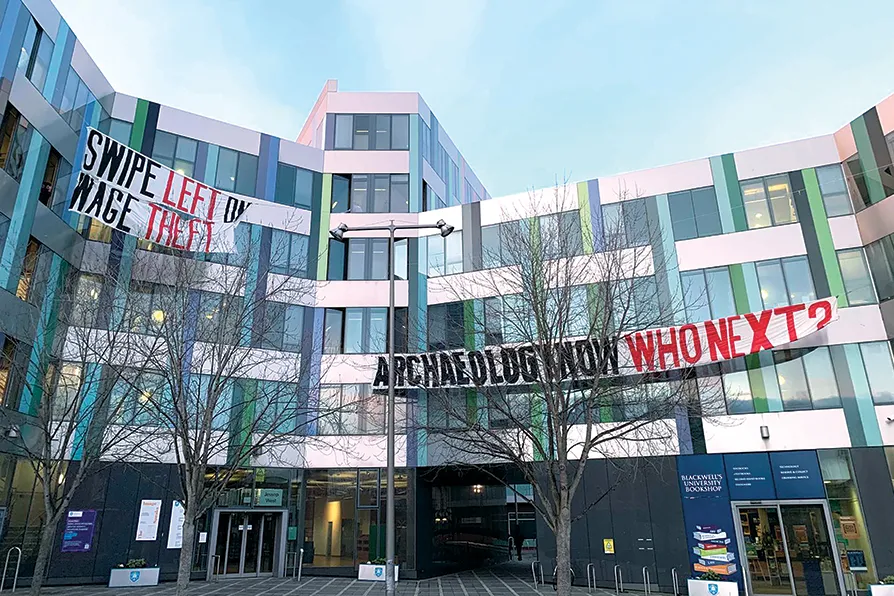
JACK DAVIDSON explains the motivation behind the UCU strike action at the University of Sheffield
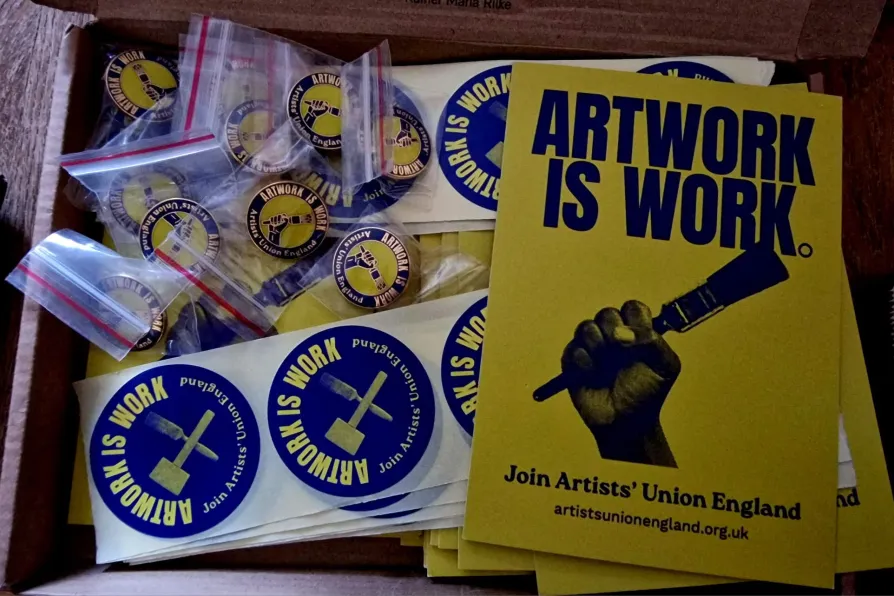
Artists should not be consigned to a life of precarious working – they deserve dignity and proper workers’ rights, argues ZITA HOLBOURNE