The Tories introduced the 50% strike ballot threshold to make industrial action harder. MATT WRACK argues that a Labour government has no justification for leaving it on the statute book


 Latest editorial
The heavy price of rewriting history
PETRO SYMONENKO tells Ben Chacko how the present regime in Ukraine, backed
by extreme right forces, has been conducting a ‘cold war’ on all fronts against communists and progressives making a mockery of its claims to be democratic
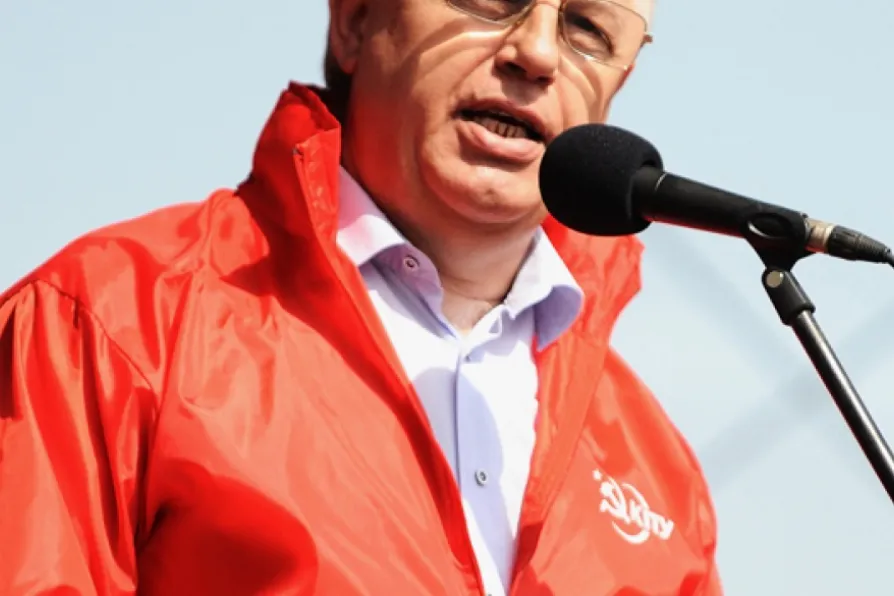 VOICE OF REASON: Petro Symonenko, leader of the Communist Party of Ukraine (KPU), addressing a rally
[KPU]
VOICE OF REASON: Petro Symonenko, leader of the Communist Party of Ukraine (KPU), addressing a rally
[KPU]
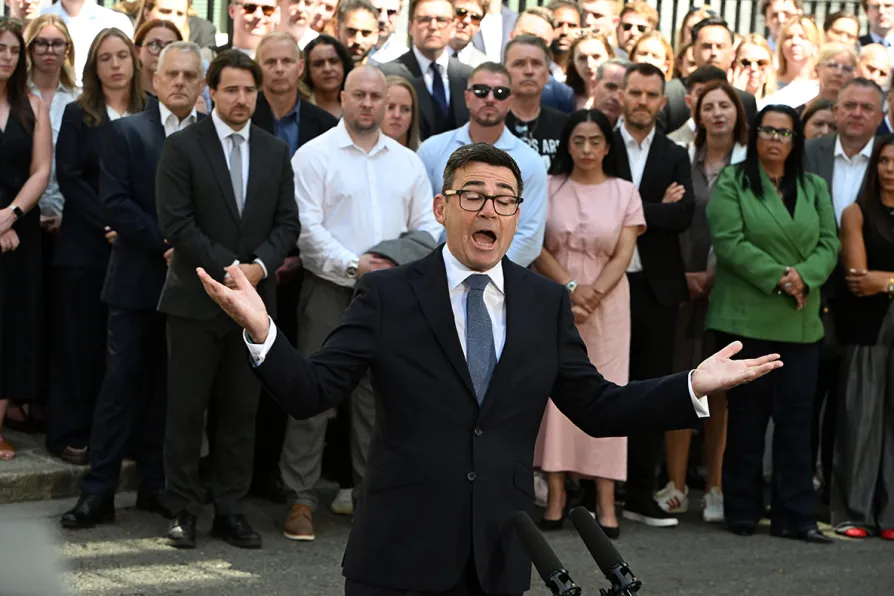
In the wake of Ann Widdecombe’s murder, JOHN GREEN wonders whether the government will really get to grips with the root cause of these attacks on our MPs
The new PM’s opening addresses offered hope, council homes and reform — but little detail on how any of it will be delivered, warns CLAUDIA WEBBE
Despite the screeching from the right-wing media, Burnham’s speech chimed with the public mood - and socialists should take advantage, says Morning Star editor BEN CHACKO
Scotland's Labour leader cannot continue to evade responsibility for the party's decline, argues LAUREN HARPER
Nature as well as society works dialectically, asserts the Marx Memorial Library and Workers’ School


CLASHES over the removal of statues to Confederacy leaders in the United States have dominated headlines over the past month.
The politics of this new iconoclasm is hotly debated on the left: should statues of racists, tyrants and oppressors be torn down on principle, or should countries have to look their past, however ugly, in the eye? Who decides which statues are unacceptable, and on what grounds?
The battles in the US are more complicated than that: many statues do not date from the civil war but were erected in the era of the Jim Crow laws as a conscious symbol of the subjugation of Black people; their current role as active rallying points for white supremacists and fascists strengthens the left case for tearing them down.

Similar stories

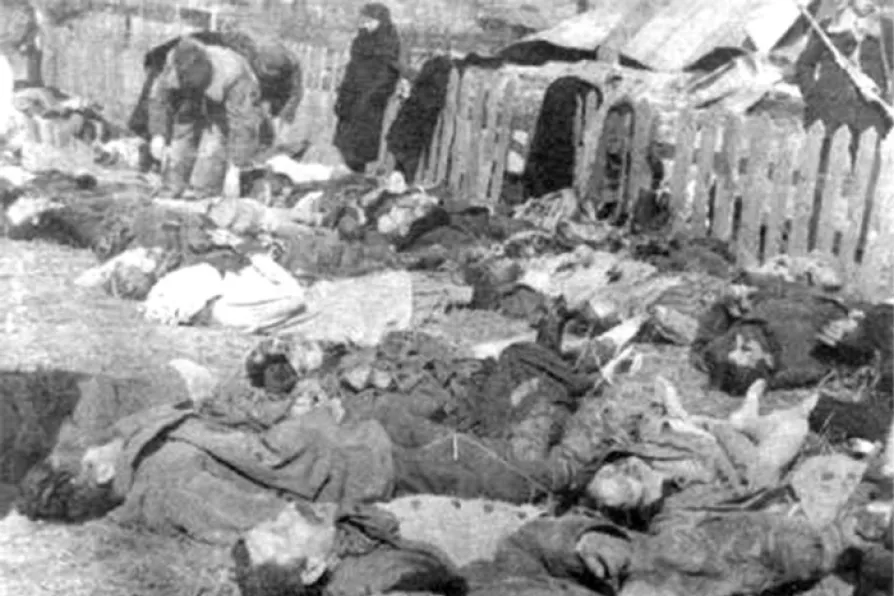
Poland’s anger over Ukraine’s celebration of the Nazi collaborationist UPA reflects more than historical grievance, says KENNY COYLE

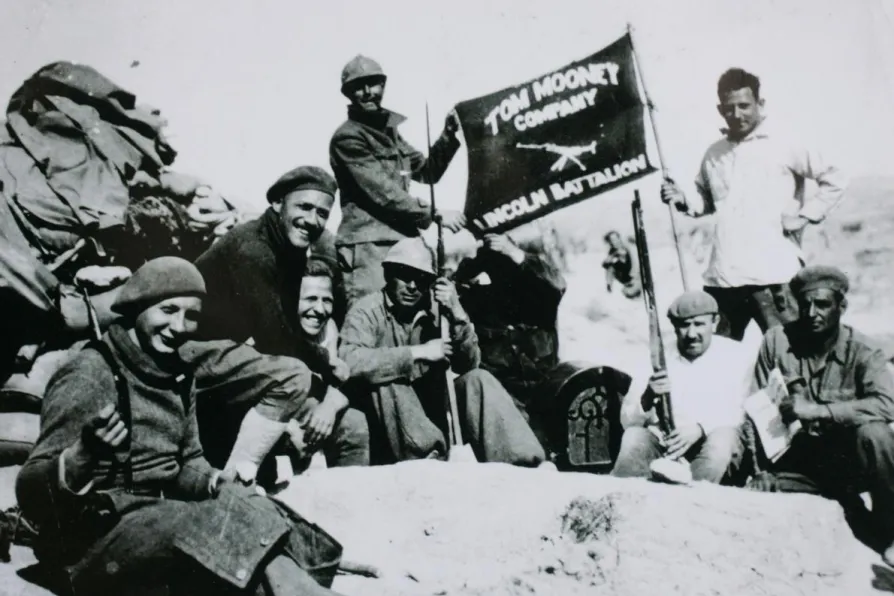
CJ ATKINS commemorates one of the most dramatic moments in working-class history