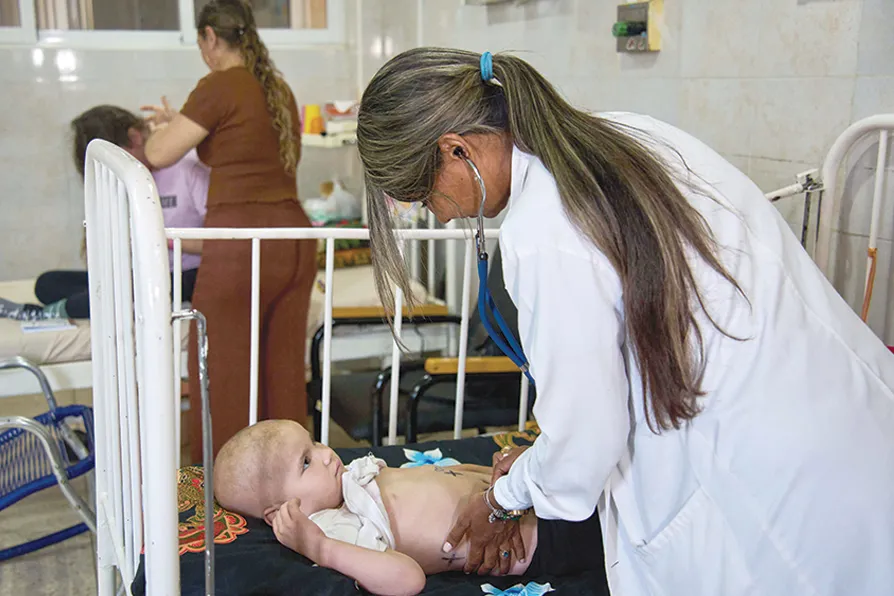
Once a source of national pride, Cuba’s healthcare system declines as energy shortages deepen crisis, writes ANDREA RODRIGUEZ


 Latest editorial
The housing crisis that threatens to finally destroy the Irish language
A government disinterested in making serious economic and social interventions for native speakers of the Irish language, coupled with a neoliberal housing policy, is killing off Ireland’s last Gaelic strongholds, writes MORGAN DE MOINBHIOL
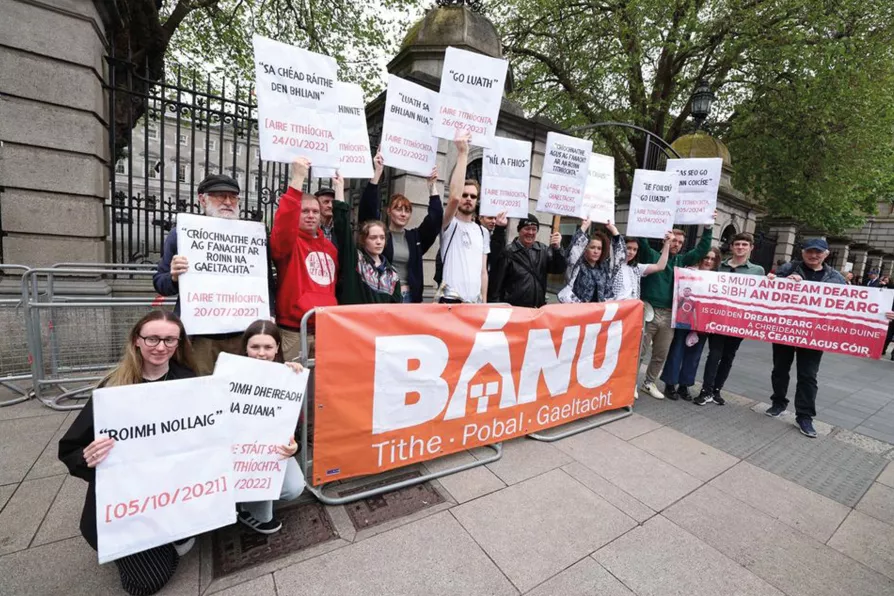 Activists with the Banu campaign protest the lack of action for housing in the Gaeltacht, a major factor in erasing the heartlands of native Gaelic-speaking communities. Holiday homes, short-term rentals and Airbnb are now a major threat to the 2,500-year-old language
By making it simpler to support workers in struggle, Strike Map’s new Solidarity Fund aims to strengthen strikes when they need it most, write ROBERT POOLE and HENRY FOWLER
ANSELM ELDERGILL explains why the rule of law is fundamental to our liberty and welfare
Only an ambitious programme of state-led investment can restore growth and improve living standards, argues MICHAEL BURKE
Thousands of remarkable Britons left ordinary lives behind to join the struggle against Franco. Here is a snapshot of those who answered the call
The present drive to war is a cynical and deliberate diversion from deteriorating living standards, argues MATT KERR


WITH the release of the Irish-language biopic Kneecap, the nomination of Irish-language films at recent Oscars and more and more Irish celebrities using Irish, you’d be forgiven for thinking the Irish language was in an assured and popular place.
However, the material conditions of Ireland’s 20,000 daily speakers inside its designated language districts, the Gaeltacht, starkly contrast with a language in vogue. These sharply defined conditions felt by its native speakers (especially the youth) reaffirm the urgent point laid out in the Kneecap film’s final message: a minority language dies every 40 days on this planet.
After centuries of colonial subjection and 100 years of independence in 26 of its counties, Ireland’s once nationwide majority language is now reduced to scattered regions along its most westerly coasts.

Similar stories
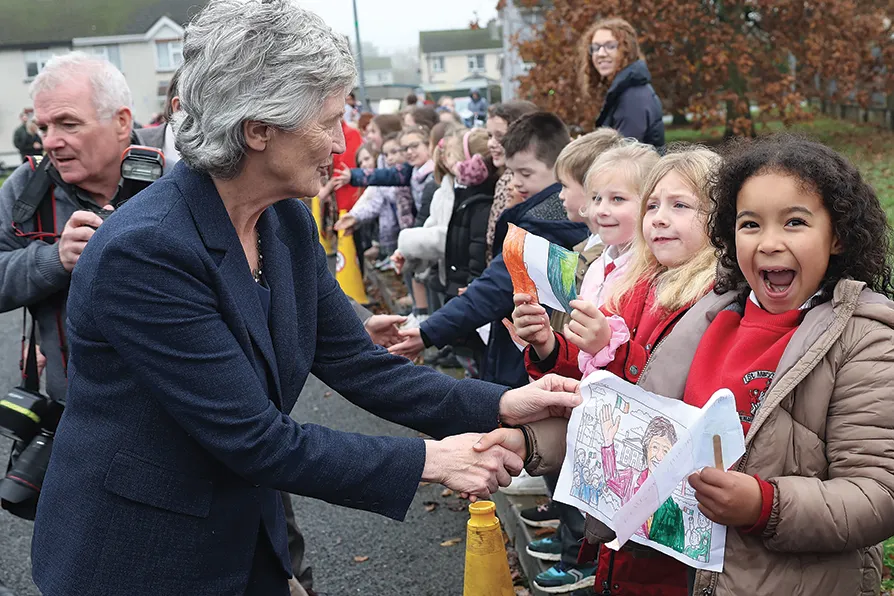
The unifying victory of Irish progressive forces in the presidential campaign should be a salutary lesson to the left in this country, argues MARY GRIFFITHS CLARKE
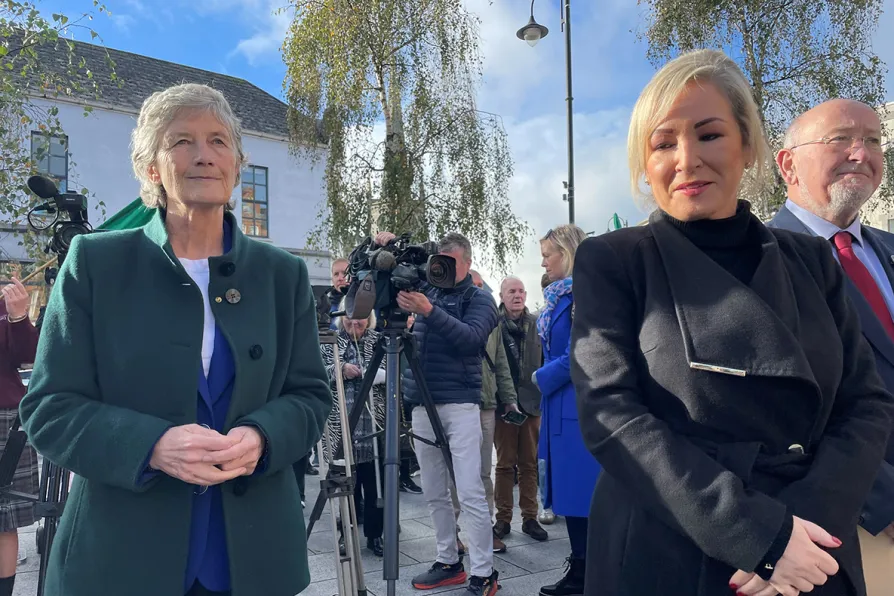
The independent TD’s campaign has put important issues like Irish reunification and military neutrality at the heart of the political conversation, argues SEAN MacBRADAIGH
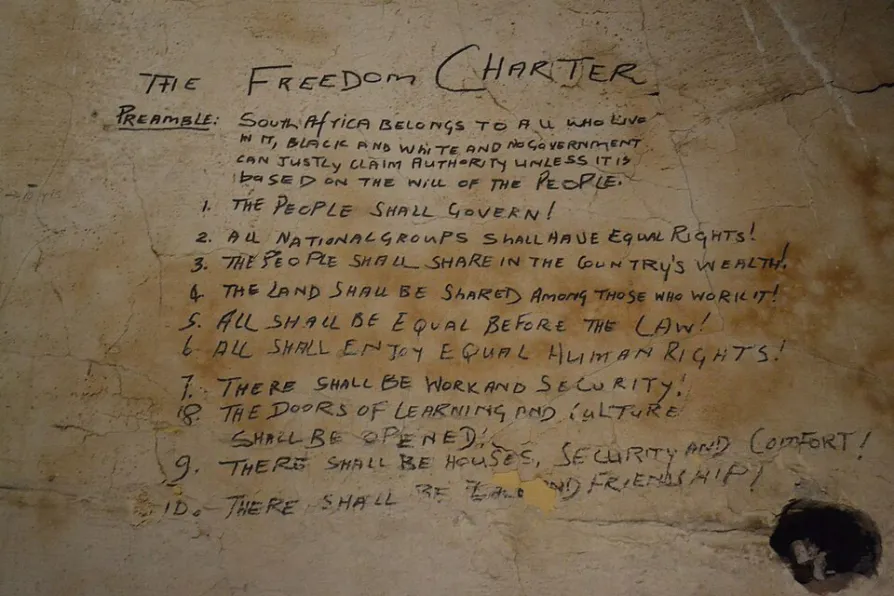
The charter emerged from a profoundly democratic process where people across South Africa answered ‘What kind of country do we want?’ — but imperial backlash and neoliberal compromise deferred its deepest transformations, argues RONNIE KASRILS