HENRY FOWLER, assistant general secretary of the General Federation of Trade Unions (GFTU), reports on Day 2 from the GFTU’s residential Summer School at the Workers’ Retreat, Quorn Grange Hotel


 Latest editorial
How Nato promotes its nuclear agenda
The supposed ‘defensive alliance’ is anything but – as RAE STREET reminds us
 Nato's logo seen at its 70th anniversary summit last year
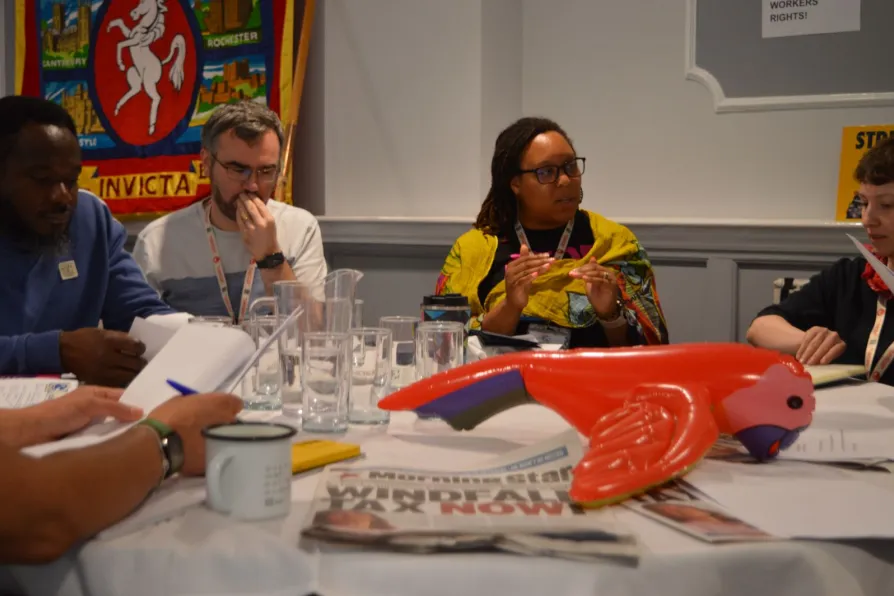
Assistant general secretary of the General Federation of Trade Unions HENRY FOWLER reports on day 1 from the GFTU’s residential Summer School at Quorn Grange Hotel
MPs and others called for the urgent release of tortured Palestinian doctor, Hussam Abu Safiya, held hostage by Israel and reportedly near death, reports LINDA PENTZ GUNTER
Strike Map co-founder HENRY FOWLER discusses the significance of today’s joint union letter to video game giant Rockstar, demanding trade union recognition for its workers. Their conversation highlights how our movement can harness its collective power to rebuild union power across the private sector
Capitalism has exploited — and polluted — our natural resources for too long, it’s time we treated our rivers as living beings, writes MIRIUM GAUNTLETT, LIAM SHAW and ROX MIDDLETON
The PM leaves office having squandered Labour’s electoral mandate and alienated its grassroots. He will not be missed, writes BRIAN LEISHMAN MP


NATO was once described as the “military arm of the US empire” — and one might add “nuclear empire.”
As we remember the bombing of Hiroshima on August 6 1945, the horrendous suffering which was brought about on that day to the people of Japan and later on August 9, Nagasaki Day, it is worth thinking about Nato’s policies and in particular its nuclear policies.
Since the end of totalitarian communism, unlike the Warsaw Pact which was disbanded, Nato has been expanding. It now has 30 member states.

Similar stories
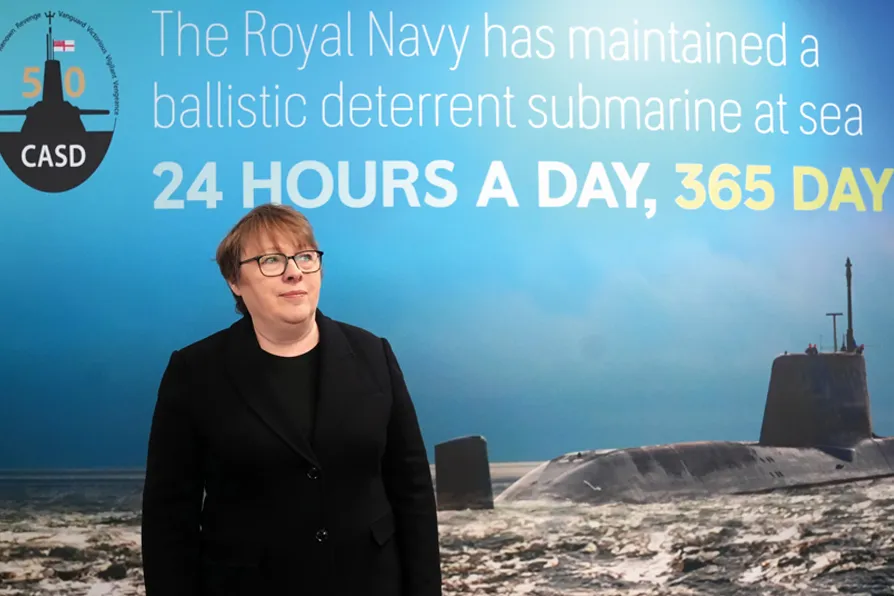
Expanding Britain’s nuclear capability increases the risk of nuclear confrontation. It does not keep us safe – it makes us a target, argues CAROL TURNER
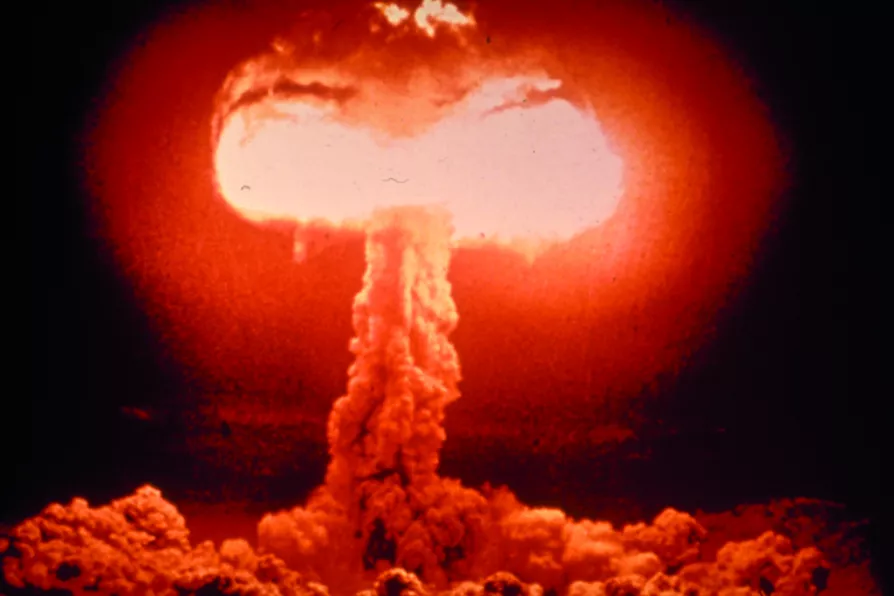
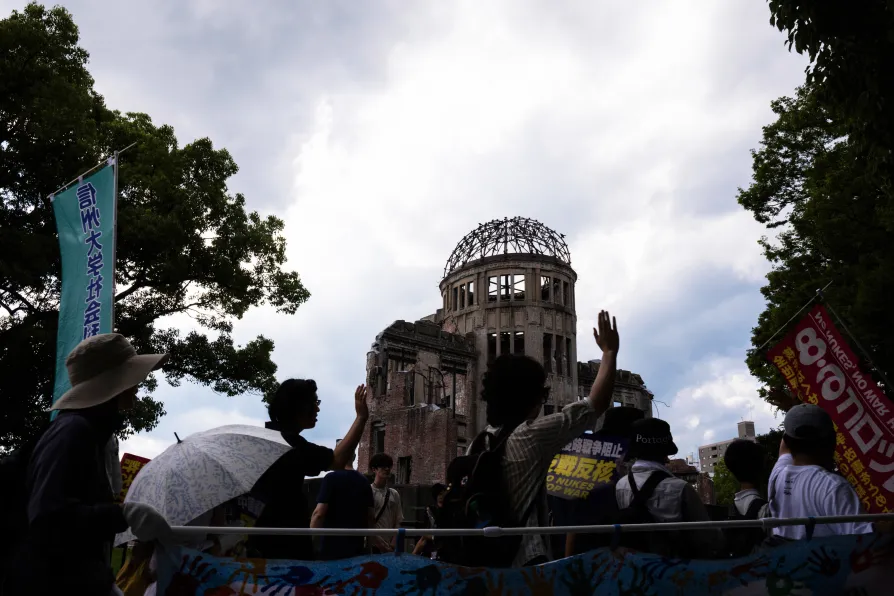
For 80 years, survivors of the Hiroshima and Nagasaki atomic bombings have pleaded “never again,” for anyone. But are we listening, asks Linda Pentz Gunter

JEREMY CORBYN reports from Hiroshima where he represented CND at the 80th anniversary of the bombing of the city by the US