Latest editorial
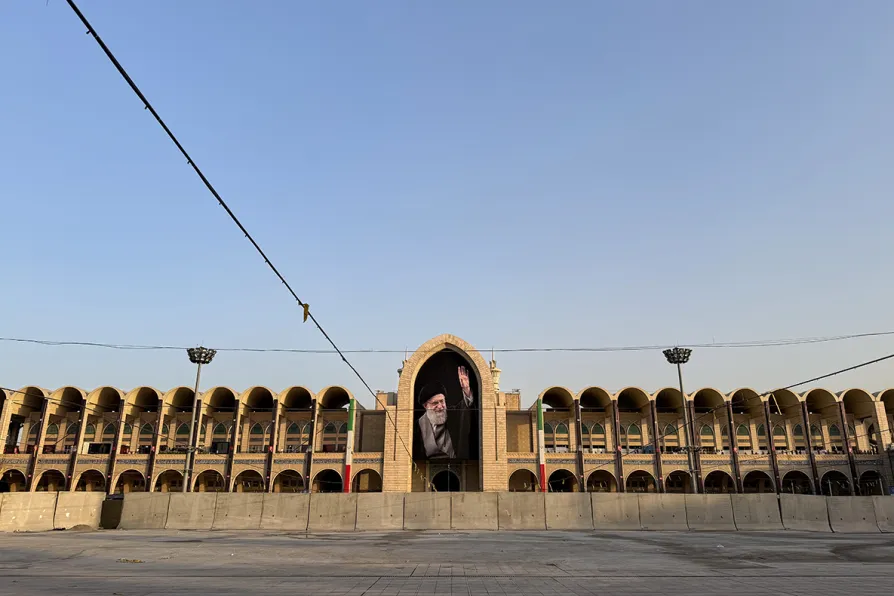 The esplanade of the Imam Khomeini Mosalla Grand Mosque is seen as preparations are underway ahead of the dayslong funeral ceremonies for slain Iranian Supreme Leader Ayatollah Ali Khamenei in Tehran, Iran, July 3, 2026


IRAN’S parliamentary speaker warned the United States today it would respond to any violations of the ceasefire by the US or Israel as the country began days of mourning ceremonies for former supreme leader Ayatollah Ali Khamenei.
Khamenei was killed, alongside his daughter, daughter-in-law, son-in-law and three-year-old granddaughter in a US-Israeli strike on the first day of their unprovoked war against Iran.
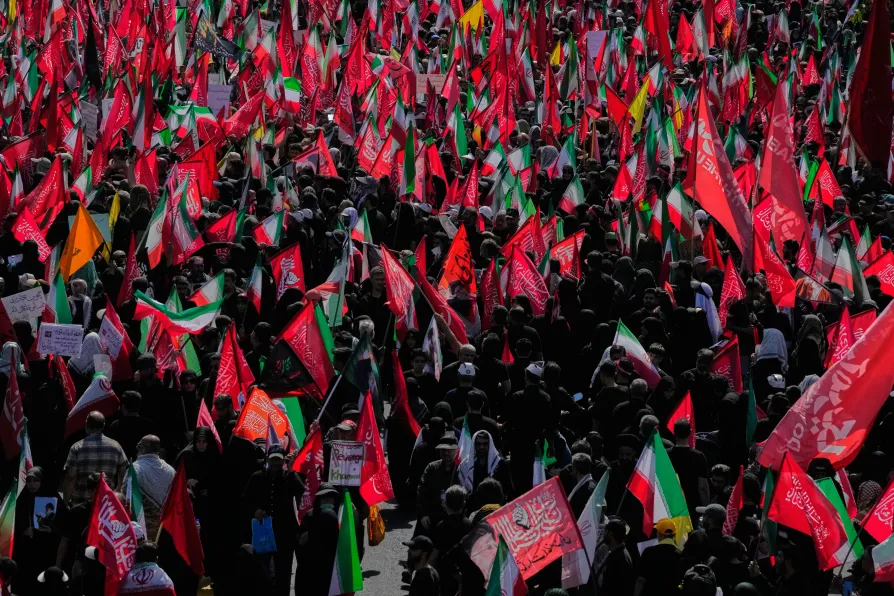
Iranian officials expect 20 million people in Tehran for his funeral, which will be staggered over six days and include his coffin being displayed in several cities chosen for their religious significance in both Iran and Iraq.
Khamenei was the second supreme leader in Iran’s theocratic system since its foundation in 1979, succeeding Grand Ayatollah Ruhollah Khomeini in 1989.
Over 100 countries are sending representatives to the funeral, with Iranian officials beginning tributes by the coffin today. President Masoud Pezeshkian was shown on TV praying by its side, while military commander-in-chief Major-General Amir Hatami pledged to “avenge the blood of the martyred leader.”
Parliamentary Speaker Mohammad Bagher Qalibaf said the US and Israel were dragging their feet on implementing ceasefire agreements, delaying a peace treaty. Iran would take “proportionate actions” in response, he warned, adding that Washington and Tel Aviv “did not achieve any of their goals in the Ramadan war” and “ultimately requested a ceasefire themselves.”
Israel launched more air raids across Lebanon today. Iran says Israel’s aggression in Lebanon must end for the ceasefire to hold, but the US remains vague on whether it expects Israel to comply and Tel Aviv has warned it will not.
Israeli politicians are publicly critical of the US effort to extract itself from the war, and the country is accused of seeking to prevent a deal.
On Thursday, the New York Times reported that US officials feared Israel would assassinate Iranian negotiators and had themselves alerted Tehran to this risk. It named Foreign Minister Abbas Araghchi and Mr Qalibaf as targets Israel had identified for assassination and suggested the diversion of Mr Qalibaf’s plane returning from talks with the US in Islamabad in April may have resulted from this tip-off.

Meanwhile, Israeli soldiers kill at least five Palestinians, including a nine-year-old girl, in Gaza