The new Prime Minister must abandon decades of automatic support for US foreign policy, which makes us all less safe, argues DIANE ABBOTT MP


 Latest editorial

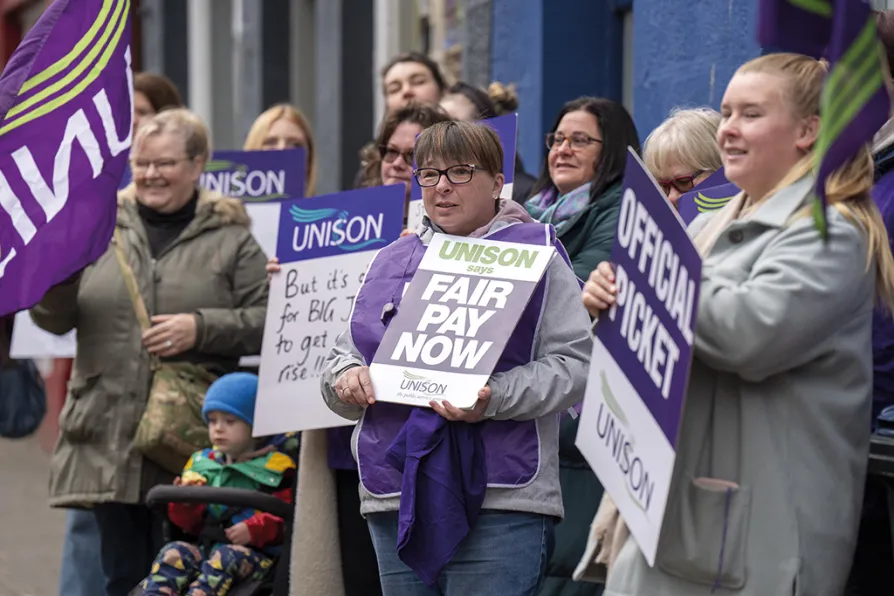
Low-paid women workers must be at the heart of the trade union movement
As Unison launches its Year of Women Workers, ANNIE COGAN-THOMAS argues that stronger organisation and collective bargaining are essential to winning equality

Media Lens at 25: David Cromwell and David Edwards reflect on a quarter-century of media criticism, explaining why independent journalism is more important than ever
by Weyman Bennett and Maz’s family
The International Court of Justice has delivered its clearest ruling yet that the right to strike is protected under international law, write Professor TONIA NOVITZ, Professor KEITH EWING and Lord JOHN HENDY KC
Emergency phone alerts could help Britain respond to rising wildfire risk, but Australia’s experience suggests they work best as part of a broader strategy, write ELLIOT CONVERY-FISHER and KATE PARKINS
A champion motorcyclist, trade union organiser and communist, Clem Beckett went from Britain’s speedway tracks to the battlefields of Spain, where he gave his life resisting Franco’s forces at Jarama. GEOFF BOTTOMS pays tribute to this remarkable anti-fascist


THIS week at Unison’s national delegate conference we will see the official passing for the launch of “2027 Year of Women Workers.”
Women make up 77 per cent of Unison’s 1.3 million members. The motion calls to develop activities that champion contributions of female workers, raise awareness of women’s rights and discrimination and promote women’s equality. It also calls for an audit of training structures across Unison to highlight where gaps pushing women out may exist.
Over half of Unison’s million-strong female base are employed in underpaid, part-time, or heavily outsourced front-line roles, including social care workers, school and NHS support staff. These female dominated work forces are some of the most underpaid and exploited in Britain.
Social care, for example, officially ranks as the second lowest-paying major employment sector in the UK and women make up 79 per cent of its workforce. The work sectors that Unison represents are feminised due to the fact that they have been historically viewed as extensions to women’s work in the home, caring for children, the elderly and the unwell, cooking, cleaning and so on.
This partly gives reason to why these jobs are undervalued. Female-dominated workplaces are often part-time, zero-hours or temporary. This is framed as something positive, “flexible” and “family-friendly” but this is a facade.
Precarious work and no financial stability weakens women’s ability to make demands in the workplace through collective bargaining or otherwise. This, along with a lack of properly funded public services such as child care and social care provisions, leaves women in a cycle of poverty and powerlessness.
The TUC passed its first equal pay resolution in 1889. When tackling the issue of equal pay for women we must look beyond legislation as it is clear that laws alone will not solve the still existing 12.8 per cent gender pay gap in the UK and the billions of pounds of unpaid labour in care that women contribute to the UK economy each year.
As discussed above, the lack of funding for public services exacerbates the poverty trap faced by many women. At the same time, public service budgets are being cut while defence spending is increasing sharply. As a result, the struggle for peace, properly funded public services, and an end to war is closely linked to the fight for women’s equality, including equal pay.
In the UK the percentage of workers in a trade union stands at around 22 per cent and for social care workers in the private sector only 15 per cent are trade union members.
This vast number of potential members are largely low-paid women workers. Despite these depressing statistics, since Unison launched its organise to win strategy the union has been in a steady incline despite trade union membership in general being still very low.
This proves that the best way to fight for equal pay for women is through a focus on organising. Targeted campaigns, empowering lay members to be activists in the workplace, mapping, educating members and moving away from the servicing model. We must ensure that no branch is lagging behind in this.
Branches must work to empower lay members to organise in their own workplace. There are large branches across the union that have very few workplace reps and the schools and the private sections of social care are some of the most underpaid and exploited workers, yet we have few reps in these areas.
This is short-sighted and does women workers a great disservice. The main way we will win for women is by collective action and strengthened bargaining rights. We must as trade unionists look beyond the union internationally and look outwards at the potential of a strongly organised public sector where women naturally lead because they are the majority.
When workers win, women win. Low-paid women workers must not be treated as a subsection of the trade union movement. Women workers are the union.
Annie Cogan-Thomas is a Unison steward.

Similar stories

The new Employment Rights Act is a step forward, but restoring collective bargaining and union power remains essential to tackling insecurity, outsourcing and low pay, says PAUL WHITEHOUSE
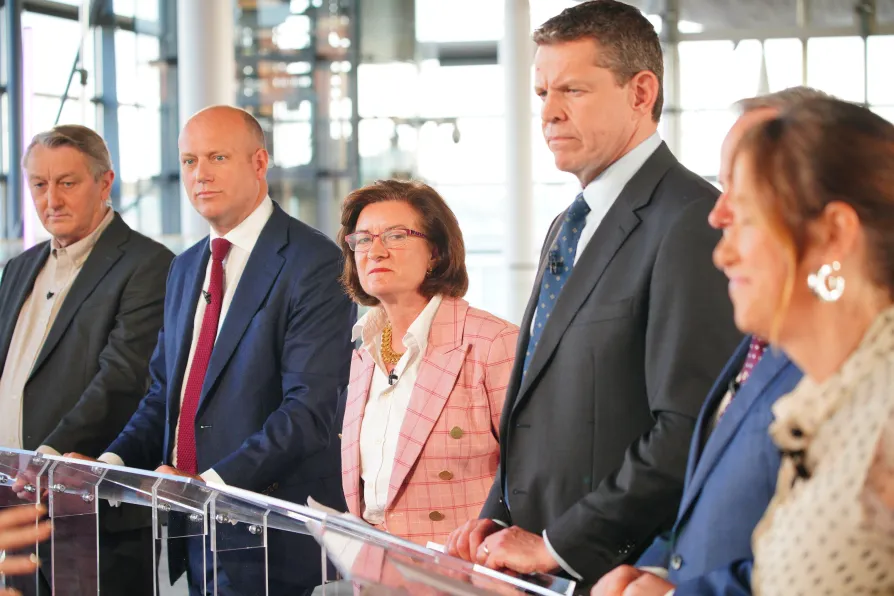
The election offers a critical chance to shape the future of pay, care and community provision in Wales, says Unison’s JESS TURNER

Comments from Matt Goodwin and Danny Kruger expose a reactionary vision in which falling birth rates are blamed on women, says JUDITH CAZORLA
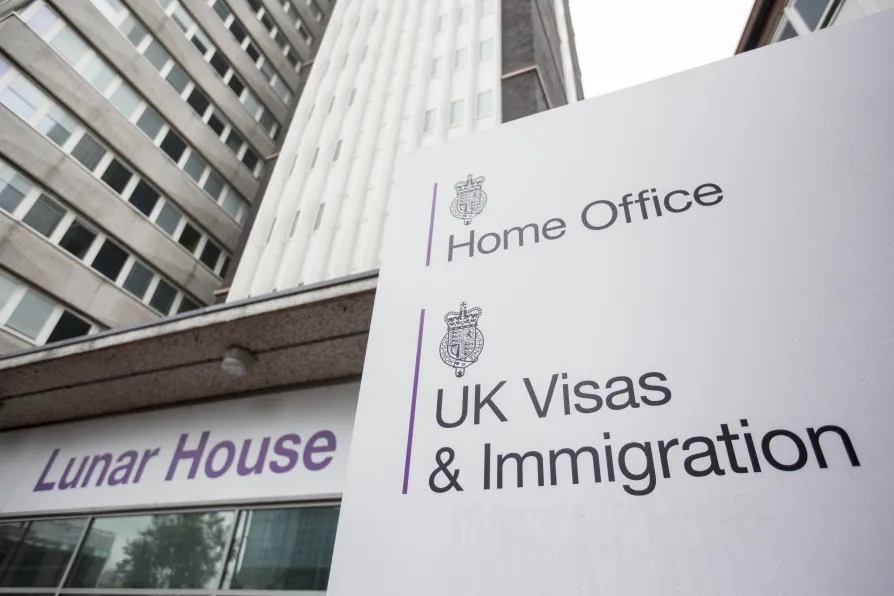
The visa system traps workers with abusive employers, creating a vulnerable workforce scared to complain for fear of deportation — that is why we’re campaigning for a ‘common sponsorship’ model instead, writes FAVOUR DAVIDKING