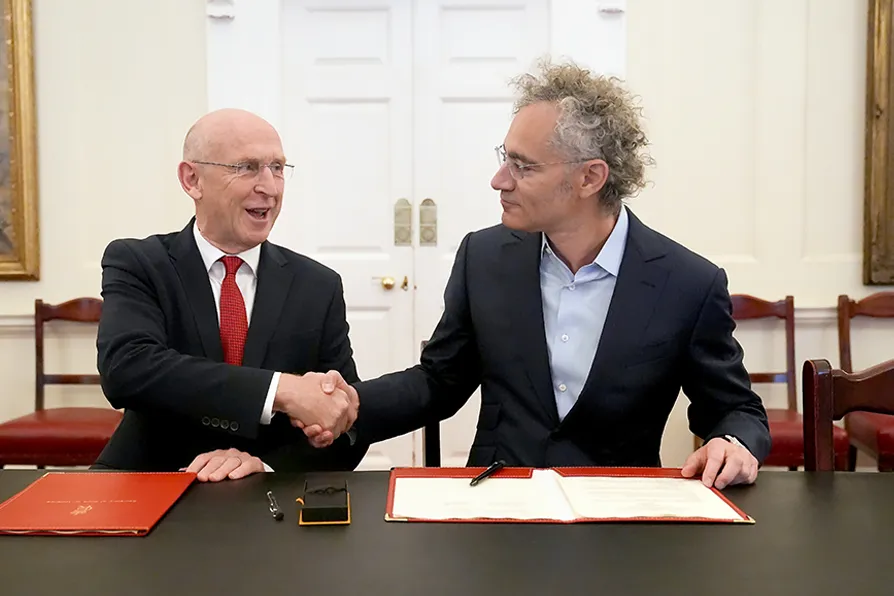
The greatest threat to democracy may no longer come from political parties but from unelected tech oligarchs like Peter Thiel and his powerful Silicon Valley network, argues JOHN GREEN


 Latest editorial
Who is the West backing in Libya?
IAN SINCLAIR reminds us of the terrible situation in Libya and the West’s backing of a potential war criminal
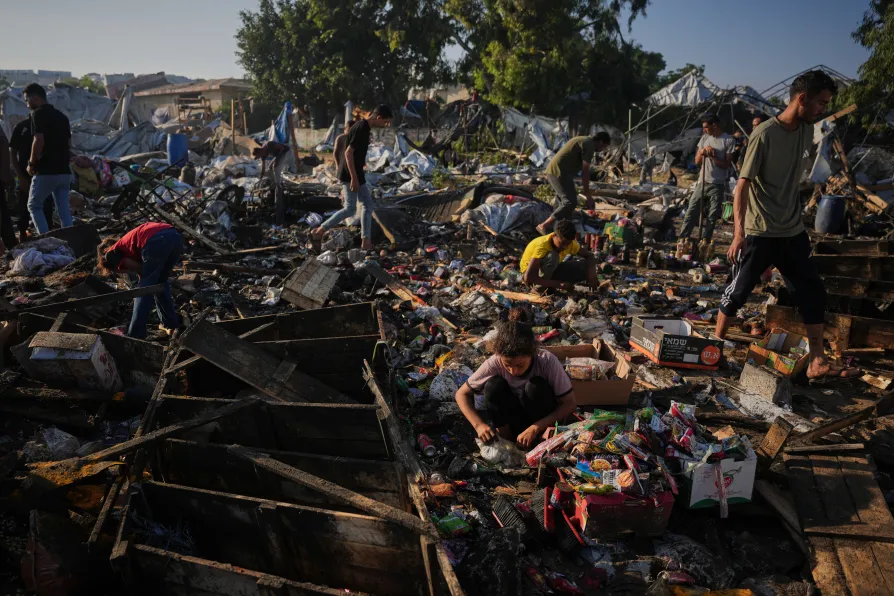
Today’s interconnected conflicts are enriching the arms industry while pushing the entire world towards permanent militarisation, argues ROGER McKENZIE
by Nana Backland, Merseyside Morning Star Readers & Supporters Group
The government’s Pip review looks like a carefully managed exercise in legitimising future cuts to disability support, argues Dr DYLAN MURPHY
The Tories introduced the 50% strike ballot threshold to make industrial action harder. MATT WRACK argues that a Labour government has no justification for leaving it on the statute book


Britain joined the Nato military intervention in Libya “to uphold the will of the United Nations security council,” former prime minister David Cameron told the House of Commons on the eve of the war.
Six years on and the British government continues to cite the authority of the UN to justify its actions in Libya, with the Foreign Office noting last month that Foreign Secretary Boris Johnson had visited Tripoli “to discuss what more the UK can do to support the [UN-backed] government of National Accord (GNA) and the UN-led political process to help stabilise Libya.”
A bit of background. There are currently two rival power centres competing for legitimacy and control in Libya — the GNA, led by Fayez al-Sarraj, and a rival authority in the east of the country under the control of General Khalifa Haftar’s Libyan National Army (LNA).

Similar stories
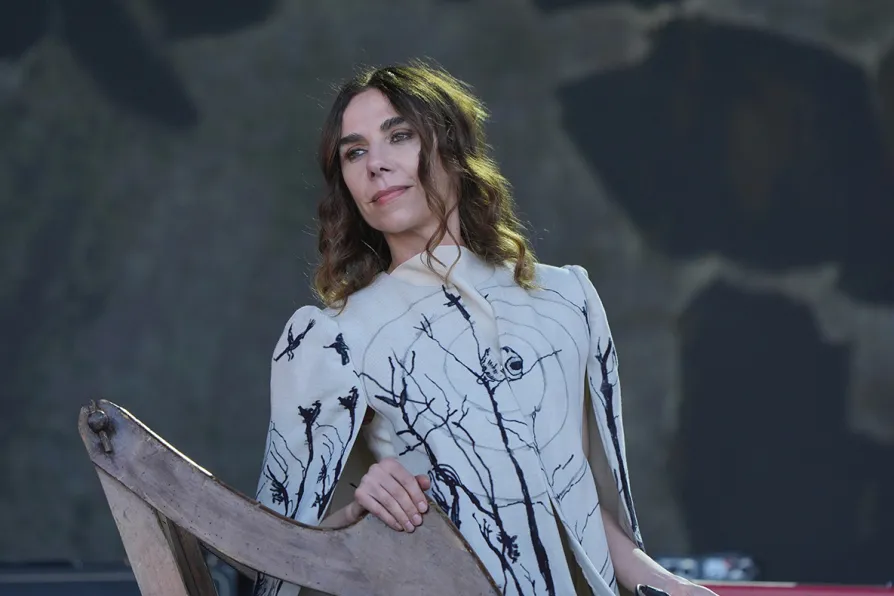
IAN SINCLAIR examines the curious memory lapses across liberal media when it comes to British government crimes

As the government quietly upgrades the role of Britain’s special forces, their growing global footprint and near-total exemption from democratic oversight should alarm us all, says ROGER McKENZIE
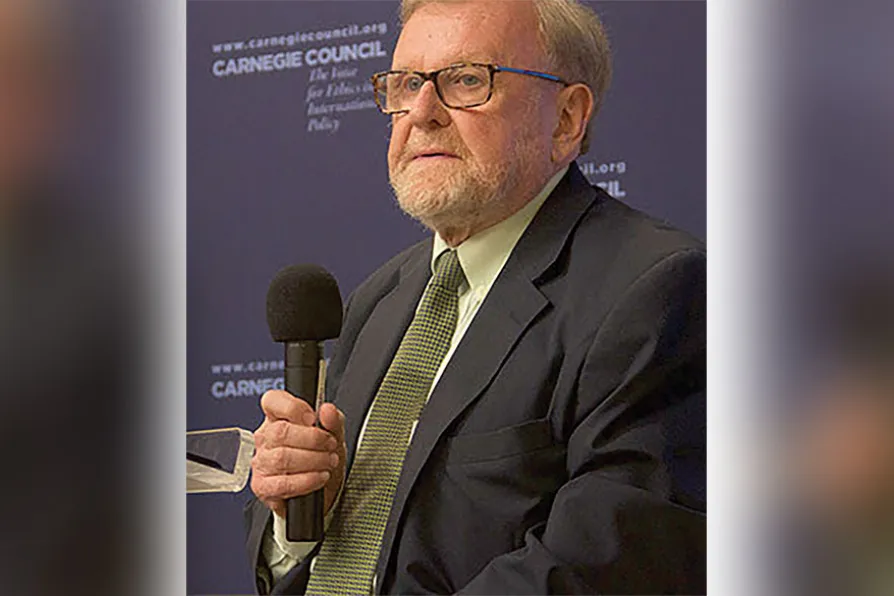
On January 2 2014, PJ Harvey used her turn as guest editor of the Today programme to expose the realities of war, arms dealing and media complicity. The fury that followed showed how rare – and how threatening – such honesty is within Britain’s most Establishment broadcaster, says IAN SINCLAIR
Kenny MacAskill remembers a ‘Sovietologist’ and voice for peace and reconciliation at the Carnegie Council for Ethics in International Affairs