The Tories introduced the 50% strike ballot threshold to make industrial action harder. MATT WRACK argues that a Labour government has no justification for leaving it on the statute book


 Latest editorial
A man of mettle
The fourth extract from PHIL KATZ's book looks at Tom Mann's role in the Merseyside transport strike of 1911
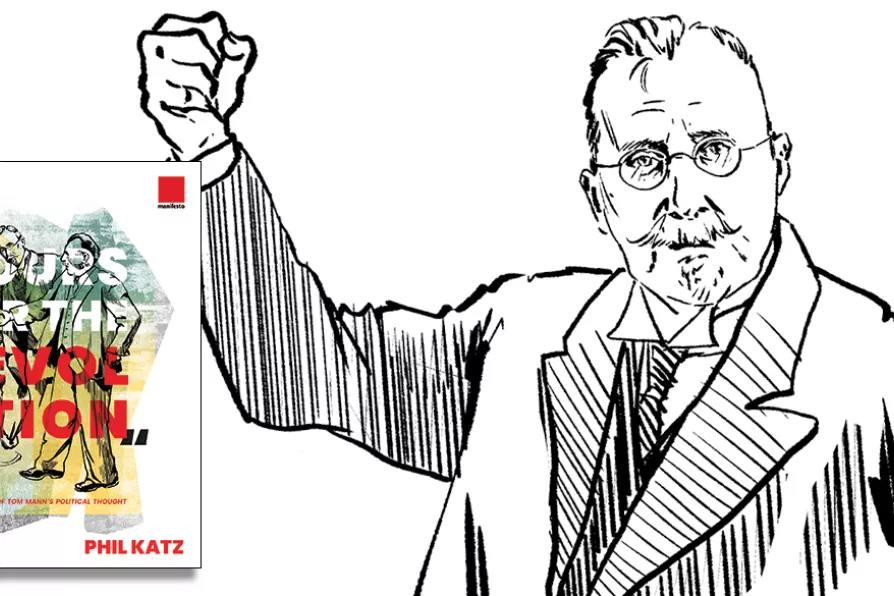 Tom Mann, illustration: CORATA GROUP

In the wake of Ann Widdecombe’s murder, JOHN GREEN wonders whether the government will really get to grips with the root cause of these attacks on our MPs
The new PM’s opening addresses offered hope, council homes and reform — but little detail on how any of it will be delivered, warns CLAUDIA WEBBE
Despite the screeching from the right-wing media, Burnham’s speech chimed with the public mood - and socialists should take advantage, says Morning Star editor BEN CHACKO
Scotland's Labour leader cannot continue to evade responsibility for the party's decline, argues LAUREN HARPER
Nature as well as society works dialectically, asserts the Marx Memorial Library and Workers’ School


THE period between 1906 and World War I (WWI) was increasingly volatile as new groups of workers asserted themselves as trade unionists. The “Great Unrest” also coincided with a constitutional crisis in 1910, agitation for home rule in Ireland, and the emergence of a suffragette movement.
Between June and August 1911, Tom Mann was involved in strikes that developed into a movement in north-west England. On June 9, a national seamen’s strike sparked The 1911 Liverpool Transport Workers’ strike. Mann chaired its central strike committee.
The strike lasted for 72 days, during which the press referred to him as the “Dictator of Merseyside,” as if it was he who had dispatched troops and a gunboat to quell citizens lawfully conducting their rights. Though indeed, not even the Royal Mail delivered unless the central strike committee, led by Mann, gave its authorisation.

Similar stories
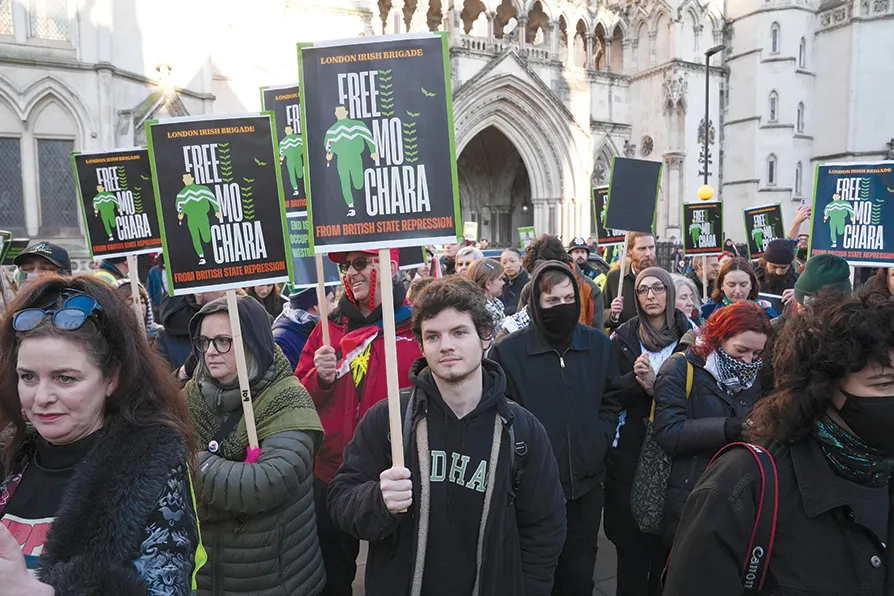
AARON SMITH discusses why the Protestant diaspora are still part of Yeats’s ‘Indomitable Irishry’, and an integral part of any future united Ireland.

In part IV of a serialisation of his new book, JOHN McINALLY tells how austerity minister Francis Maude’s attempt to destroy the PCS Civil Service union totally backfired

In part II of a serialisation of his new book, JOHN McINALLY explores how witch-hunting drives took hold in the Civil Service as the cold war emerged in the wake of WWII
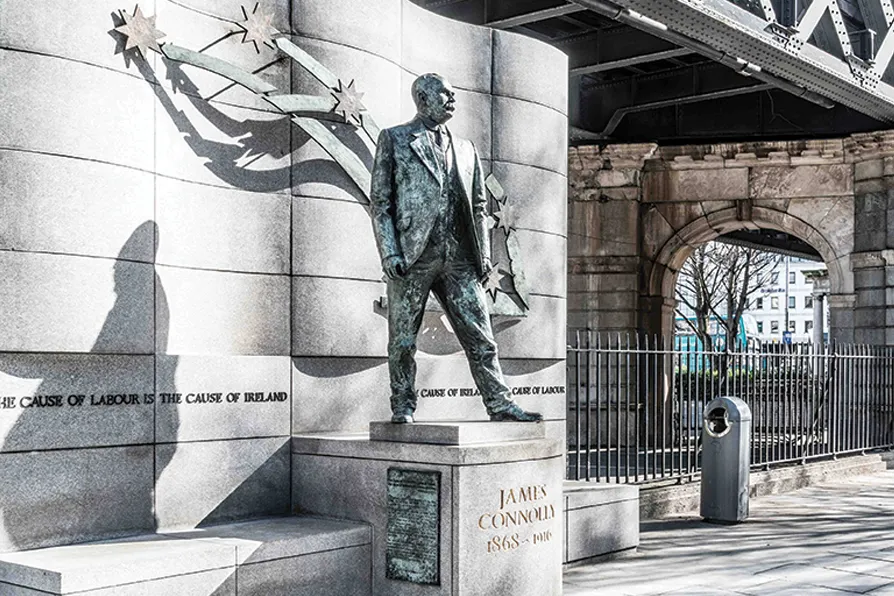
A new group within the NEU is preparing the labour movement for a conversation on Irish unity by arguing that true liberation must be rooted in working-class solidarity and anti-sectarianism, writes ROBERT POOLE