MARIA DUARTE and MICHAL BONCZA review Virginia Woolf’s Night & Day, Familiar Touch, Nino, and Toy Story 5


 Latest editorial
New context for Orwell’s satire
Animal Farm has been translated into Shona. TINASHE MUSHAKAVANHU explains why a group of Zimbabwean writers undertook the task
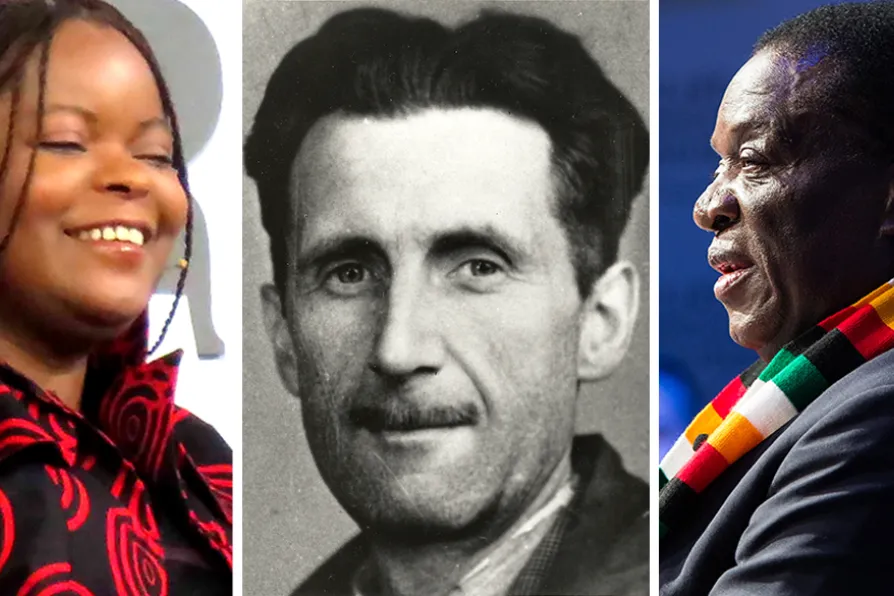 LITERATURE AND POLITICS: (L to R) Petina Gappah, George Orwell and Emmerson Mnangagwa
[(L to R) Smalltown Boy/CC - NUJ Public domain - World Economic Forum/flickr/CC]
LITERATURE AND POLITICS: (L to R) Petina Gappah, George Orwell and Emmerson Mnangagwa
[(L to R) Smalltown Boy/CC - NUJ Public domain - World Economic Forum/flickr/CC]
MATTHEW HAWKINS explores the initiatives proposed by HEALING ARTS SCOTLAND
ALEX HALL welcomes an analysis of how modern capitalism is deeply intertwined with emotions, and their manipulation
MARTIN GRAHAM welcomes a statistical analysis of how much tax the super-rich pay, and foresees that the demand will flush out their agents
RICHARD WORTH relishes the fleeting moment and sense of flow of the late, great saxophonist
DENNIS BROE notes the thin, unfunny and apolitical quality of the gruel dished up by the US networks and studios for mass consumption
BARBARA BOSWELL remembers South African poet, storyteller, publisher, editor and activist Diana Ferrus (1953-2026)


SINCE independence in 1980, Zimbabwe has in some ways become like Animal Farm. Like the pigs in the classic 1945 novel by English writer George Orwell, the country’s post-liberation leaders have hijacked a revolution that was once rooted in righteous outrage. In Zimbabwe, the revolution was against colonialism and its practices of extraction and exploitation.
The lead characters in Animal Farm have the propensity for evil and the greed for power found in despots throughout history, including former Zimbabwe president Robert Mugabe. Zimbabwe’s leaders have also acted for personal gain. They remain in power with no accountability to the suffering of the people they claim to represent.
Animal Farm’s relevance is echoed in celebrated young Zimbabwean author NoViolet Bulawayo’s recent novel Glory. Her satirical take on Zimbabwe’s 2017 coup and the fall of Mugabe is also narrated through animals. And visual artist Admire Kamudzengerere founded the Animal Farm Artist Residency in Chitungwiza as a space for creative experimentation.

Similar stories
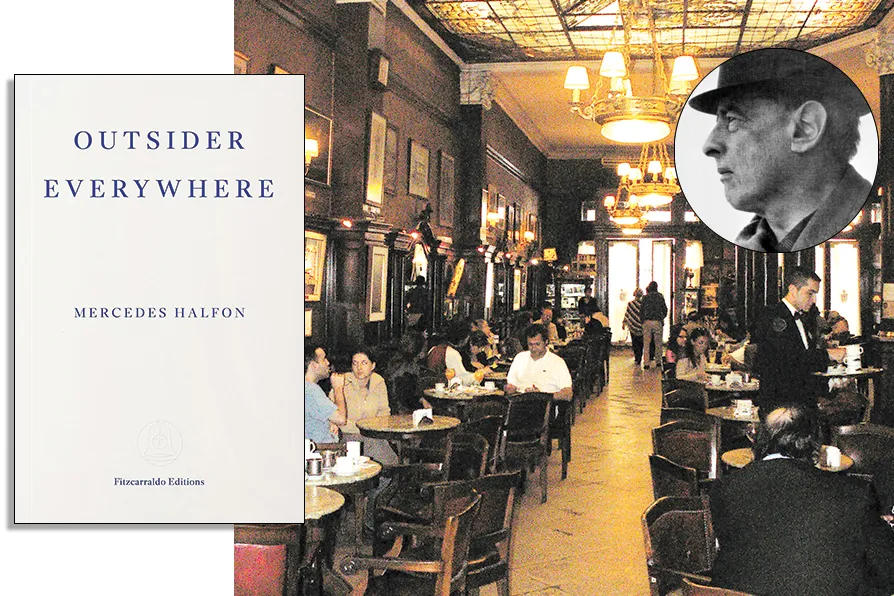
CHRIS MOSS joins the hunt in Argentina for the works of Poland’s most enigmatic exile
JULIA THOMAS unpicks the mental processes that explain why book-to-film adaptations so often disappoint

MATTHEW HAWKINS applauds a psychotherapist’s dissection of William Blake
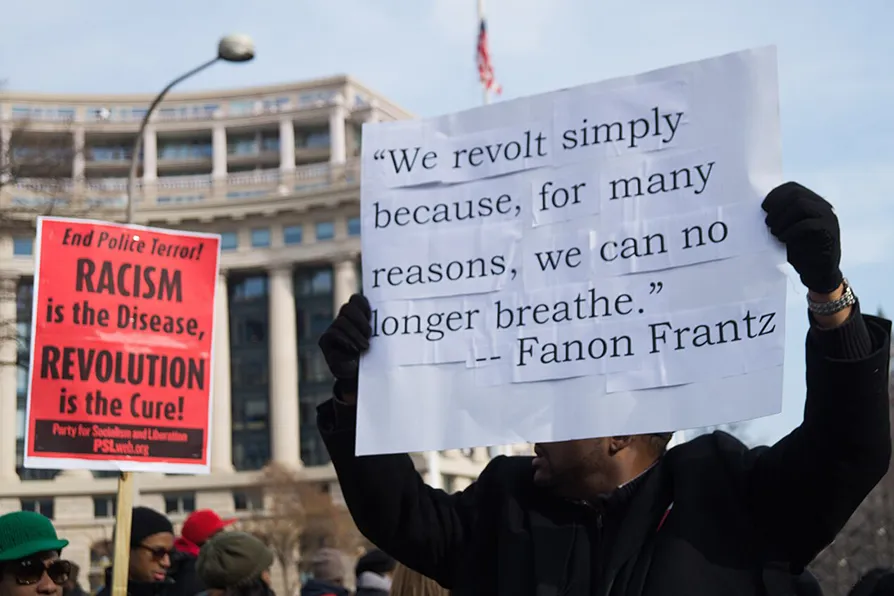
On the centenary of the birth of the anti-colonial thinker and activist Frantz Fanon, JENNY FARRELL assesses his enduring influence