

 Latest editorial
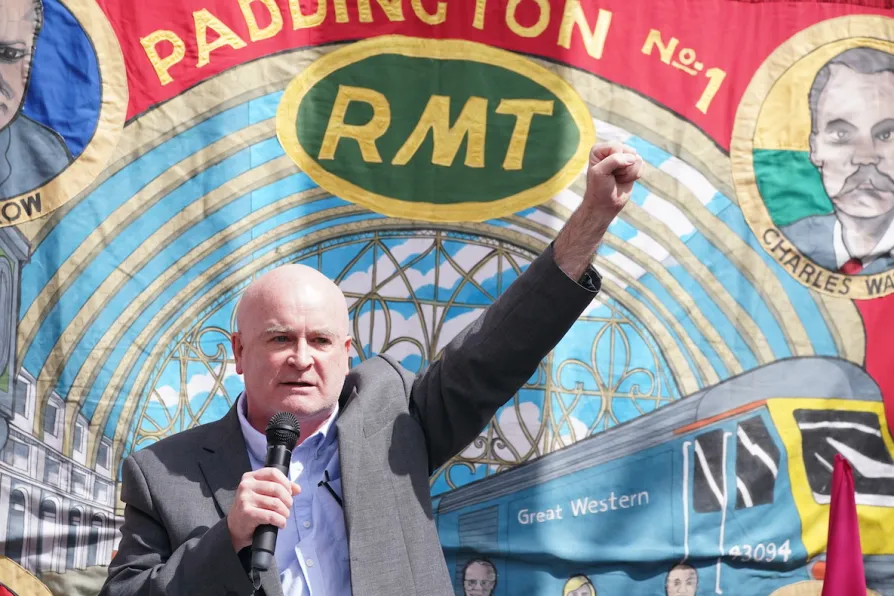 RMT general secretary, Mick Lynch speaking at a rally outside King's Cross Station in London last summer.


BRITAIN may be heading for a second “hot strike summer” in a row as the Tories continue to insult workers with real-terms pay cuts.
An unprecedented show of unity by teaching unions at the National Association of Head Teachers conference in Telford threatens co-ordinated strikes across the education sector.
Unite members’ rejection of the NHS pay offer follows that of the Royal College of Nursing, whose members are more likely to renew their union’s mandate for further strikes given the government’s crass resort to the courts to cut short their action this weekend.
Given ministers’ failure even to negotiate with junior doctors on their demand for a restorative pay award, this means industrial action in the NHS is set to keep escalating, despite ministers’ self-congratulation when health unions agreed to put their latest offer to members back in March.
Transport workers are also refusing to be cowed. RMT has announced another 24-hour railway strike on May 13 and is reballoting workers at 14 rail operators after accusing Rail Delivery Group of “torpedoing” talks by reneging on parts of its original offer — something general secretary Mick Lynch attributes to “pressure exerted on them by the Tory government.”
Train drivers’ union Aslef has also just spat out a “risible” pay offer from 16 train companies with which it is in dispute and announced a string of new strike dates, including on May 12.
Civil servants took national strike action yesterday at dozens of government departments including the biggest employers like HM Revenue and Customs and the Department for Work and Pensions, furious that even the limited improvements ministers have made to offers across the rest of the public sector are being denied to their own workforce.
And as with health and education, the anger here resounds from the entire sector, from top to bottom.
It is quite something for the government to have pushed head teachers to the point where they are balloting for strike action. Even more remarkable that civil servants at the most senior managerial ranks, organised in the FDA, are doing so too.
This whole-workforce resistance poses a serious problem for the government. How can it implement policy when it has affronted the people tasked with carrying it out?
The hostility reflects the cumulative impact of Tory cuts over 13 years. The consequences for increasingly dysfunctional public services are obvious to everyone.
It underlines the depth of the crisis in Britain’s economy, with runaway inflation combining with years of pay cuts to inflict pain even on those on incomes regarded as comfortable until recently.
Though Tory mismanagement and arrogance — the poisonous behaviour of ministers like Dominic Raab will have contributed to the alienation of top civil servants — have played their part, there are longer-term processes at work.
The extreme accumulation of wealth by a smaller and smaller minority — a process that is still accelerating, given the super-profits energy and food tycoons are squeezing out of supply chain disruption — renders traditional gradations among the workforce less relevant by comparison with the staggering fortunes of the class that owns rather than earns.
This could be fertile ground for significant expansion of the labour movement. Co-ordinated action around community hubs such as schools and hospitals have already demonstrated their ability to mobilise public support.
Harnessing devolved administrations and local government into a union-led campaign to derail the Tory attacks on the right to strike, as the Fire Brigades Union now suggests, would raise the profile of our movement as the first line of defence for democracy and civil rights — and expose politicians of any party who hope to benefit from the Conservatives’ collapse without walking the walk with struggling workers.
As May Day events get under way this weekend, we cannot underestimate the challenges our movement faces — but neither should we limit our ambition. With the right strategy, 2023 can be a turning point.

LUKE FLETCHER outlines Plaid Cymru bold plans for wide-ranging policy consultations with trade unions in Wales
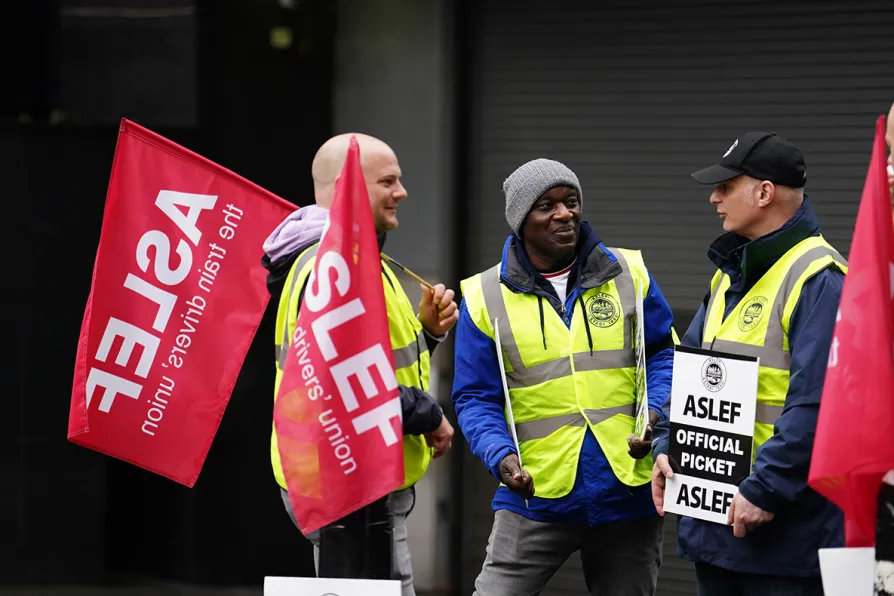
On the eve of the 157th Trades Union Congress, MICK WHELAN, general secretary of Aslef, the train drivers’ union, celebrates victory in his campaign to get dignity for drivers at work
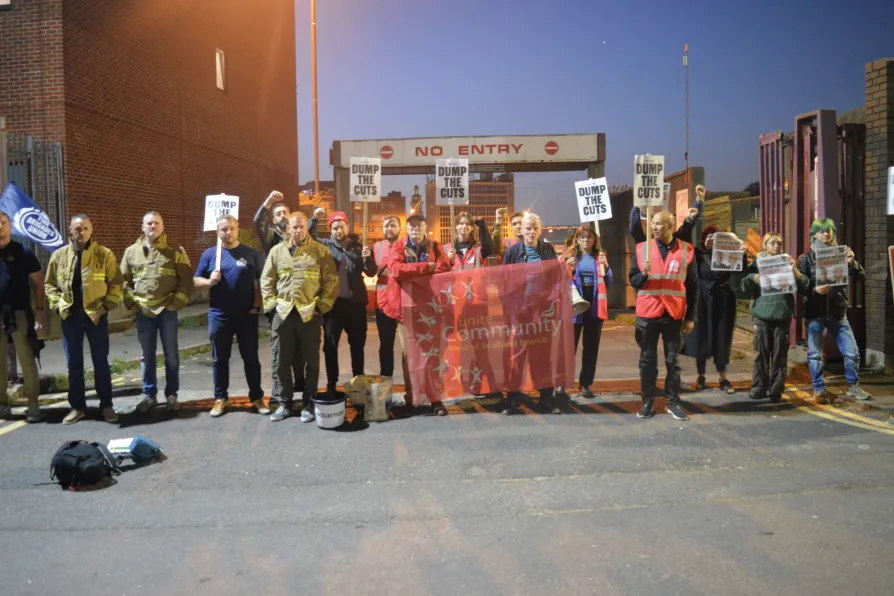
Since 2023, Strike Map has evolved from digital mapping at a national level to organising ‘mega pickets’ — we believe that mass solidarity with localised disputes prepares the ground for future national action, writes HENRY FOWLER

Government urged ‘to tackle the root causes’ of the NHS crisis and improve ‘social care services’