The Tories introduced the 50% strike ballot threshold to make industrial action harder. MATT WRACK argues that a Labour government has no justification for leaving it on the statute book


 Latest editorial
Remembering the great postal workers’ strike of 1971
On National Postal Workers’ Day, former postie DAVE CHAPPLE recalls a massive strike 50 years ago – and asks why, after six weeks of pickets and rallies, it was finally defeated
 Postal workerse in 1971
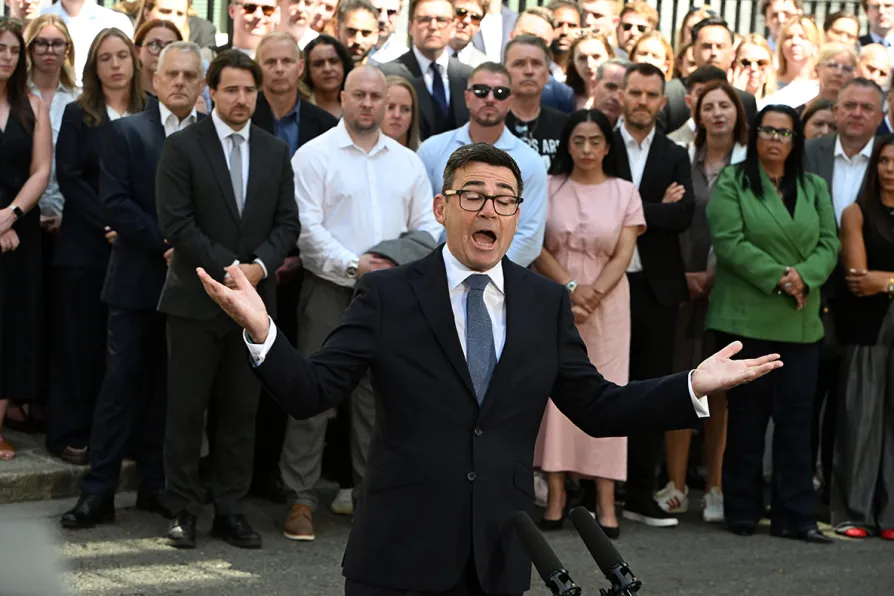
In the wake of Ann Widdecombe’s murder, JOHN GREEN wonders whether the government will really get to grips with the root cause of these attacks on our MPs
The new PM’s opening addresses offered hope, council homes and reform — but little detail on how any of it will be delivered, warns CLAUDIA WEBBE
Despite the screeching from the right-wing media, Burnham’s speech chimed with the public mood - and socialists should take advantage, says Morning Star editor BEN CHACKO
Scotland's Labour leader cannot continue to evade responsibility for the party's decline, argues LAUREN HARPER
Nature as well as society works dialectically, asserts the Marx Memorial Library and Workers’ School


FEBRUARY 15 1971 was United Kingdom Decimalisation Day: no longer were there 12 pennies to a shilling, half-crowns or 240 pennies to the pound.
That day, 50 years ago, was also just over halfway through the greatest strike this country had seen since the General Strike of 1926: the 44-day national strike of 200,000 Post Office workers.
Telegraphists, telephonists, Post Office counter clerks, cleaners, postmen (170,000 of them!) and PHGs (postmen higher grade), members of the Union of Post Office Workers (UPW), struck for their claim of 15 per cent, or £3 a week for lower-paid grades such as cleaners.

Similar stories

The General Strike exposed the power of the working class — and the limits of its leadership, writes Dr DYLAN MURPHY
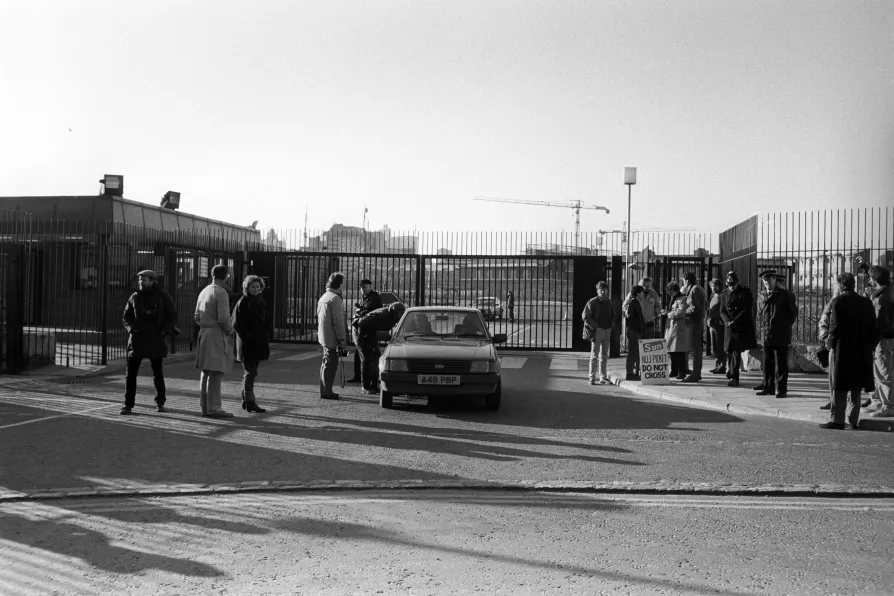
JOHN LANG recalls how Murdoch used scabbing electricians and even devised a fake newspaper to force a confrontation with printers – then sacked them all
In the final part of a serialisation of his new book, JOHN McINALLY explains how in 2018, after years spent rebuilding the PCS into a leading force against austerity, a damaging rupture emerged from within the union’s own left wing

In part II of a serialisation of his new book, JOHN McINALLY explores how witch-hunting drives took hold in the Civil Service as the cold war emerged in the wake of WWII