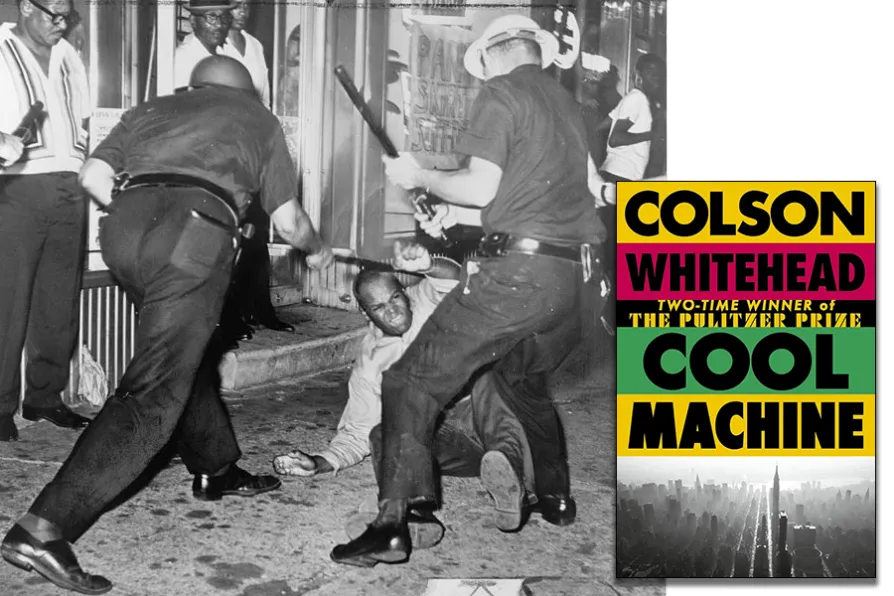
DOUGLAS FIELD relishes the hard-boiled language, satire and humour of the third and last of the Harlem trilogy


 Latest editorial
RSC Chekov misses the music
GORDON PARSONS appreciates fine performances and a feel for ambiguity, but misses the music of the dialogue
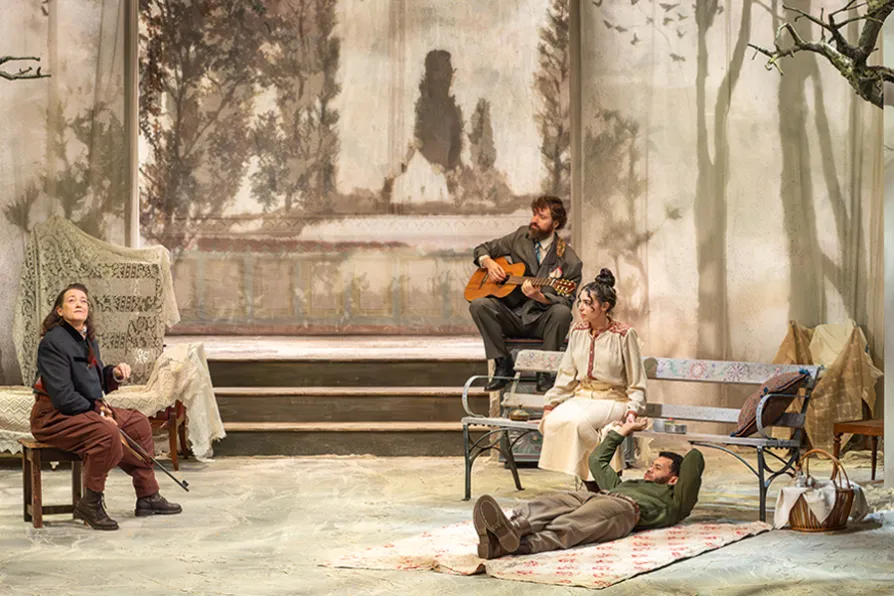 ELUSIVE ESSENCE MISSING: Sophie Stone as Sharlotta, Andy Rush as Yepikhodov, Amber Gadd as Dunyasha and Julian Moore-Cook as Yasha in The Cherry Orchard [Pic: Johan Persson]
STEPHANIE BROWN draws attention to the hidden labour of the female embroiderers, and how a 19th century replica made no such error
MIK SABIERS revels in a band that ploughs an idiosyncratic furrow of expletive laden, guitar-driven alt rock
ANDY HEDGECOCK, MARIA DUARTE and ANGUS REID review Synthetic Sincerity, Our Hero, Balthazar, Heartstopper Forever, and A Year In London
The bard invites readers to a gig, raps for Clacton, and lays out the Burnham-Hurzeler conundrum
RON JACOBS recommends an important book that enhances the oppositional theories put forth by Fanon and, in doing so, remakes psychology itself


The Cherry Orchard
The Swan Theatre, Stratford-upon-Avon
⭑⭑⭑☆☆
IT is 31 years since the RSC last produced Anton Chekhov’s The Cherry Orchard. Recognised as one of the world’s greatest plays it is essentially of its time, 1904 Russia, yet it has resonated for all audiences since. Consequently, many leading theatre directors have attempted to capture its elusive essence.
Although costumes nod towards place and time, there is no samovar in sight in Tamara Harvey’s production of Laura Wade’s new version, which reaches for the ambiguities at the play’s core.
Stanislavski, The Cherry Orchard’s first director, saw the play as a tragedy, while Chekhov insisted it was a comedy. This ambiguity is one of many.
Are we to see Ranyevskaya — returning from Paris to her family, friends and servants on her insolvent estate — sympathetically, or are they puppets of fate?
Harvey skilfully steers a middle course, giving full weight to comedy, that verges on farce, as when Ranyevskaya’s brother address a sentimental encomium to a bookshelf.
The central tension within the play is related to the fate of the time-honoured cherry orchard. Lopakhin, the son of an estate serf, now a wealthy businessman, offers Ranyevskaya a way out. He will lend her the money to replace the orchard with accommodation for tourists. She is impervious to his well-intentioned help, unable to lose her bonds to her past.
Like every character in Chekhov’s play, Helen Hunt’s Ranyevskaya is trapped either in the past, hers tragically marked by the earlier accidental drowning of her young son, or in hopes for an unattainable future.
Kenneth Branagh’s Lopakhin represents the reality of that future with a virile energy enhanced by a Northern Irish accent, while Alfred Enoch’s Trofimov, the perennial student, envisages a Utopian world of freedom. Harvey recognises that Chekhov is not about prediction but about the actuality of human experience.
There are so many fine performances among a large cast but moments are its supreme achievement: Guy Henry’s Pishchik as the perennial cadger, swallowing Ranyevskaya’s pills while assuring her that they were useless; Andy Rush’s Yepikhodov consistently demonstrating his nickname, Twenty-Two Calamities; and of course Michael Elwyn’s Firs, the ancient devoted manservant left behind in the deserted house when all have left, complaining that his master will have forgotten to put on his fur coat.
There are also moments that are very non-Chekhovian, such as when Julian Moore-Cook’s predatory young servant, Yasha, seizes the chance of a bout of cunnilingus with the doting housemaid, Amber Gadd’s Dunyasha.
What this interesting production lacks are the modulation, the varying cadencies, that constitute the music of the dialogue. The places where characters never communicate meaning to one another although we, the audience, understand.
Runs until August 29. Box office: 01789 331-111, rsc.org.uk.

Similar stories
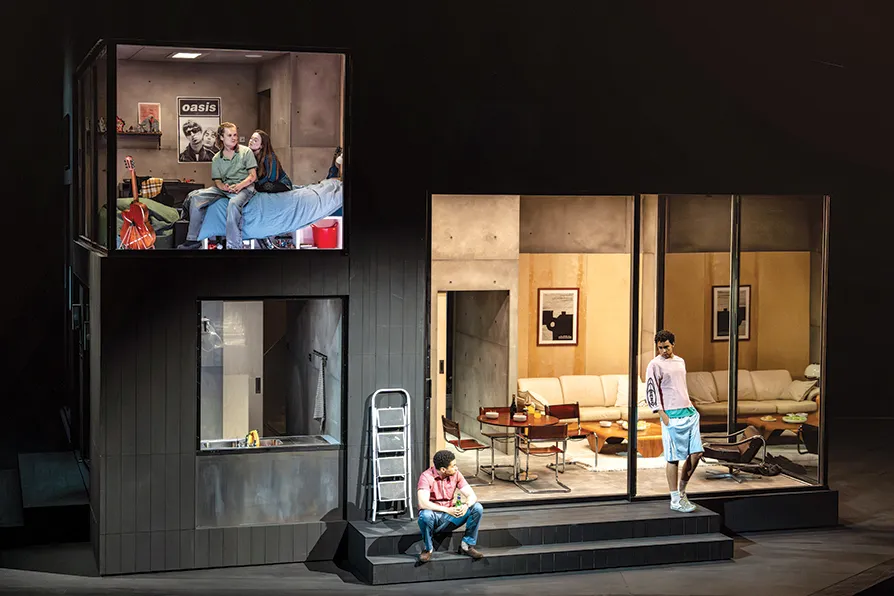
KEITH RICHMOND relishes a superbly conceived modern version of Aeschylus’ drama of murderous family succession
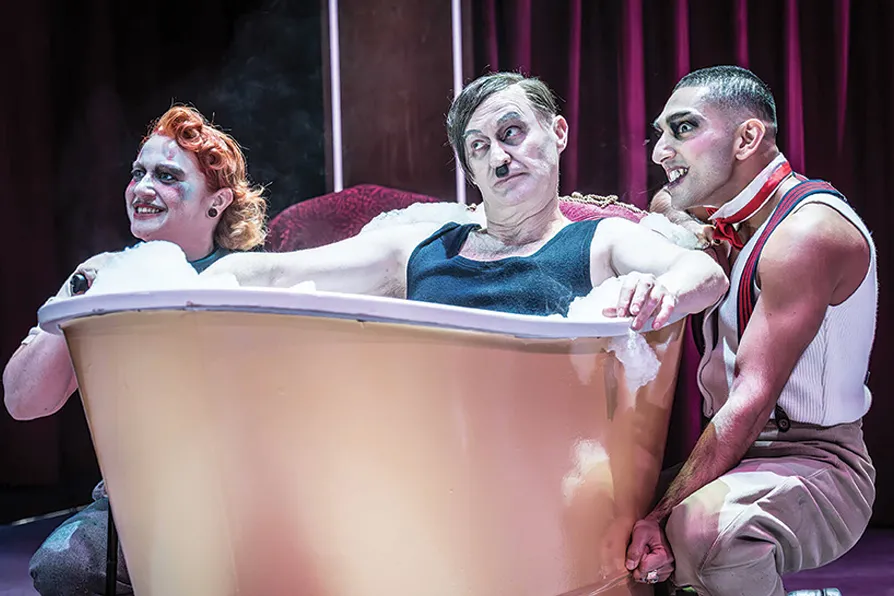
GORDON PARSONS salutes the apt return of Brecht’s vaudevillian cartoon drama that retains the vitality of the boxing or the circus ring
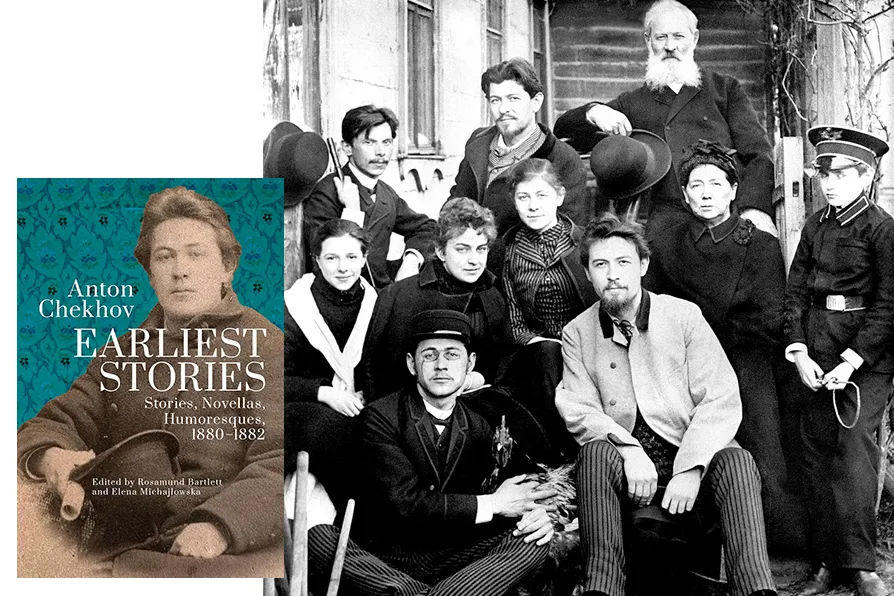
KEN COCKBURN guides us through a survey of Chekov’s early short fiction, and the groundwork it laid for his later masterpieces
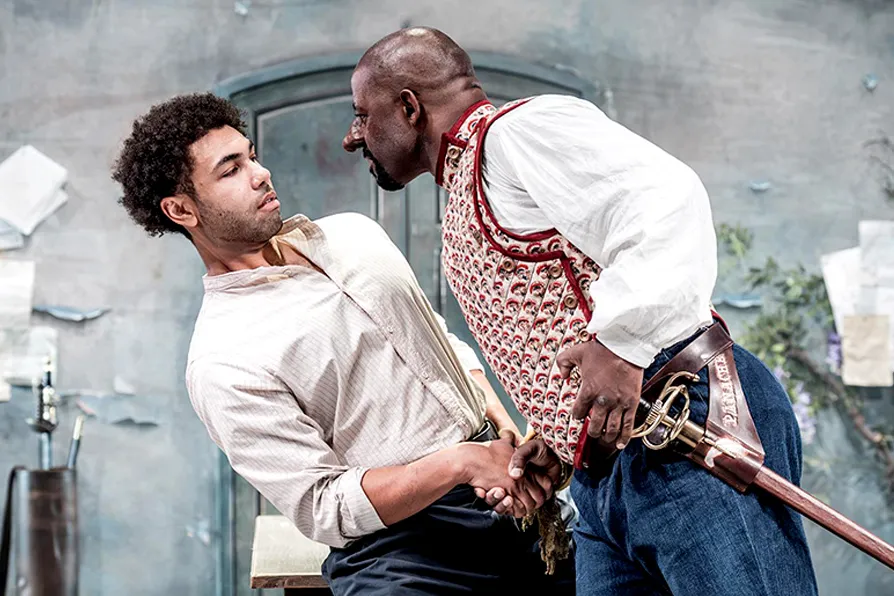
GORDON PARSONS is blown away by a superb production of Rostand’s comedy of verbal panache and swordmanship